

In the ongoing saga of the Ukraine-Russia conflict, a familiar yet ever-fragile hope for de-escalation has re-emerged with renewed calls for peace talks. As July 2025 draws to a close, a fresh push for diplomatic engagement is underway, shadowed by the relentless pace of hostilities and the deeply entrenched positions that have thus far thwarted any meaningful resolution. The latest developments suggest a tentative willingness from both Kyiv and Moscow to revisit the negotiating table, spurred in part by mounting international pressure and the devastating human cost of the protracted war.
The Latest Diplomatic Push
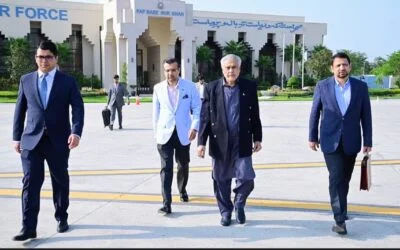
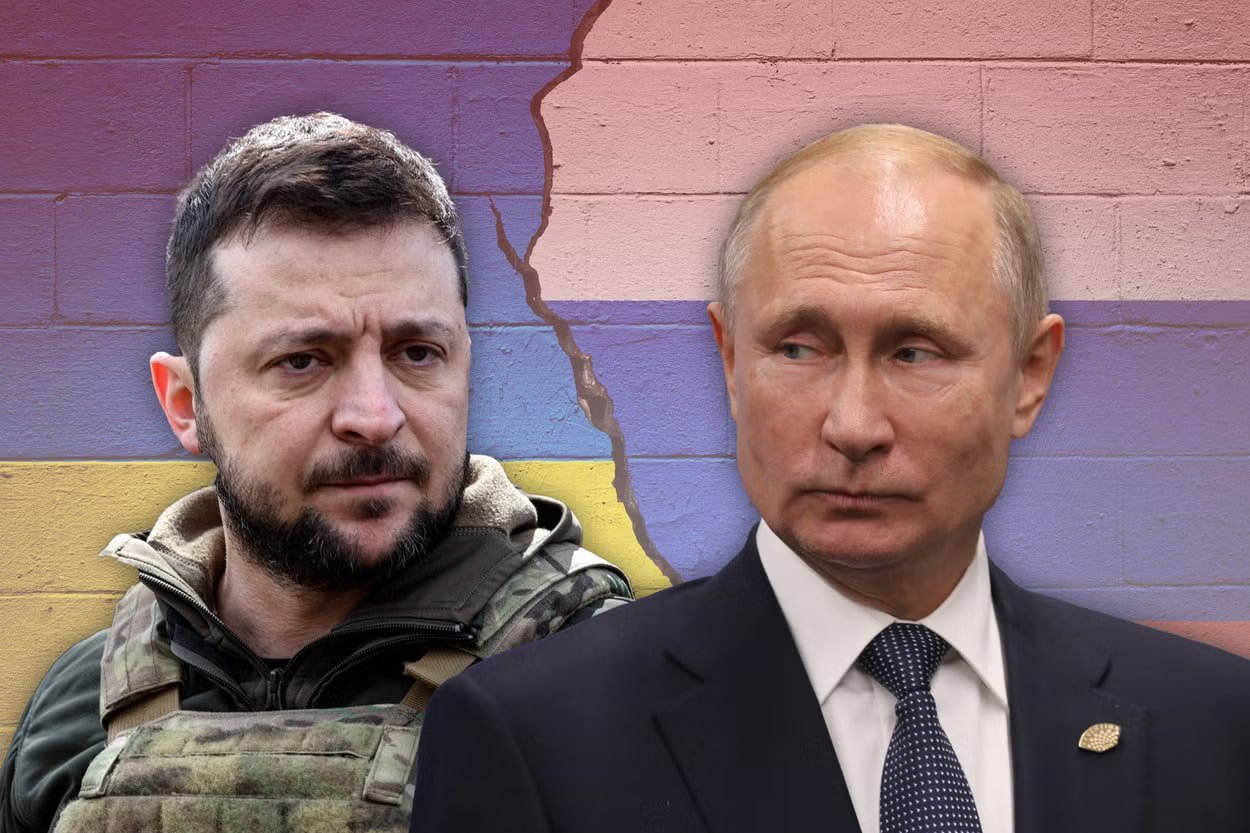
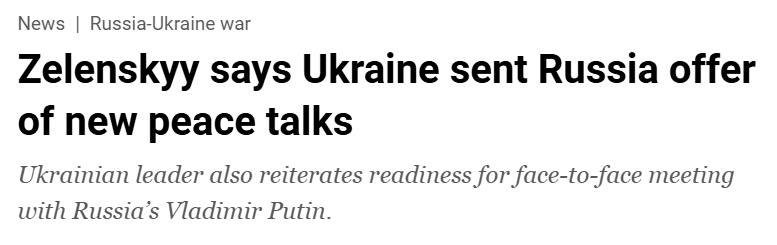
Ukrainian President Volodymyr Zelenskyy recently confirmed that Kyiv has proposed a new round of peace talks with Russia. On Saturday, July 19, Zelenskyy announced that Rustem Umerov, Secretary of the National Security and Defense Council, had extended an offer for a meeting with Russian negotiators in the coming week.
Source: Al Jazeera
Zelenskyy reiterated his long-standing readiness for a direct, face-to-face meeting with Russian President Vladimir Putin, emphasizing that “a meeting at the leadership level is needed to truly ensure peace – lasting peace” as reported by Al Jazeera. His call for renewed dialogue underscores Ukraine’s desire for a ceasefire, prisoner exchanges, the return of abducted children, and an end to the killings.
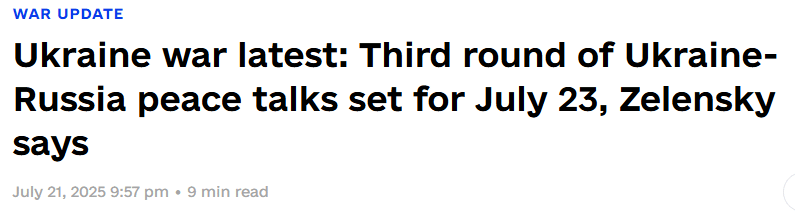
Following this overture, sources indicate that a third round of direct talks between Ukrainian and Russian delegations is reportedly set for Wednesday, July 23, 2025, in Istanbul, Turkey according to The Kyiv Independent. These discussions would follow two earlier rounds held in Istanbul in May and June, which primarily yielded limited agreements on prisoner exchanges and the repatriation of fallen soldiers’ bodies, but made little significant progress towards a comprehensive ceasefire. Turkey has consistently positioned itself as a mediator, with efforts ongoing to lay the groundwork for a broader peace, potentially even a high-level summit involving Presidents Erdoğan, Trump, Putin, and Zelenskyy as analysed by Trends Research & Advisory.
Source: Kyiv Independent
Deeply Entrenched Positions
Despite the renewed diplomatic activity, the fundamental demands of both sides remain starkly opposed, forming formidable barriers to a lasting peace.
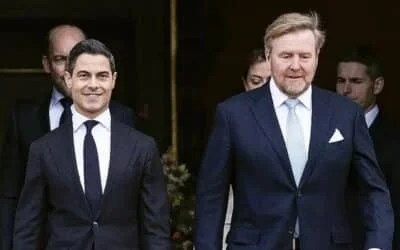
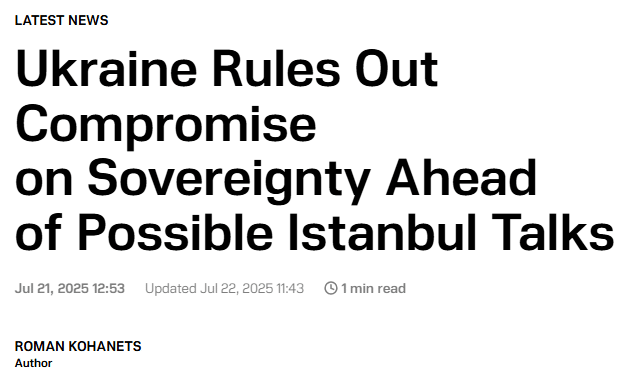
Ukraine’s Conditions for Peace are clear and non-negotiable on core principles. President Zelenskyy and other Ukrainian officials consistently demand a full withdrawal of Russian troops from all Ukrainian territories, including Crimea (annexed in 2014) and the four regions illegally annexed by Russia in September 2022. Kyiv also seeks the return of all prisoners of war and deported children, accountability for alleged war crimes committed by Russian leaders, and robust international security guarantees to prevent any future aggression. Ukrainian First Deputy Foreign Minister Sergiy Kyslytsya recently emphasized that while modalities are being discussed, there will be “no compromise on sovereignty and territorial integrity” according to UNITED24 Media.
Source: United24Media
Russia’s Demands, conversely, reflect its continued expansionist objectives. Kremlin spokesman Dmitry Peskov has reiterated that Moscow is open to peace but insists on achieving its “clear” goals, which, he stressed, “do not change” and will be achieved “on the battlefield.” These goals include Ukraine’s recognition of Russia’s illegal annexations, Ukraine’s renunciation of its bid to join NATO, and strict limitations on Ukraine’s armed forces. These demands, put forth by Russia for de-escalation, have been firmly rejected by Kyiv and its Western allies. Furthermore, Russian President Vladimir Putin has publicly declared that Russians and Ukrainians are “one people,” asserting that “all of Ukraine is ours” indicating deeply nationalistic and territorial aspirations.
External Pressures and Continued Conflict
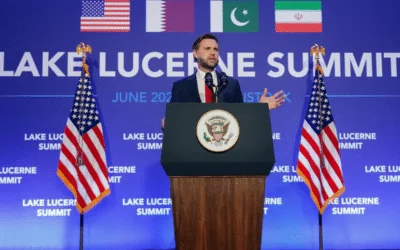
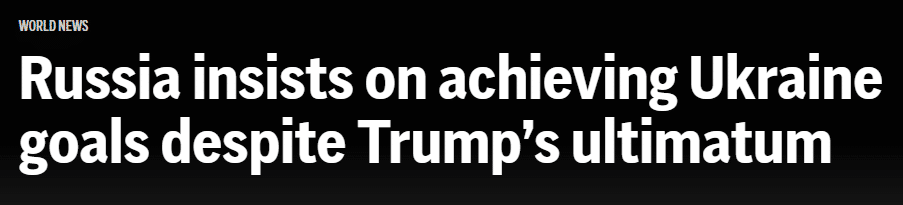
A significant new factor influencing the current diplomatic landscape is the intervention of US President Donald Trump. On July 14, Trump issued a 50-day deadline for Moscow to agree to a ceasefire in Ukraine, threatening “100 percent tariffs” and the prospect of secondary sanctions on countries that continue to buy Russian oil if a deal is not reached. This hardened stance also includes a pledge to ramp up arms shipments to Ukraine, including critical Patriot air defense systems.
Russia has swiftly rejected what it calls Washington’s “blackmail” and dismissed the sanctions ultimatum. Maria Zakharova, a spokesperson for the Russian Foreign Ministry, stated that the decision to resume weapons deliveries to Ukraine signaled Kyiv to “abandon the peace process” Al Jazeera reports. This indicates that external pressure, while intended to facilitate peace, also risks entrenching positions further if not carefully calibrated.
Source: AP
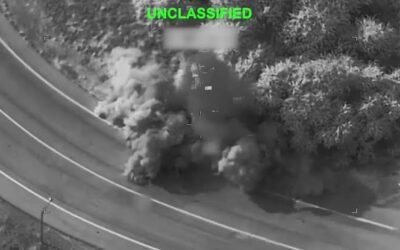
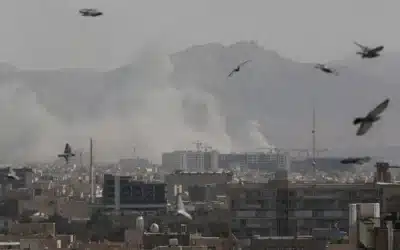
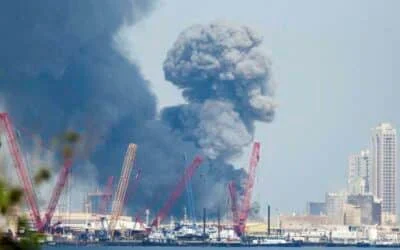
Amidst these diplomatic maneuvers, the brutal conflict on the ground continues unabated. June 2025 was reportedly the deadliest month for civilians in Ukraine since February 2022 Vatican News highlights, with ongoing massive drone and missile attacks by Russia on Ukrainian cities like Odesa and Kyiv.
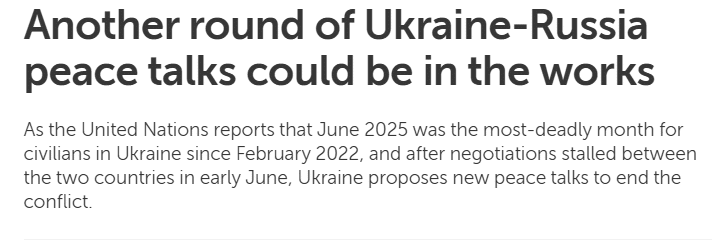
Source: Vatican News
Conversely, Ukrainian drone attacks have continued to target Russian territory. Analysis suggests Russia is significantly expanding its production of Suicidal Drones, potentially capable of launching up to 2,000 drones in a single night by November 2025, signaling an intent to intensify long-range attacks Institute for the Study of War assesses.
Analysis: How it Could Play Out and Future Implications
The prospects for a genuine breakthrough in the upcoming peace talks remain exceedingly challenging given the current geopolitical landscape and the fundamental disagreements. Here are three potential scenarios likely to play out, and their possible
Scenario 1: Limited Progress/Stalemate
The immediate talks in Istanbul are most likely to yield limited, humanitarian-focused agreements, such as further prisoner exchanges or discussions on the return of deported children. A comprehensive ceasefire or political settlement appears distant. Both sides are under pressure: Ukraine to defend its sovereignty and Western support, and Russia to maintain its territorial gains and project strength amidst US ultimatums. This scenario suggests a continuation of the “war of attrition” alongside sporadic diplomatic efforts.
Scenario 2: Escalation
If diplomatic efforts falter completely and Trump’s tariffs come into effect, Russia might react with further military escalation to demonstrate its resolve and resilience against Western pressure. This could involve increased missile and drone attacks, or even new ground offensives, aiming to achieve its “goals on the battlefield” before any forced negotiation.
Scenario 3: Breakthrough
A genuine breakthrough would require a significant shift in the strategic calculus of either Moscow or Kyiv, perhaps driven by an unforeseen battlefield development, internal political pressures, or a truly unified and impactful international mediation effort that offers credible security guarantees for Ukraine and face-saving mechanisms for Russia. Without a fundamental change in either side’s core demands regarding territory and sovereignty, a lasting peace seems improbable.
Conclusion
While the renewed willingness for Ukraine and Russia to engage in peace talks offers a flicker of hope, the path to a genuine and lasting peace remains fraught with immense obstacles. The deep chasm between their respective demands, coupled with ongoing military actions and the complex interplay of international pressures, means that any near-term resolution is likely to be partial and contingent, rather than a definitive end to this devastating conflict. The world watches, anxiously, as diplomacy contends with the relentless realities of war.