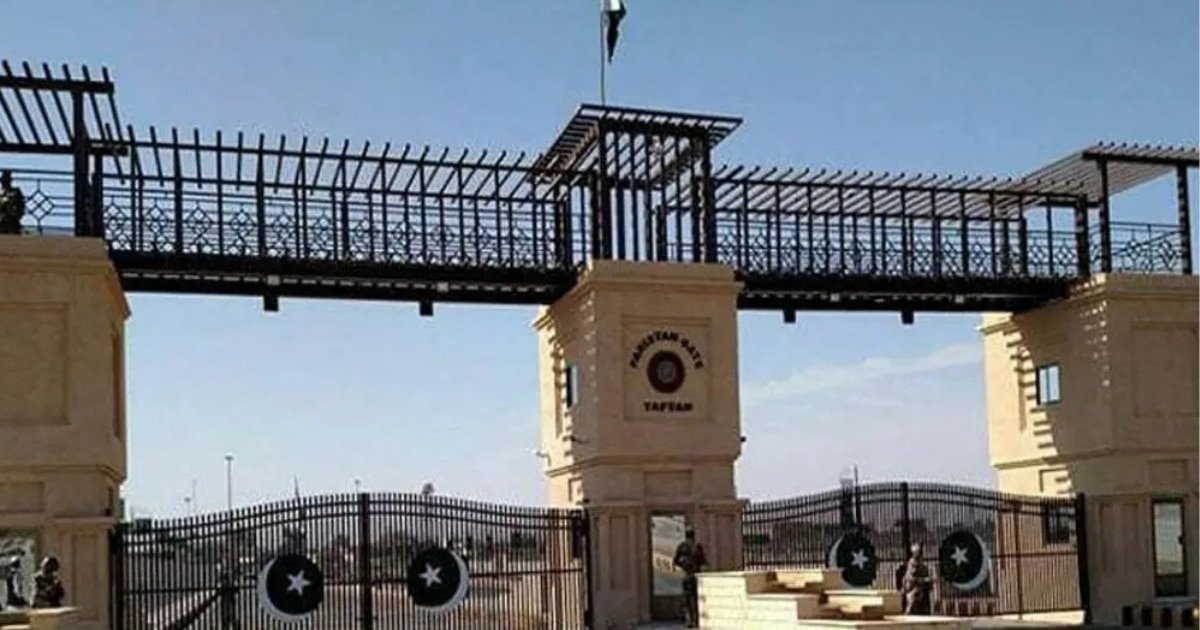





Hundreds of Pakistani traders, students, and pilgrims have begun a grueling journey across the remote Taftan border crossing into Balochistan, fleeing the escalating conflict in Iran. As of Monday, March 2, 2026, the first wave of evacuees arrived at the Mirjaveh-Taftan frontier, describing scenes of panic, massive transport bottlenecks, and the roar of missile fire over the Iranian capital.
First-Hand Accounts of Conflict
Returning citizens described a climate of fear that gripped Tehran following the initial joint U.S.-Israeli strikes on Saturday. “We were staying at a hostel near an army base and saw many missiles being fired nearby,” said Irshad Ahmed, a 49-year-old pilgrim. Others reported that while the city remained functional, the intensity of the Saturday night attacks—which resulted in the loss of “precious lives”—triggered a mass scramble toward transport terminals.
Ameer Muhammad, a 38-year-old trader, noted that the influx of foreign nationals attempting to leave at once created “major transport problems,” forcing many to wait for hours at overcrowded terminals before reaching the border.
Pakistani students are returning from Iran via Taftan and Gwadar borders amid escalating te*sions after US-Isr@eli st*ikes.
Nineteen students from Zahedan Medical University, including 12 from Punjab and seven from Khyber-Pakhtunkhwa, safely crossed Taftan overnight.… pic.twitter.com/Bt9HzQNnwQ
— Startup Pakistan (@PakStartup) March 3, 2026
Embassy Coordination and Border Readiness
The Pakistani Embassy in Tehran has been credited with facilitating the safe passage of citizens. According to returnees, embassy staff coordinated transport and provided guidance to those seeking to exit the country via land routes.
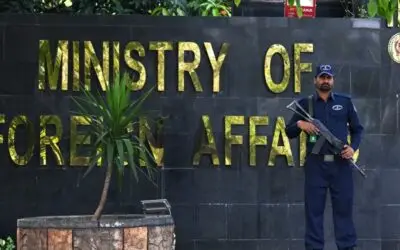
At the Taftan border, approximately 500 kilometers from Quetta, AFP journalists observed the Iranian flag flying at half-mast in honor of the martyred Supreme Leader, Ayatollah Ali Khamenei. While bulky luggage was wheeled across the foot crossings, long lines of freight lorries remained stalled, reflecting the regional trade disruption.
You May Like To Read: Operation Ghazab-lil-Haq Update: Pakistan Armed Forces Repel Massive Multi-Front Afghan Taliban Offensive
Government Stance
Prime Minister Shehbaz Sharif has reaffirmed that the targeting of Ayatollah Khamenei was a “violation” of international law and a breach of the “age-old convention” that Heads of State should not be targeted. The Government of Pakistan continues to express its solidarity with the Iranian people, even as it mobilizes resources to ensure the safe repatriation of thousands more Pakistanis still in the Islamic Republic.
Check out our latest video: