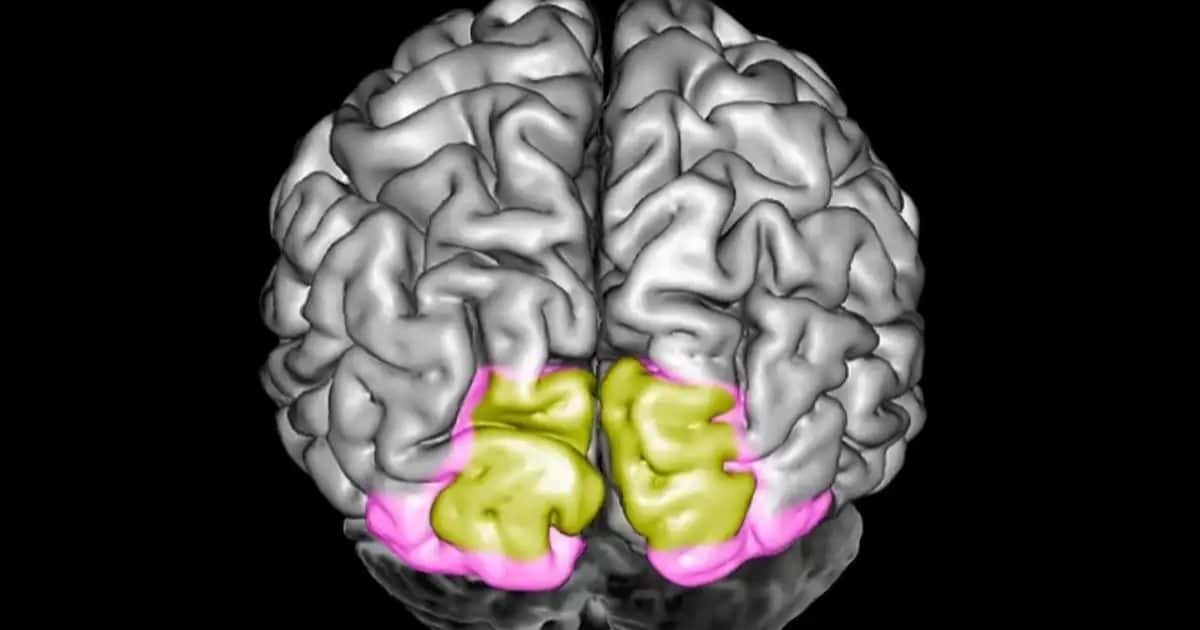





A new Nature study has revealed that astrocytes, star-shaped brain cells once thought to merely support neurons, play a key role in storing and stabilizing emotional memories.
Researchers found that astrocytes become highly active during the re-experiencing of trauma or emotion, helping transform fleeting experiences into long-term memories.
Using mice in contextual fear-conditioning experiments, scientists observed increased activation of the Fos gene, a marker of memory-related cell activity, within astrocytes located in the amygdala and other memory-linked regions.
Interestingly, the cells did not react during the initial shock event but showed strong activation when the memory was recalled, suggesting their role in memory consolidation rather than initial formation.
Study co-author Jun Nagai explained that astrocytes may hold the key to understanding how emotional memories become deeply embedded, potentially leading to new treatments for PTSD and Alzheimer’s disease. As Nagai noted, “The surprise was that astrocytes did not respond to the fear experienced the first time, only the second time.”
You May Like To Read: WhatsApp to Test Monthly Cap on Unreplied Messages in Anti-Spam Push