




PMD Warns of Pollution Drifting Into Pakistan
The Pakistan Meteorological Department (PMD) has warned that pollution generated from recent US-Israeli strikes on oil facilities in Iran could drift into western parts of Pakistan and worsen air quality in the coming days.
https://x.com/PakStartup/status/2031180768018325618?s=20
In a press release issued on Monday, the department said prevailing wind patterns could carry pollutants released from burning oil sites across the border. Due to the recent situation in Iran, the winds may carry pollutants and deteriorate air quality in the western parts of the country.
Toxic Smoke and ‘Oil Rain’ Reported in Tehran
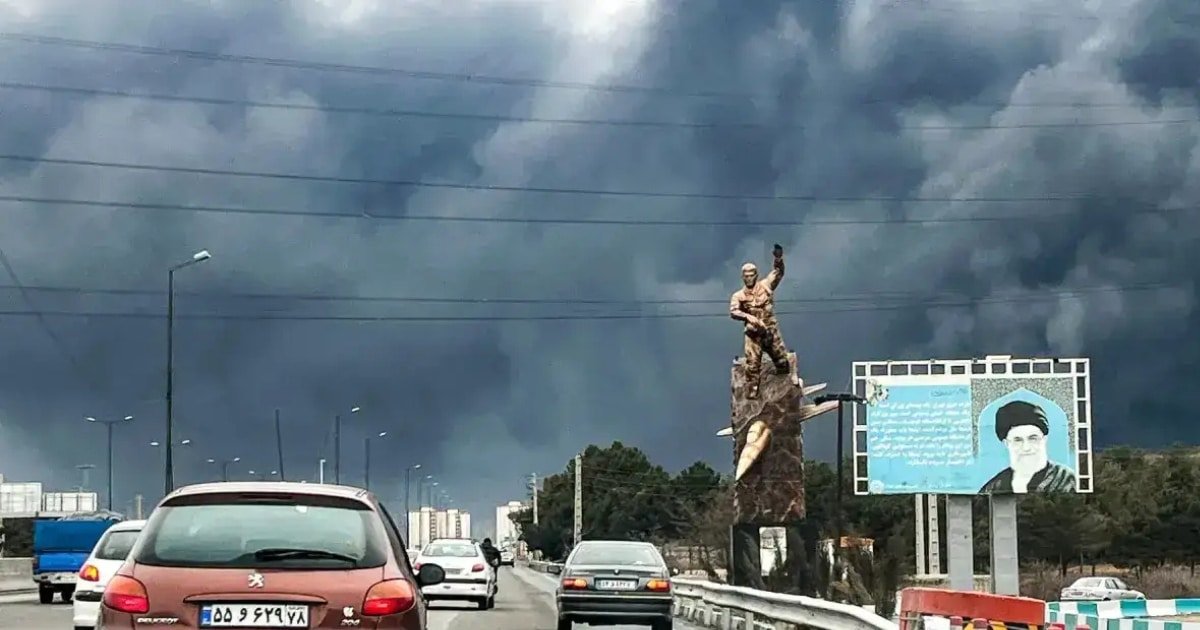
Heavy airstrikes on refineries and fuel depots in Tehran on March 7 created severe environmental conditions in the Iranian capital. Thick black smoke from burning oil facilities covered the skyline, leading to reports of oily rain across parts of the city.
The Iranian Red Crescent Society warned civilians that large amounts of toxic hydrocarbons, sulphur compounds, and nitrogen oxides had been released into the atmosphere, posing serious health risks such as chemical burns and lung damage. Iranian officials also said that several oil facilities were hit in strikes confirmed by Israeli forces.
Rain, Thunderstorms Forecast in Northern Pakistan
Separately, the Pakistan Meteorological Department forecast rain and thunderstorms in the upper parts of the country due to a westerly weather system expected to persist until March 12. The department said partly cloudy to cloudy weather with moderate rain, and thunderstorms were likely in several districts of Khyber Pakhtunkhwa, including Dir, Swat, Chitral, Mansehra, and Abbottabad. Similar conditions are also expected in Gilgit-Baltistan and Azad Jammu and Kashmir.
Light rain and thunderstorms may also occur in areas such as Peshawar, Mardan, Nowshera, and Kohat, while Islamabad and the Potohar region could experience rain from Monday night to March 11. The PMD also warned that isolated hailstorms were possible in northern areas.
Authorities cautioned that temperatures in upper regions could drop by three to four degrees Celsius. The department also warned of potential landslides in vulnerable mountainous areas and advised tourists to avoid unnecessary travel while urging farmers to manage crops according to the changing weather conditions.
You May Like To Read: US Designates Afghanistan State Sponsor of Wrongful Detention