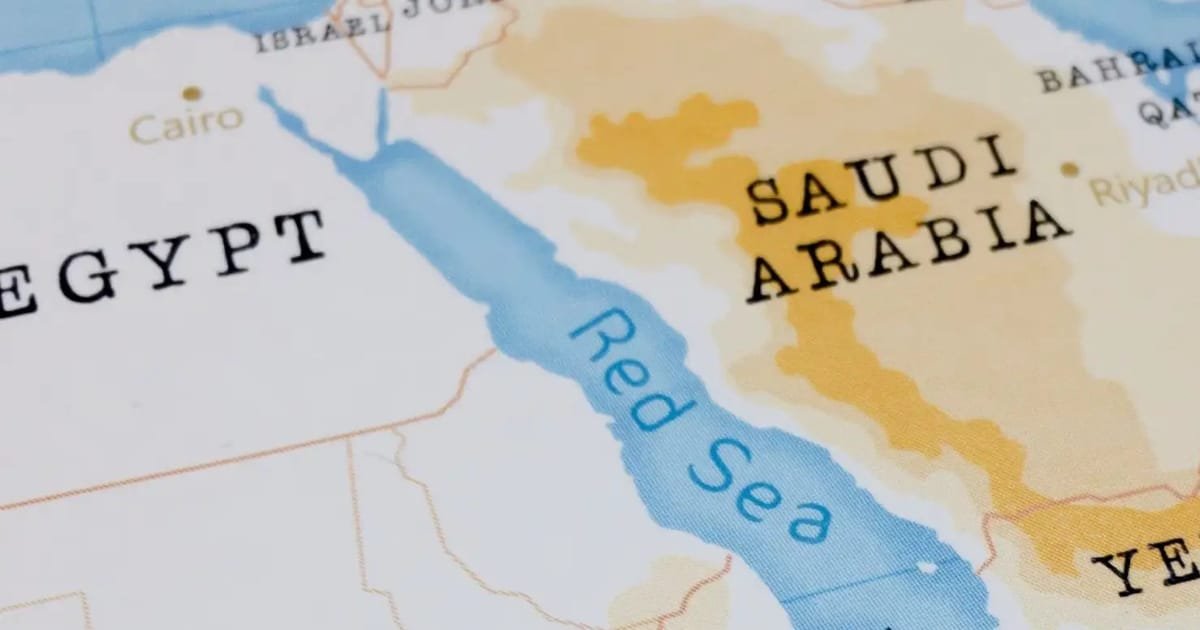




In a major strategic pivot to safeguard national energy security, the Government of Pakistan has finalized arrangements to import crude oil and petroleum products via the Red Sea, bypassing the effectively closed Strait of Hormuz. As of March 4, 2026, the Ministry of Energy and the Petroleum Division have activated a contingency plan involving Saudi Aramco and ADNOC (UAE) to ensure an uninterrupted flow of fuel amid the ongoing regional war.
Amid the ongoing closure of the Strait of Hormuz and disruption of fuel supplies, Pakistan’s largest refinery, Pak-Arab Refinery Company (PARCO), has secured two crude oil cargoes from alternative routes. One shipment was arranged through Abu Dhabi National Oil Company (ADNOC)… pic.twitter.com/vTcj6d6YBP
— The Strategic Insight (@Strategicprism0) March 4, 2026
Strategic Sourcing: The Red Sea Lifeline
With the Strait of Hormuz—the “jugular vein” of global oil—now a high-risk combat zone, Pakistan has shifted its primary import route:
-
The Route: Oil vessels from Saudi Arabia (Yanbu Port) and the UAE (Fujairah/Jebel Ali) are now utilizing the Red Sea corridor.
-
Current Status: Two crude oil cargoes originally scheduled via Hormuz remain stranded; however, replacement shipments have already reached Pakistani ports via the alternative route, with more currently en route.
-
PNSC Readiness: Tankers of the Pakistan National Shipping Corporation (PNSC) have been placed on high alert to facilitate these emergency “Red Sea lifts.”
Saudi Aramco is exploring the option of delivering more cargoes to Yanbu, a port in the Red Sea that’s situated outside the Persian Gulf, where dozens of ships are hunkered down as the Strait of Hormuz remains effectively closed. https://t.co/FtImcAsgTv
— Bloomberg (@business) March 3, 2026
Policy Shift: Weekly Price Reviews
To manage extreme market volatility and prevent “artificial shortages,” the government has officially shifted the petroleum pricing mechanism:
-
Weekly Reviews: Moving away from the fortnightly system, oil prices will now be reviewed every seven days. This aims to align domestic rates rapidly with international benchmarks and discourage dealers from hoarding stocks in anticipation of price hikes.
-
Price Outlook: Industry sources warn of a potential Rs. 50 per litre spike in the coming weeks due to rising Brent prices (currently trending toward $100–$120) and a 300-500% surge in war-risk insurance premiums.
Stock Levels and National Reserves
The Oil and Gas Regulatory Authority (OGRA) has confirmed that Pakistan’s pre-emptive “surplus import” strategy in early 2026 has provided a vital cushion:
-
28-Day Buffer: Pakistan currently holds a 28-day supply of both petrol (MS) and high-speed diesel (HSD).
-
Mandatory Reserves: This level is significantly above the 21-day mandatory requirement, providing a critical safety margin as the global energy crisis deepens.
You May Like To Read: IMF Cuts Pakistan Visit Short Over Security Concerns
Economic Context
While India has reportedly secured bulk Russian oil through the Red Sea to stabilize its economy, Pakistan’s reliance on the Saudi-UAE-Red Sea corridor is intended to prevent a sovereign default scenario similar to the 2022 energy crisis. Government officials stated that while the situation is “under control,” the long-term impact on the current account deficit remains a high-priority risk.
Check out our latest video: