



China’s Economic Crossroads: Export Reliance Under Scrutiny
China’s economic model, long driven by export-led growth and heavy investment, has been a subject of global attention and debate through 2025. At the centre of this discussion is the International Monetary Fund (IMF), which has called on Beijing to rebalance its economy, reducing reliance on exports and stimulating domestic demand as a sustainable engine for future growth. This shift is not merely numbers, it carries real implications for global demand, commodity flows, supply chains and the trade prospects of countries such as Pakistan. The IMF’s repeated interventions and analyses underscore that China’s economy, while still growing, faces structural weaknesses that may have ripple effects across the world, including in South Asia.
IMF’s Message: Rebalancing Growth
In its 2024 Article IV consultations and follow-up guidance, the IMF highlighted persistent imbalances in China’s economic structure. Although China’s gross domestic product (GDP) showed resilience, with growth rates around 5 percent in 2025, this performance masks underlying challenges. Weak domestic demand, a troubled property sector and elevated corporate and local government debt were cited as risks that could constrain sustainable, high-quality expansion without meaningful reforms. The IMF’s position is clear: boosting domestic consumption should be a priority if China is to reduce its overdependence on exports.
The Fund recommended a series of structural reforms, including enhancing social safety nets to encourage household spending, liberalising the services sector, and reducing distortive industrial policies that favour production over consumption. These reforms aim to shift the economic balance towards a more consumption-led model over time.
Export Strengths and Domestic Weaknesses
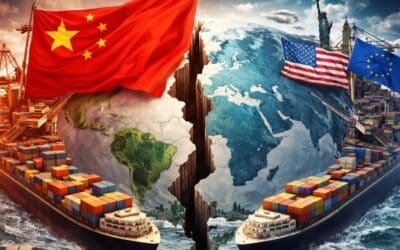
China’s exports have remained robust even amid global trade tensions and stronger tariffs, particularly from the United States. For instance, while exports to the U.S. have declined sharply, nearly 29 percent in certain months, China has compensated through increased shipments to regions such as the European Union and Southeast Asia. A slightly weaker renminbi has also made Chinese goods more competitive abroad, helping maintain the export engine.
Yet exports do not tell the whole story. Domestic demand in China remains tepid. Retail sales have shown weak growth, and household consumption has struggled to pick up pace after the COVID-19 pandemic and a prolonged downturn in the property sector. This lack of domestic demand has limited import growth, forcing firms to chase growth in foreign markets to sustain output.
Structural Reform and the Global Demand Landscape
The IMF’s push for structural reform in China has significant implications for global markets. China is the world’s second-largest economy and a major importer of commodities and intermediate goods. A shift towards domestic demand could transform global commodity flows. Historically, export-led growth has implied large-scale manufacturing activity, which has driven demand for raw materials such as iron ore, oil, copper and agricultural products sourced from Africa, Latin America and Asia. If domestic consumption becomes a stronger driver of China’s economic growth, the composition of China’s imports may shift, potentially increasing demand for consumer-oriented goods and services while altering the import mix of commodities. Analysts suggest this could open new markets for exporters of processed consumer products and services, while demand for some heavy commodities could moderate relative to recent years.
For countries such as Pakistan, this shift could present nuanced opportunities and challenges. Pakistan’s export profile includes textiles, apparel, rice and other commodities that have traditionally found markets in China, the Middle East and beyond. If Chinese consumers spend more on services, tourism and diversified goods, Pakistan could benefit through increased exports in selected sectors. Closer economic engagement and bilateral trade agreements aimed at tapping into China’s evolving demand structure could become more rewarding. On the flip side, if China’s export boost fades relative to domestic production, Pakistan’s own export markets could face stiffer competition from rising Chinese firms targeting global consumer markets.
Global Supply Chains in Transition
China’s role in global supply chains cannot be understated. Its manufacturing prowess is deeply interwoven into the production networks of electronics, automotive parts, consumer goods and industrial equipment. Recent research highlights that China’s integration into global value chains is anchored by its position in intermediate goods, components that cross borders multiple times before becoming final products.
An economic pivot towards consumption will not automatically reduce China’s role in manufacturing, but it may change the nature of its supply chain participation. Increased domestic demand for services and consumption goods could encourage companies to redesign logistics, source more locally or diversify production regions. For example, multinationals might allocate more assembly stages within China’s service and consumption hubs while relocating some heavy manufacturing stages to neighbouring economies. For nations like Pakistan with aspirations to deepen industrial capacity, this presents possibilities for participating in new or reconfigured segments of supply chains, especially in textiles, automotive components and light manufacturing.
Impact on Commodity Markets
Commodities have been sensitive to China’s economic cycles for decades. China remains a dominant consumer of iron ore, coal and oil, influencing global prices and production patterns. A structural shift that emphasises domestic consumption over heavy industry could temper the insatiable appetite for certain raw materials, affecting prices and production strategies of commodity-exporting countries.
At the same time, increased demand for consumer-oriented commodities, such as agricultural products and energy for households, could diversify market opportunities for exporters.
For Pakistan, which imports significant volumes of energy commodities and seeks to expand its agricultural exports, shifts in Chinese commodity demand may influence trade dynamics and price stability. A more consumption-oriented China may also lead to greater imports of consumer goods from diverse sources, potentially benefitting exporters who can position themselves in these emerging trade corridors.
You May Like To Read: China and Pakistan Pledge Deeper Cooperation Against Terrorism
Regional Integration and Competitive Dynamics
The IMF has also highlighted the broader context of Asia’s economic prospects, encouraging greater regional integration and cooperation. A pivot by China towards domestic demand could energise regional markets, fostering stronger intra-Asia trade links. Pakistan, as part of the wider Asian economic landscape, stands to benefit from deeper connectivity, whether through supply chain linkages, trade facilitation or investment flows.
At the same time, increased competition within regional markets could intensify. Asian economies with robust manufacturing bases and consumer goods sectors, such as Vietnam, Indonesia and Bangladesh, may draw investment and trade opportunities as companies seek diversified locations both for exports and domestic markets. Pakistan’s own competitive position will depend on policy incentives, infrastructure improvements and strategic engagement with regional partners.
Challenges Ahead: Implementation and Risks
Despite the IMF’s recommendations and evident need for change, transitioning China’s growth model presents challenges. Structural reforms are politically complex and require careful sequencing. Measures to boost consumption, such as social security expansion, tax reforms, and labour market policies, must be balanced against fiscal constraints and entrenched interests tied to investment and export sectors. Moreover, as China opens its economy further, managing global trade tensions and maintaining stable relations with key partners will be critical to ensuring that a domestic pivot does not inadvertently trigger market disruptions or reduce confidence among foreign investors.
Conclusion: A New Economic Chapter
China stands at a potential inflection point. The IMF’s call for a shift from export dependence towards domestic demand is rooted in deep structural analysis and reflects broader global economic realities in 2025. For global markets, including Pakistan’s economy, this transition could reshape trade patterns, commodity flows and supply chain structures. While the path ahead is complex, it also carries opportunities for countries that align their economic strategies with emerging demand trends and strengthen bilateral and regional trade cooperation. If China can successfully rebalance its growth model, the effects may contribute to a more diversified and resilient global economy.
Check out our latest video: