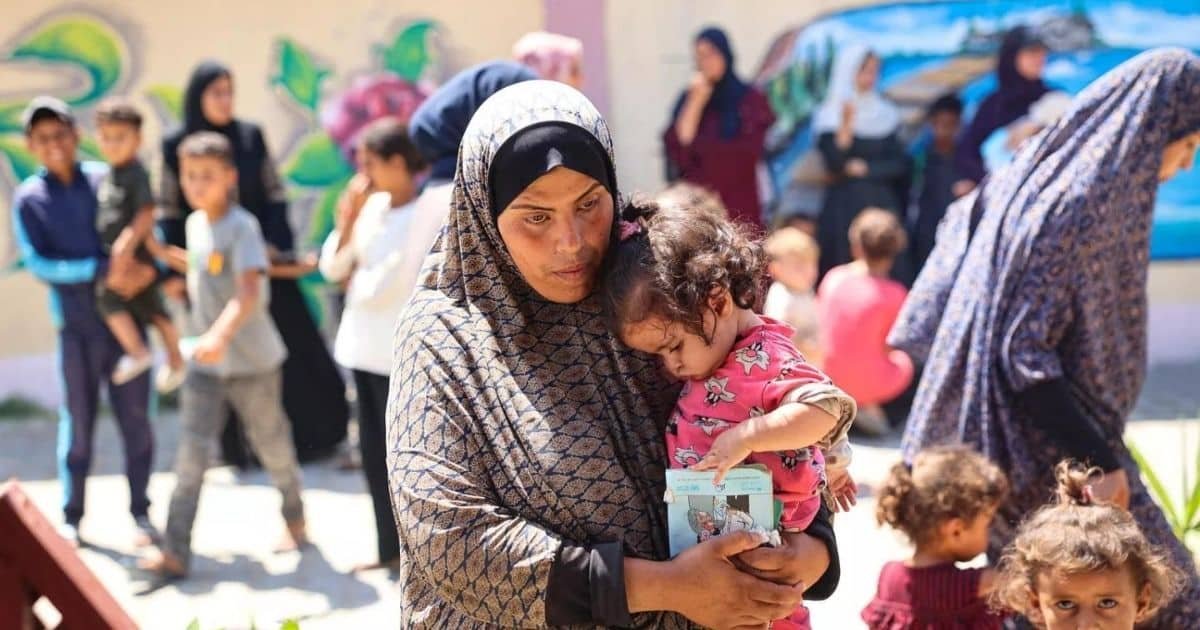





Speaking from the ground in Gaza City, UNICEF spokesperson James Elder briefed reporters in Geneva today on the staggering toll the ongoing conflict continues to take on children, even amid a ceasefire. Despite a reduction in large-scale bombardment, the humanitarian situation for the youngest Gazans remains catastrophic.
Three months into the #ceasefire in #Gaza, food is more widely available and the entry of medical supplies and medicines has increased to some extent. However, extensive clearance procedures continue to cause delays, with some essential medical items classified as dual-use and… pic.twitter.com/c8xwoQBIeg
— WHO in occupied Palestinian territory (@WHOoPt) January 13, 2026
Daily Fatalities During Ceasefire
UNICEF reports that approximately one child is killed every day in Gaza despite the current ceasefire. These deaths are attributed to a range of military actions, including:
- Airstrikes and drone strikes (including suicide drones).
- Tank shelling and live ammunition.
- Remote-controlled quadcopter fire.
“That’s roughly a girl or a boy killed here every day during a ceasefire,” said Elder. “A ceasefire that slows the bombs is progress, but one that still buries children is not enough.”
The Winter Crisis: Hypothermia Claims Six Lives
Beyond the violence, the onset of harsh winter conditions is proving fatal for children living in makeshift shelters. UNICEF confirmed that six children have died from hypothermia this winter alone. High winds and heavy rain are currently tearing through tents on the coast, leaving families with no protection against the “bitterly cold and wet” environment.
Medical Evacuations at a Standstill
While the ceasefire has allowed UNICEF to establish the first primary healthcare clinics in northern Gaza and expand immunizations, the system for medical evacuations is paralyzed.
Before October 2023, 50 to 100 patients were evacuated daily. Currently, children with life-threatening injuries—including a nine-year-old with shrapnel in his eyes and children requiring urgent amputations—are being denied passage despite completing formal application processes.
Barriers to Life-Saving Aid
UNICEF expressed grave concern over two looming obstacles to humanitarian operations:
- Dual-Use Restrictions: Essential medical items and food continue to face delays or denials by Israeli authorities under “dual-use” classifications.
- NGO Ban: A pending ban on international NGOs is set to take effect next month, which UNICEF alleges will “block life-saving assistance” at a time when psychological and physical trauma among children is deepening.
Call to Action
UNICEF is calling for an immediate end to the denial of medical evacuations for critically ill children and for international media to be granted access to the enclave to document the “360-degree devastation.”
“The psychological damage remains untreated, and it’s becoming deeper and harder to heal the longer this goes on,” Elder concluded.
You May Like To Read: White House Issues Statement on María Corina Machado’s Upcoming Visit
Check out our latest video: