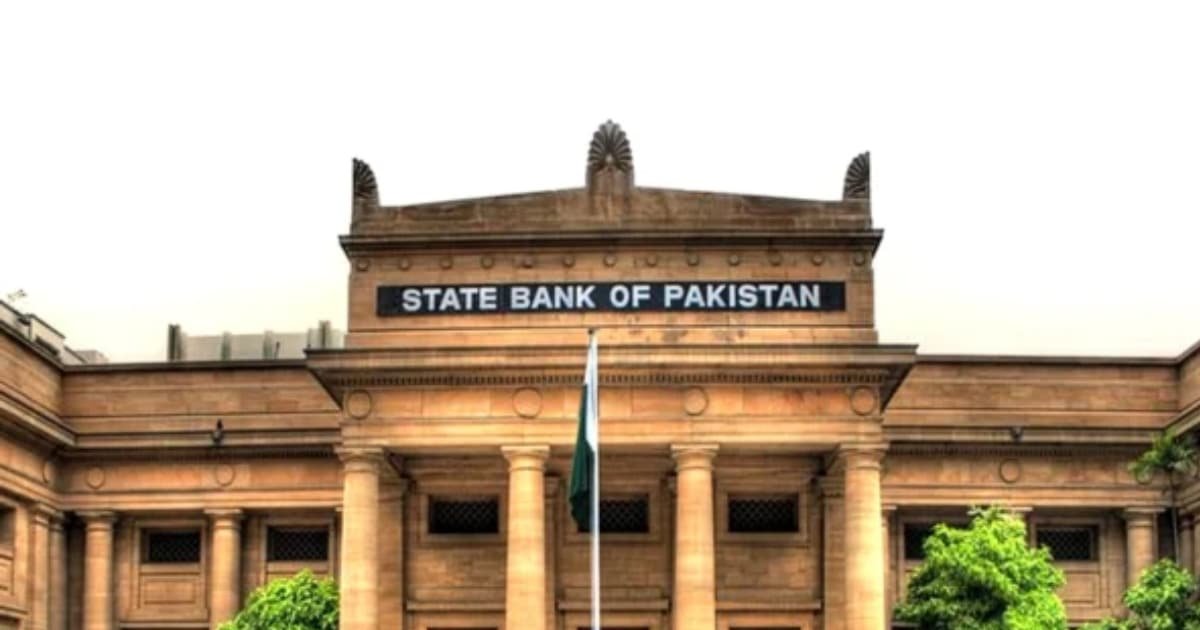


The State Bank of Pakistan (SBP) confirmed on Tuesday that it has received $1 billion from the Kingdom of Saudi Arabia. This latest inflow completes the second leg of a recently negotiated $3 billion support package, providing a vital cushion for the country’s foreign exchange reserves.
Highlights
- The $1 billion deposit follows the $2 billion first tranche received last week.
- This is part of Riyadh’s broader commitment to boost its existing $5 billion facility to $8 billion, while also extending the maturity of the original deposit for another three years.
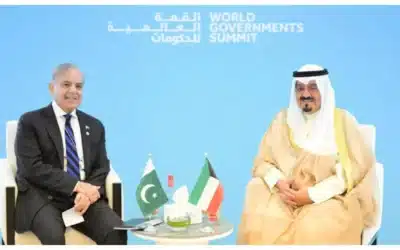
- The funds arrive on the heels of Prime Minister Shehbaz Sharif’s recent diplomatic mission to the Kingdom, where he focused on both regional peace and bilateral economic stability.
State Bank of Pakistan has received funds of US$ 1 billion from Ministry of Finance, Kingdom of Saudi Arabia in the value date of 20April2026. This is the second tranche of the $3 billion deposit recently agreed by Kingdom of Saudi Arabia. First tranche of $2 billion has already…
— SBP (@StateBank_Pak) April 21, 2026
Navigating External Pressures
The timing of this $1 billion injection is critical. Pakistan is currently preparing to repay a $3.5 billion loan to the UAE this month. After failing to secure a rollover for the UAE facility in March—a first in seven years—concerns had mounted regarding a potential breach of IMF-mandated reserve targets.
While the central bank’s reserves stood at $16.4 billion at the end of March, the looming UAE repayment and high global oil prices have kept the external account under significant strain. Analysts note that while this Saudi assistance effectively bridges the immediate financing gap, the country remains vulnerable to the economic spillovers of the ongoing Middle East conflict.
Looking Ahead
The Saudi support is seen as a vote of confidence in Pakistan’s current economic stabilization program. However, with the April 22 ceasefire deadline approaching in the Gulf, market watchers are keeping a close eye on energy prices and the success of the “Islamabad Talks 2.0,” both of which will dictate whether Pakistan’s external buffers can withstand the next quarter’s debt obligations.
You May Like To Read: Gaza Reels from Renewed Violence by Israel Despite Ceasefire Hopes
Check out our latest video: