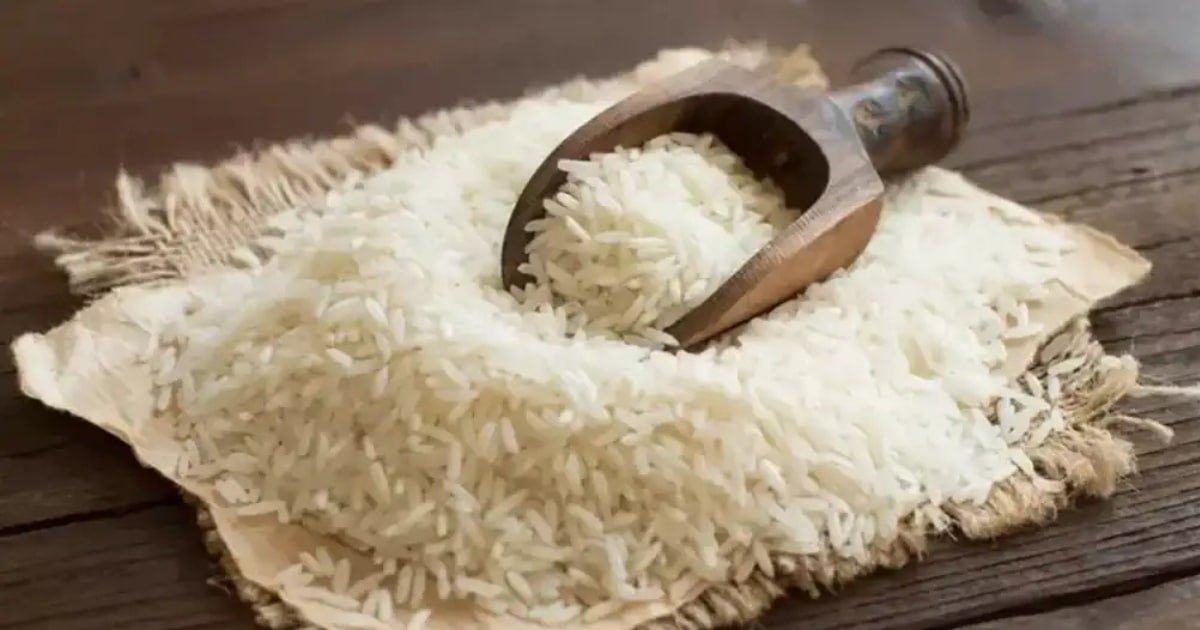





Pakistan has achieved a historic milestone in international trade, emerging as the world’s third-largest rice exporter for the month of December 2025. Surpassing Vietnam, Pakistan recorded a robust 14% month-on-month (MoM) growth, fueled by a remarkable 50% surge in Basmati shipments.
Pakistan becomes the world’s third largest rice exporter bypassing Vietnam. pic.twitter.com/ckPBOuwSW4
— Irves (@Irves_Watch) January 19, 2026
Global Standing and Market Performance
According to the latest trade data, Pakistan exported 489,000 tonnes of rice in December 2025, significantly outperforming Vietnam’s 387,000 tonnes. This performance positions Pakistan directly behind India and Thailand in global export rankings for the period.
Key market highlights include:
- The UAE & China: Remained the leading destinations, with imports of approximately 74,897 and 74,685 tonnes respectively.
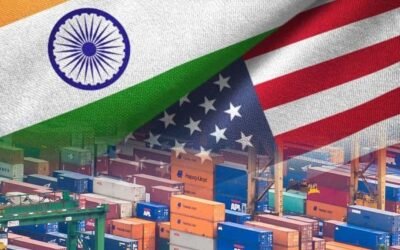
- North America: Exports to the United States are gaining momentum, aided by a 50% tariff currently imposed on Indian rice.
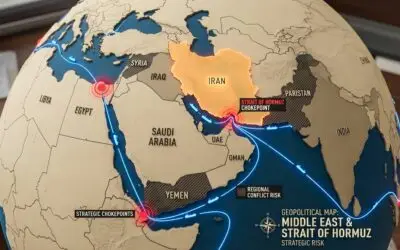
- Iran: A shift in Iranian Central Bank policy has favored Pakistani exporters due to geographic proximity, leading to a surge in private-sector demand.
Strategic Shift to Central Asia
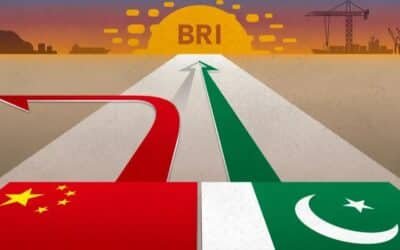
A significant structural shift was observed in December as Pakistan established a direct export footprint in Central Asian markets. Direct shipments to Kazakhstan (17,000 tonnes) and Uzbekistan (10,382 tonnes) mark a departure from previous indirect trade routes via Afghanistan. This direct access to Azerbaijan, Turkmenistan, Tajikistan, and Kyrgyzstan is expected to provide long-term stability to the sector.
You May Like To Read: Machado Gifts Her Nobel Peace Prize to Trump: Symbolic Gesture vs. Nobel Rules
Addressing Structural Challenges
While celebrating this rebound, the Government of Pakistan acknowledges the persistent structural and logistical challenges within the sector. Prime Minister Muhammad Shehbaz Sharif has directed the relevant authorities to formulate a comprehensive strategy to:
- Expand Market Share: Target major importers such as Iraq and transit hubs like Turkiye.
- Enhance Competitiveness: Address rising ocean freight costs and phytosanitary standards.
- Policy Reform: Streamline fiscal and regulatory frameworks to prevent hoarding and domestic price inflation.
Minister for Commerce emphasized that while global competition remains intense—particularly with high production volumes in India—the “Digital Pakistan” and “Export-Led Growth” initiatives will continue to prioritize the rice sector as a vital source of foreign exchange.
Check out our latest video: