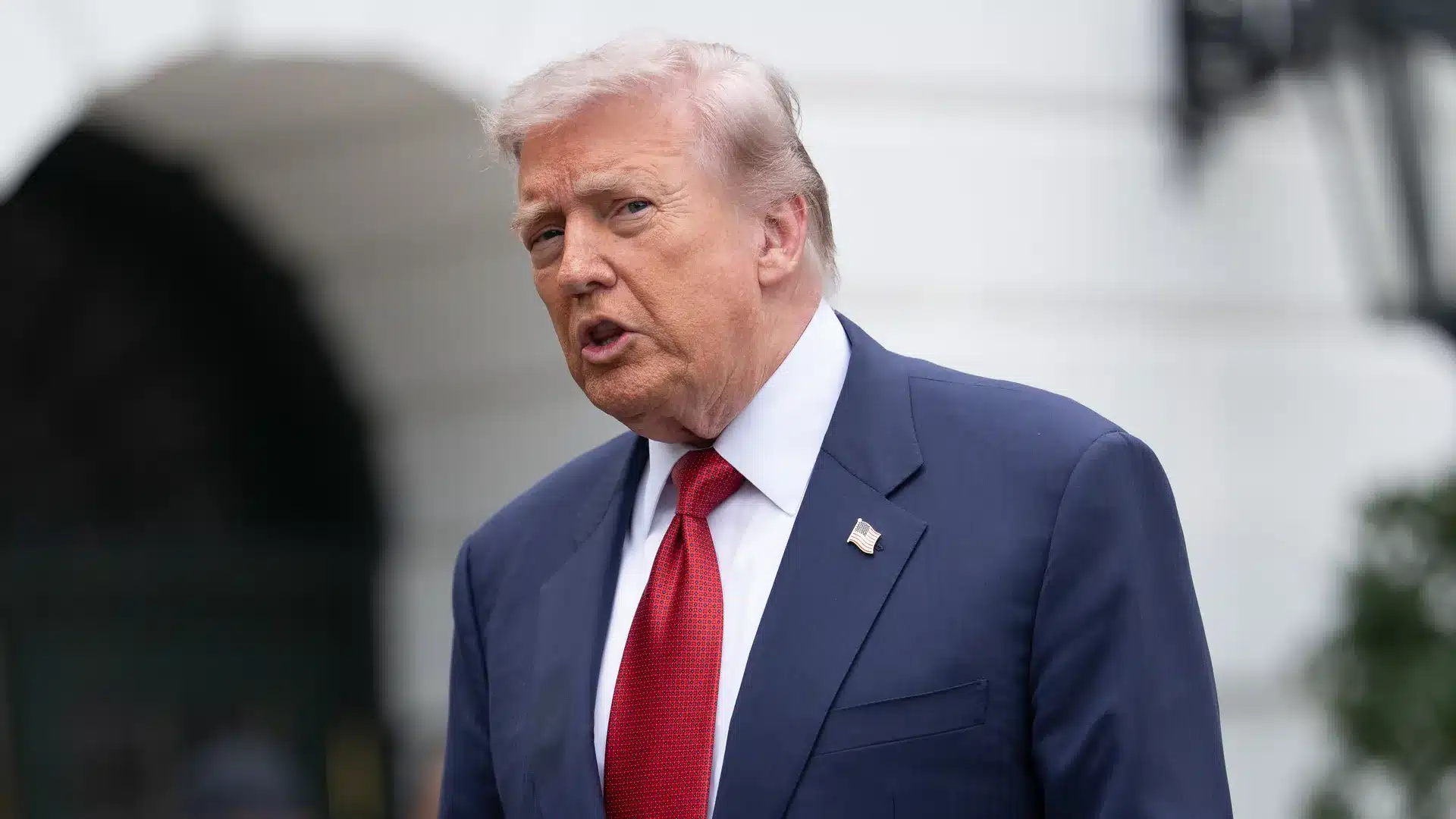



President Donald Trump asserted the United States’ firm opposition to any tolls levied on shipping through the Strait of Hormuz, a vital international waterway. Speaking at the White House on Thursday, Trump also reiterated his commitment to preventing Iran from retaining highly enriched uranium.
“We don’t want tolls. It’s an international waterway,” Trump stated, emphasizing that no such tolls are currently in place. He further claimed that Iran is facing significant financial setbacks due to shipping restrictions.
Addressing the contentious issue of Iran’s uranium stockpile, Trump declared, “No, we get the highly enriched; we will get it. We don’t need it. We don’t want it. We’ll probably destroy it after we get it, but we’re not going to let them have it.” He affirmed the US determination to prevent Iran from acquiring nuclear weapons, stating, “Right now, we’re negotiating, and we’ll see, but we’re going to get it one way or the other. They’re not going to have a nuclear weapon.”
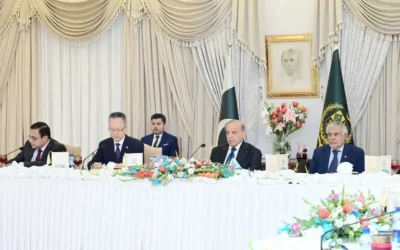
The US and Iran stuck on Thursday to directly opposing stances over Tehran’s uranium stockpile and controls on the Strait of Hormuz, providing little fodder for hope in Pakistani-led efforts to end the conflict.
President Donald Trump said the US will eventually recover Iran’s… pic.twitter.com/hMzRRO0LB8
— KUWAIT TIMES (@kuwaittimesnews) May 21, 2026
Trump acknowledged reports of negotiations between Iran and Oman regarding potential tolls in the Strait of Hormuz. He emphasized the US military’s dominance in the region, saying the US is monitoring reported negotiations between Iran and Oman over possible tolls in the Strait of Hormuz while asserting that US forces maintain complete control over maritime traffic in the strategic waterway.
Recent reports suggest that Iran and Oman are exploring alternative mechanisms, such as maritime service charges, to generate revenue from vessels passing through the strait. These charges would be tied to services like waste disposal or port assistance, potentially circumventing international maritime law prohibitions on direct transit tolls.
Trump boldly claimed that the US has implemented an effective blockade in the region, stating, “We have total control of the Strait of Hormuz, as you know, with our blockade. The blockade has been 100% effective. Nobody’s been able to get through. It’s like a steel wall.”
Critical Analysis
Trump’s statements highlight the ongoing tensions in the Middle East and the US’s assertive stance towards Iran. His claim of a “100% effective” blockade warrants scrutiny, as it is a strong statement that requires independent verification. While the US maintains a significant naval presence in the region, a complete blockade may have far-reaching economic and geopolitical consequences.
The negotiations between Iran and Oman represent a potential shift in regional dynamics. The exploration of service-related fees could provide Iran with a much-needed revenue stream, while Oman could benefit from a share of the revenues and increased regional influence. However, the legality and international acceptability of such fees remain to be seen.
The President’s tough stance on Iran’s nuclear ambitions reflects the US’s long-standing policy of preventing Iran from developing nuclear weapons. However, the details of the negotiations remain unclear, and the path towards a lasting agreement remains uncertain.