




The Beginning of the Wall
On the morning of 13 August 1961, the Berlin citizens were awoken by a shocking view of rolls of barbed wire cutting across roads, railways, and residential areas. East German troops and policemen, following the instructions of their leader Walter Ulbricht and being supported by the USSR, worked overnight to seal the borderline between East and West Berlin. Roads barred, trains put out of service, and entire families found themselves in the sudden midst of a new and invisible prison separated by a new border.
After World War II, until then the country was divided into East (under Soviet control) and West (under the U.S., Britain, and France). Berlin was split into its western part, a miniature island of democratic freedom in an ocean of communism, even though it was deep in eastern German territory. By 1961, close to 3 million East Germans had defected to the West, many via Berlin, which gave the East German leadership what it termed a brain drain that jeopardized its economy and political authority.
This crisis, thus, led to the East German leadership taking action. They named this a decision, which was supposed to stabilize the socialist state against Western aggression, but it was an extreme measure that was supposed to ensure that people would not leave. It all started as the so-called Barbed Wire Sunday, which would soon become the solid Berlin Wall, which has become a symbol of the Cold War and one of the most well-known boundaries in history.
On 13 August 1961, construction of the Berlin Wall began.
In the early hours of the morning, barbed wire fences were erected, dividing the city in two and tearing families and friends apart.
The 155 km-long Berlin Wall stood for 28 years. pic.twitter.com/Of2hku9KkX
— German Embassy London (@GermanEmbassy) August 13, 2025
Barbed-Wire to Concrete
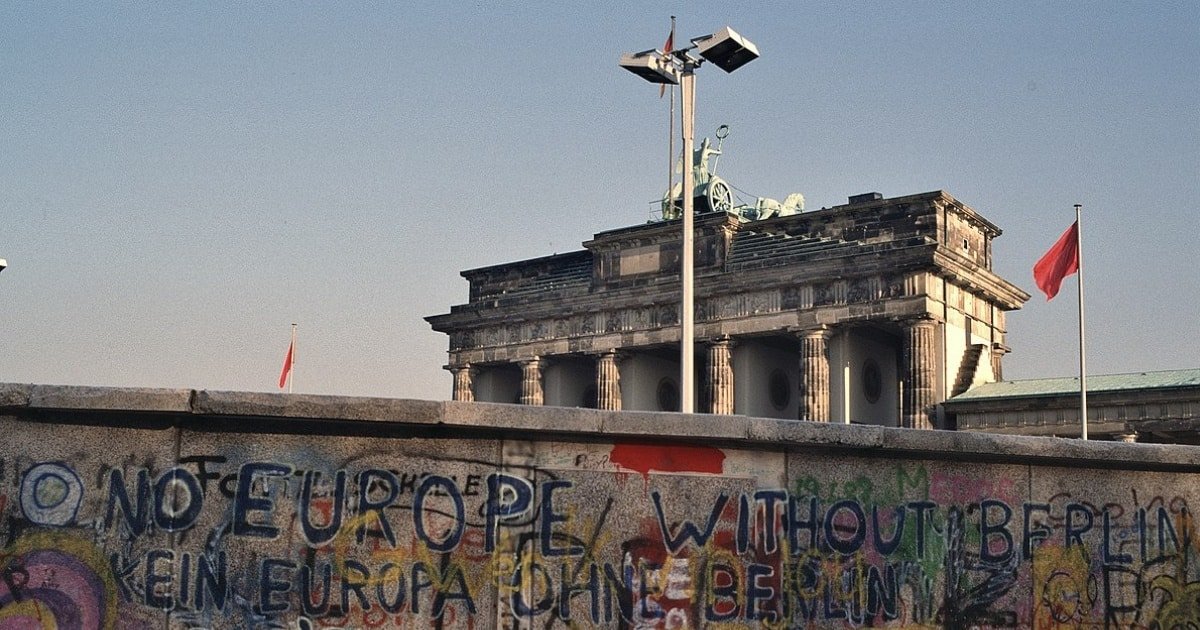
The temporary barbed wire coils in use after August 13, 1961, gave way to solid concrete slabs, guard towers, floodlights, and anti-vehicle ditches in the weeks that followed. The wall soon became a heavily militarized no man’s land referred to as the death strip, and armed guards were instructed to shoot at escapees. What began as a single strand of a wire became a 96-mile-long wall enclosing West Berlin, through streets, gardens, cemeteries, and even across buildings.
In the case of East Germany, the Wall was sold to people as a preventative against Western spies and saboteurs. To the West, it was a bloody cage that entrapped millions of people to be enslaved by communist ideology. The U.S. President John F. Kennedy rebuked the act but took a low-key action lest a direct military confrontation with Russia. His trip to West Berlin in 1963, where he infamously said, “Ich bin ein Berliner,” came to be one of the most symbolic representations of unity during the Cold War.
You May Like To Read: Field Marshal Syed Asim Munir Awarded Azerbaijan’s Patriotic War Medal
It was not long before the Wall became a worldwide mark of oppression. Our newspapers in the West gave plangent pictures of families with waving hands. The dashing cameramen on the TV also took pictures of desperate escape attempts, some successful, many ending in death. The propaganda of the Soviet Union and East Germany, in its turn, was promoting the Wall as protection against the so-called fascist powers.
Divided Berlin
Thereafter, the Berlin Wall came into being, and Berliners in the East experienced life with abruptness. The streets used to link neighborhoods were partitioned into two. There was no chance to sit and have coffee with your friends, and families were separated without being able to have farewells. The border in most instances was drawn between apartment buildings, where the occupants had to leap out of the windows into West Berlin, prior to the holes being shut.
East Berlin turned into a controlled city. The protagonist works on behalf of the Stasi, the East German secret police, who spied on citizens, eavesdropped on conversations, read letters, and punished those who were suspected of attempting to escape. People near the Wall would be spied on by others all the time. Looking at the West could be termed a criminal act.
Nevertheless, people attempted to escape. Others dug themselves in the ground, some others got into car trunks, or tried to cross canals by swimming. Makeshift hot air balloons, zip lines, or even flights in light aircraft were the bravest of the escapes. Nevertheless, the hazards were fatal as the border guards had a command to shoot escapees, and at least 140 people died in an attempt to flee to West Berlin during 1961 and 1989.
Life was freer on the western side, but the Wall was a gloomy indication that not everyone was equally free. Berliners used to frequent observation platforms to gaze upon the Wall, wave at their family members, or protest and demand unity. Not only did the barrier divide a city, but it became a representation around the world of the number of people paying the price of human division in politics.
The Fall of the Wall and Legacy
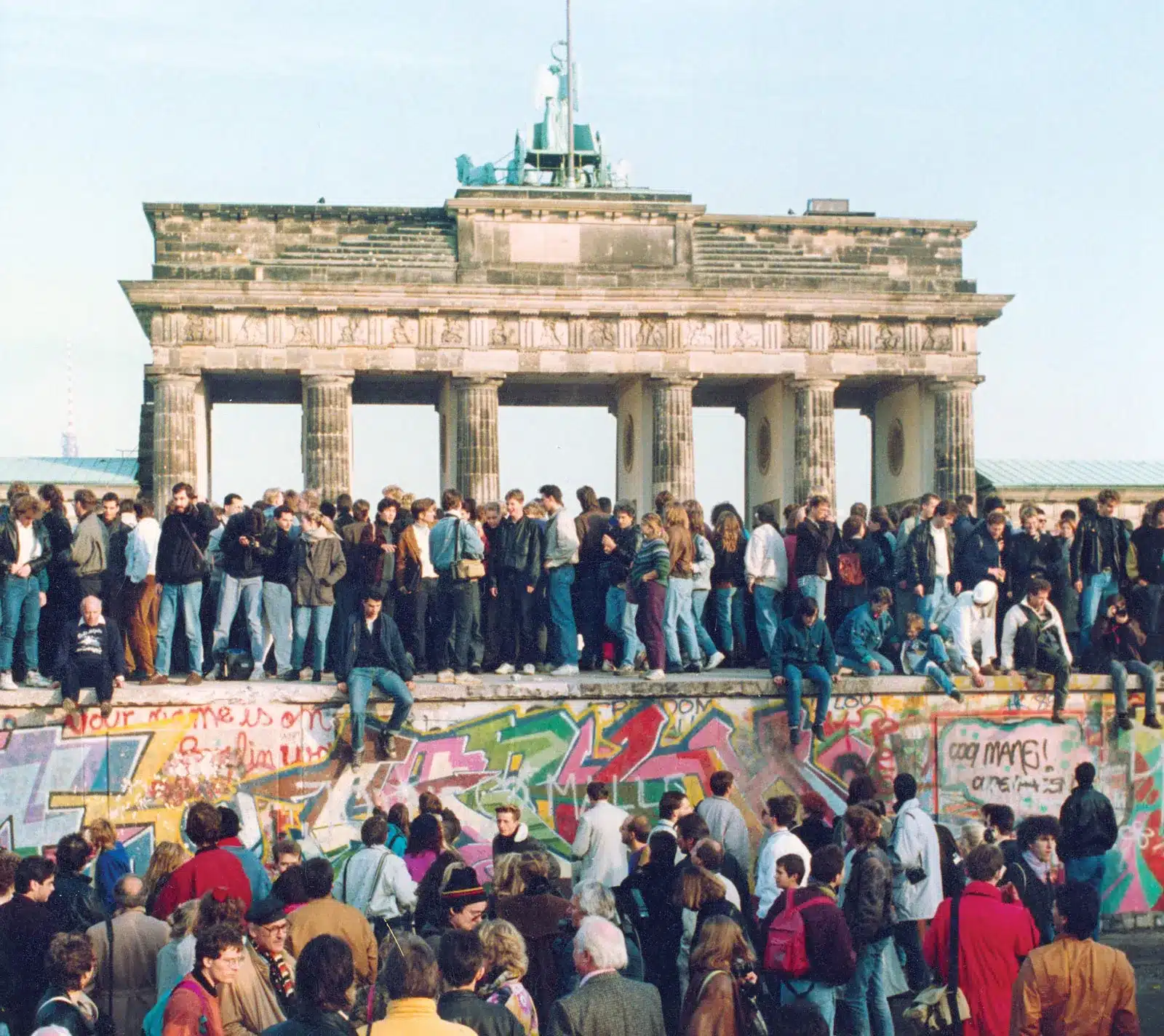
The Berlin Wall had stood in its position for 28 years when, on November 9, 1989, it started falling. The situation Soviet Union: A combination of political pressure, economic challenges, and sweeping democratic movements in Eastern Europe could not help but compel East German authorities to open the travelling restrictions. A garbled announcement by an East German official that the people could cross over “immediately” led to a stampede towards the border. In the evening, thousands of East and West Berliners came together and celebrated; people climbed to the top of the Wall. Others started chipping off pieces using hammers and chisels to flipping a once-feared hindrance into freedom keepsakes.
You May Like To Read: D.C. Service Due to Aircraft Shortage and Airspace Closure
The collapse of the Berlin Wall has turned out to be one of the most potent events of the 20th century, not only the ending of the Cold War but the victory of unity above division. Less than a single year later, Germany was once again one country, and Berlin started to embark on the path of recovery from the wounds that ten years of division had inflicted.
Today, the components of the Wall survive as monuments and contemporary art galleries that indicate the world of the threats of political separation and the strength of individuals who have visions of freedom. August 13, 1961, the day the Wall was born, serves as a reminder of how easily freedom can be taken.