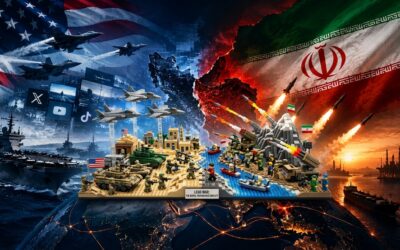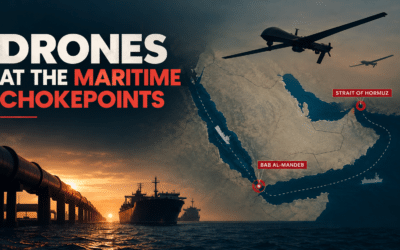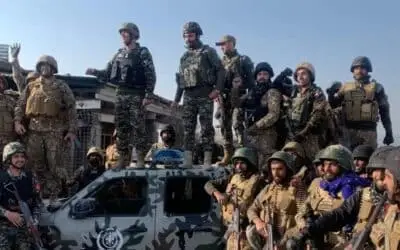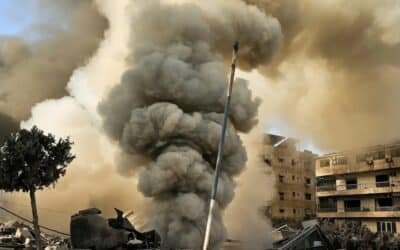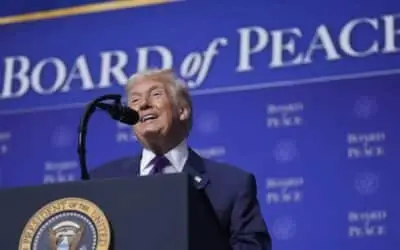


In 2025, the global security landscape is undergoing a profound transformation. The once-dominant Western military interventions, particularly by the United States and its NATO allies, have significantly diminished, leaving behind power vacuums in regions like the Middle East and Africa. This retreat has paved the way for other state and non-state actors to assert their influence, leading to new geopolitical dynamics and emerging conflicts.
🚨 BOOM: JD Vance just said what many Americans are feeling about Ukraine – “Americans, I think, are sick of continuing to send their money, their tax dollars.” pic.twitter.com/IFTyHaBmfr
“If the Europeans want to step up and actually buy the weapons from American producers, we’re…
— Eric Daugherty (@EricLDaugh) August 10, 2025
The Decline of Western Military Engagement
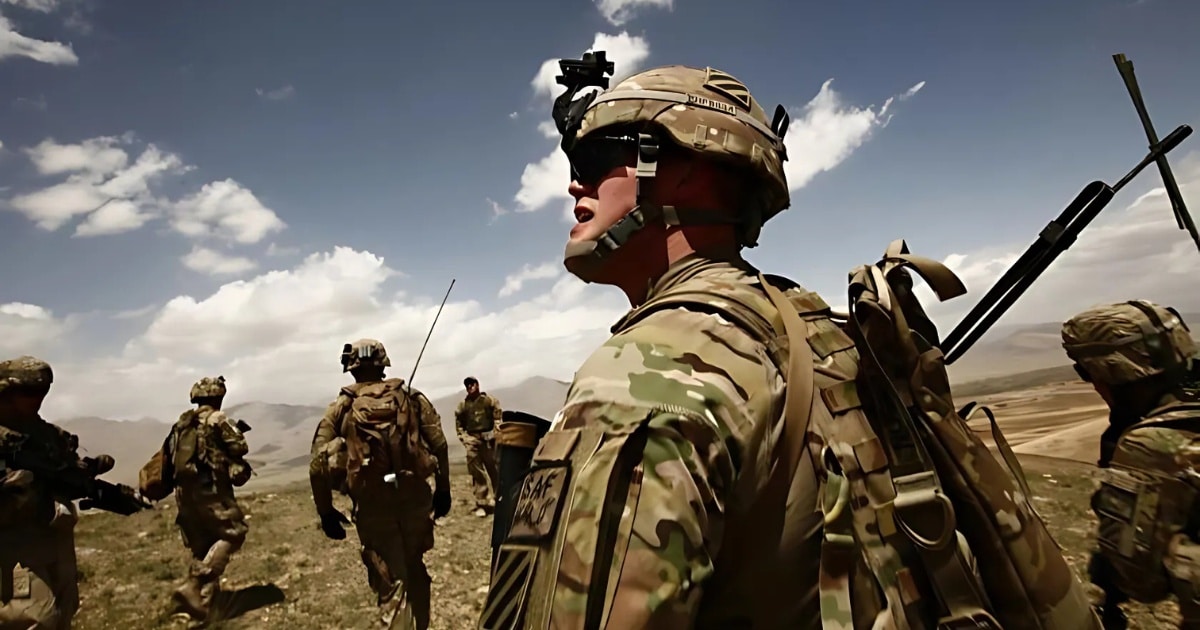
The U.S. and its allies have progressively reduced their military footprints in key regions. In Africa, the U.S. has shifted its strategy from direct intervention to encouraging greater self-reliance among local forces. During the African Lion exercise, U.S. Africa Command emphasized the need for partner nations to operate independently, signaling a move away from comprehensive counterinsurgency efforts . Similarly, in the Middle East, the U.S. has been recalibrating its military presence, focusing more on strategic deterrence rather than direct involvement in regional conflicts.
This strategic pivot is partly driven by domestic considerations, including war fatigue and shifting public opinion in Western countries. For instance, U.S. Vice President JD Vance recently urged European nations to take a more active role in supporting Ukraine, indicating a desire to reduce American military commitments abroad.
You May Like to Read: Escalating Crisis in Sudan
Emergence of New Power Brokers
As Western powers scale back, other nations and groups have stepped into the void. Russia, for example, has expanded its influence in Africa through the establishment of the Africa Corps, a state-controlled military group that has taken over operations previously managed by the Wagner Group. This move allows Russia to maintain a presence in countries like Mali, Burkina Faso, and the Central African Republic, where it provides military support and secures access to valuable resources.
China, leveraging its Belt and Road Initiative, has also increased its footprint in Africa and the Middle East. Through investments in infrastructure and energy projects, China is not only enhancing its economic ties but also positioning itself as a key strategic partner in these regions. In Sudan, for instance, China has provided emergency aid and arms, aligning itself with the Sudanese Armed Forces amidst the ongoing civil war.
Additionally, regional powers such as Iran and Turkey are asserting their influence. Iran has been involved in supporting factions in Yemen and Syria, while Turkey has expanded its military presence in the Sahel region, engaging in security and defense cooperation with countries like Niger.
You May Like to Read: Operation Blue Star: Assault on Faith and Freedom
Consequences of the Power Vacuum
The withdrawal of Western powers and the subsequent rise of new actors have led to several significant developments.
1. Increased Proxy Conflicts: With the absence of a dominant Western military presence, regional powers and non-state actors are engaging in proxy wars to advance their interests. In the Sahel, for example, the power vacuum has intensified conflicts involving groups like al-Qaeda and the Islamic State, as local governments struggle to maintain control.
2. Realignment of Alliances: Countries previously aligned with Western powers are now seeking new partnerships. The Alliance of Sahel States, comprising Mali, Burkina Faso, and Niger, has distanced itself from France and the Organisation Internationale de la Francophonie, opting instead for cooperation with Russia, China, and Iran.
3. Humanitarian Challenges: The shifting alliances and ongoing conflicts have exacerbated humanitarian crises. In Sudan, the civil war has led to widespread displacement and suffering, with various international actors, including China and Russia, involved to varying degrees.
4. Strategic Competition: The vacuum left by Western powers has intensified strategic competition among emerging global players. Russia’s establishment of a naval base in Sudan’s Red Sea coast underscores its intent to project power in a critical maritime corridor . Similarly, China’s investments in infrastructure and energy projects across Africa and the Middle East are part of its broader strategy to enhance its global influence.
You May Like to Read: 47 India-Backed Terrorists Neutralized in Zhob, Balochistan
Implications for Pakistan and the Global South
For Pakistan and other countries in the Global South, the evolving geopolitical landscape presents both opportunities and challenges. On one hand, the diversification of international partnerships can offer avenues for economic growth and strategic alliances. On the other hand, the intensification of proxy conflicts and the realignment of global powers necessitate careful diplomatic engagement to safeguard national interests.
Pakistan’s involvement in initiatives like the China-Pakistan Economic Corridor (CPEC) positions it as a key player in the region’s shifting dynamics. However, it must navigate the complexities of aligning with emerging powers while maintaining balanced relations with traditional partners.
Conclusion
The decline of Western military interventionism has significantly altered the global security architecture. As new actors fill the power vacuums in the Middle East and Africa, the resulting geopolitical shifts are reshaping alliances, intensifying conflicts, and presenting both opportunities and challenges for countries worldwide. In this evolving landscape, nations must adapt their foreign policies to navigate the complexities of a multipolar world order.