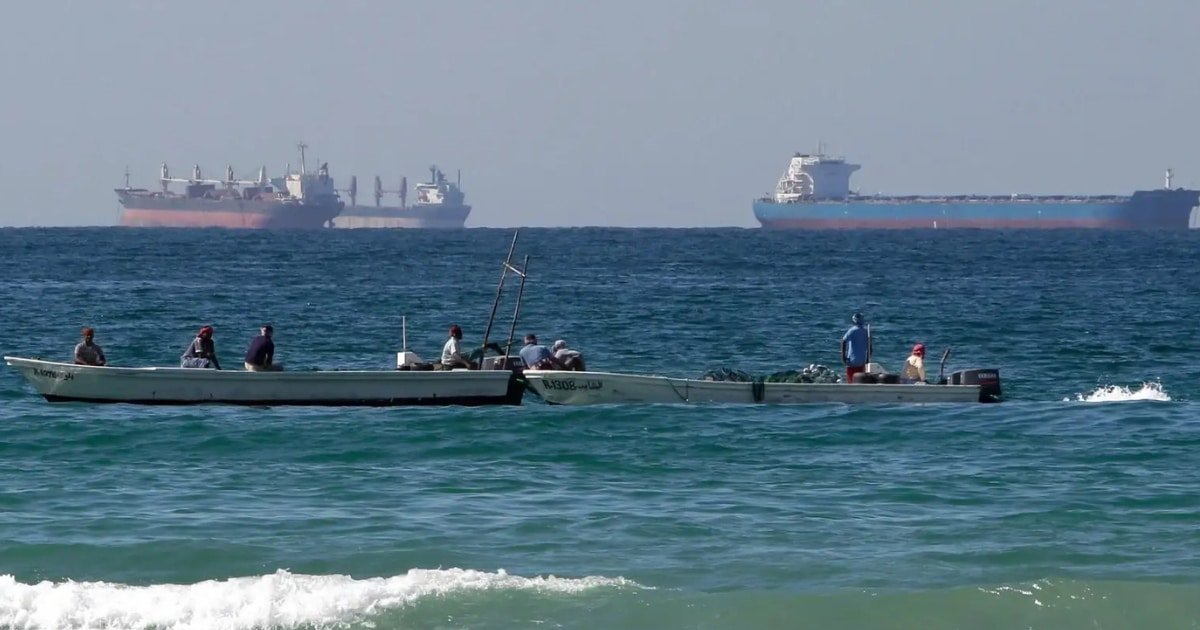


Despite President Donald Trump’s recent vow to “ensure the free flow of energy to the world,” maritime records show that shipping through the Strait of Hormuz remains nearly paralyzed. Since the U.S. government announced a $20 billion reinsurance scheme on Friday to encourage tankers to return to the Gulf, only two vessels not linked to Iran or Russia have attempted the dangerous “chicken run” through the narrow passage. One vessel, a Greek-operated tanker, performed the journey by going “dark” switching off its tracking transponders, while a second bulk carrier prominently signaled that it was Chinese-owned and crewed to avoid being targeted by Iranian forces.
One week into President Trump’s war on Iran, traffic through the Strait of Hormuz has ground to a virtual halt. Now, the most severe shock to energy markets since the 1970s is cascading through the world economy. 🔗 https://t.co/UK1y02lVcx pic.twitter.com/3AG05uLiVY
— The Wall Street Journal (@WSJ) March 9, 2026
The Strait of Hormuz, which typically handles about 100 vessels daily and 20% of global petroleum consumption, has been effectively closed by Iranian missile and drone barrages. Analysts note that even record-high freight rates and the new U.S. insurance subsidies have failed to entice shipowners, who remain terrified of the risk of being struck. While the U.S. has suggested using naval escorts, insurers warn that such a move could backfire by making commercial tankers more visible targets. Currently, the only steady traffic consists of Iranian vessels and the “dark fleet” associated with Russian energy exports, which appear to have safe passage.
You May Like To Read: Pakistan Condemns Israeli Strikes in Lebanon Amid Massive Displacement
Global energy markets remain on edge as G7 finance ministers meet to discuss emergency measures. Although oil prices briefly touched $119 a barrel, the highest since the 2022 invasion of Ukraine, they saw a volatile drop after President Trump suggested the war could end “very soon.” However, freight experts warn that without a diplomatic solution or a complete degradation of Iran’s flat-structure military capabilities, the energy deadlock could last for months. The G7 has not yet reached an agreement on releasing strategic crude reserves, a move that would signal the most significant intervention in global energy markets in years.
Check out our latest video: