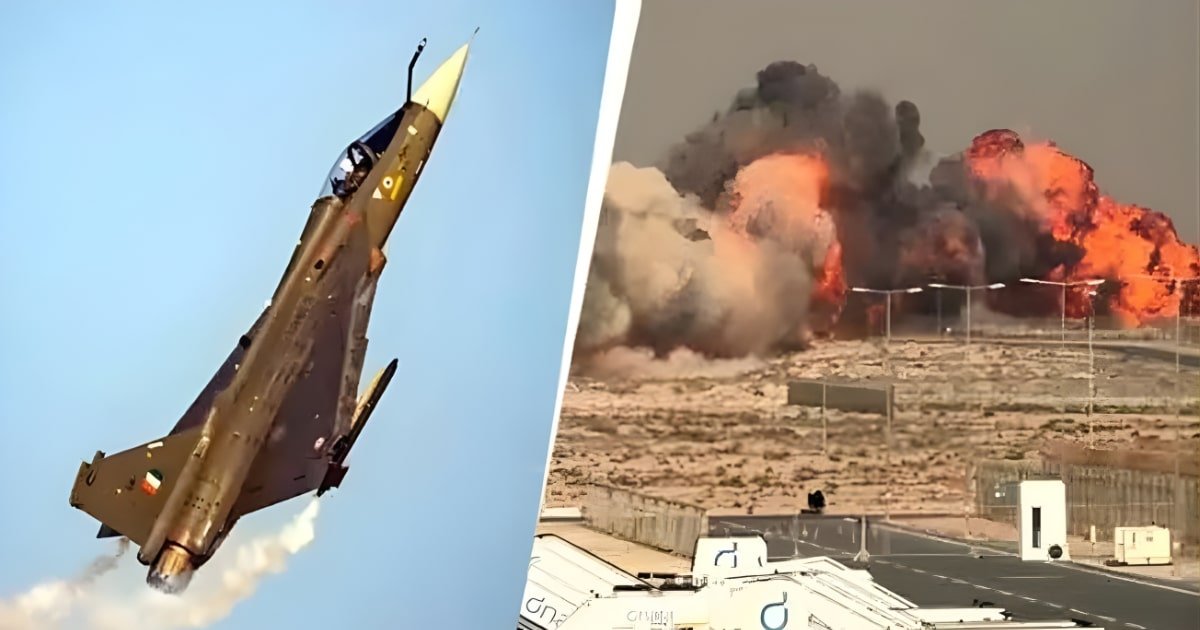



The crash of India’s HAL Tejas Mark 1A fighter aircraft during an aerobatic demonstration at the Dubai Air Show has triggered renewed scrutiny of India’s air force modernisation programme and raised questions over the aircraft’s operational reliability and export potential.
The incident occurred during a low-level maneuver in front of international defence delegates and resulted in the death of a senior Indian Air Force (IAF) pilot. The crash has dealt a reputational setback to India’s aerospace sector, particularly as the Tejas platform is being promoted as a cornerstone of indigenous defence production and a prospective export product.
You May Like To Read: Johannesburg’s G20: An Opening Where the Global South Demands More than Platitudes
The IAF has initiated an official investigation to determine the cause of the accident, including the possibility of mechanical failure, pilot error, or technical malfunction. This marks the second crash involving the Tejas platform in less than two years, following a similar incident during a training sortie in Rajasthan in March 2024.
Defence analysts note that while Tejas is positioned as a replacement for aging Soviet-era aircraft such as the MiG-21, MiG-23 and MiG-27, it continues to face developmental challenges, production delays and performance limitations when compared with fifth-generation fighters operated by regional competitors, particularly China’s J-20 and J-16 platforms.
Only 38 Tejas Mark 1A aircraft have so far been inducted into the IAF, far below the intended scale, with delays largely attributed to engine supply constraints from US-based GE Aerospace. These delays have further exacerbated the IAF’s declining squadron strength, currently estimated at 29 squadrons, significantly below the sanctioned strength of 42.
Security experts warn that the shrinking fleet and slow procurement process could undermine India’s aerial combat readiness, especially amid evolving regional dynamics and heightened competition with China and Pakistan. Calls have intensified for faster procurement, structural reforms, and balanced integration of private sector participation to strengthen India’s defence capabilities.
The incident underscores the broader challenges confronting India’s military aviation sector, balancing self-reliance ambitions with technological readiness and strategic necessity.