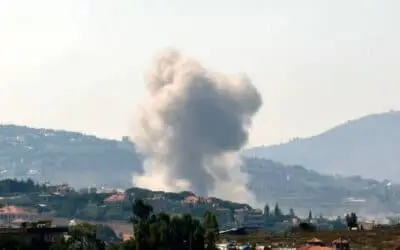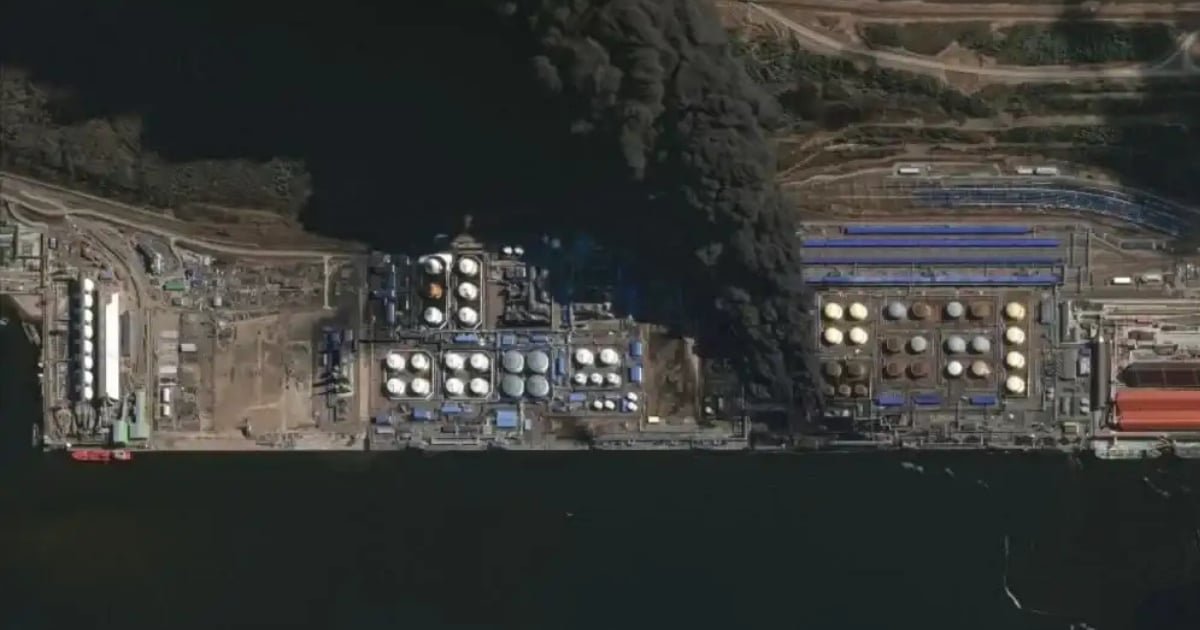




Ukrainian drone forces have launched a series of devastating strikes against Russia’s primary oil export infrastructure, effectively halting nearly half of the country’s Baltic sea trade. Satellite imagery and verified data from BBC Verify and the Centre for Research on Energy and Clean Air (Crea) confirm that three major facilities in the Leningrad region, Ust-Luga, Primorsk, and the Kirishi refinery have been burning since March 23, 2026. This marks the first time since the 2022 invasion that Russia’s Baltic ports have seen two consecutive days with zero oil loading activity.
@AMTCoffeeLtd Your new spiced apple number seems to have miraculous heat retention properties. Why won’t it cool?! #energycrisissolved
— ✧ 🄰 🅂 🄸 🄼 ✧ 🄸 🄻 🅈 🄰 🅂 ✧ (@asim_ilyas) April 24, 2014
The timing of these strikes is critical. While Russia has seen a revenue windfall of approximately £7.1bn in the last three weeks due to the U.S.-Israel-Iran war driving up global prices, Ukraine is moving to “demilitarize” the infrastructure that funds Moscow’s war effort. However, the success of these strikes has created a diplomatic rift; Zelensky admitted on Monday that Western allies have asked Kyiv to scale back attacks on Russian energy to prevent the global energy crisis from spiraling out of control.
You May Like To Read: Iranian FM Abbas Araghchi Confirms Direct Channel to Steve Witkoff, but Dismisses Negotiations
Check out our latest video: