




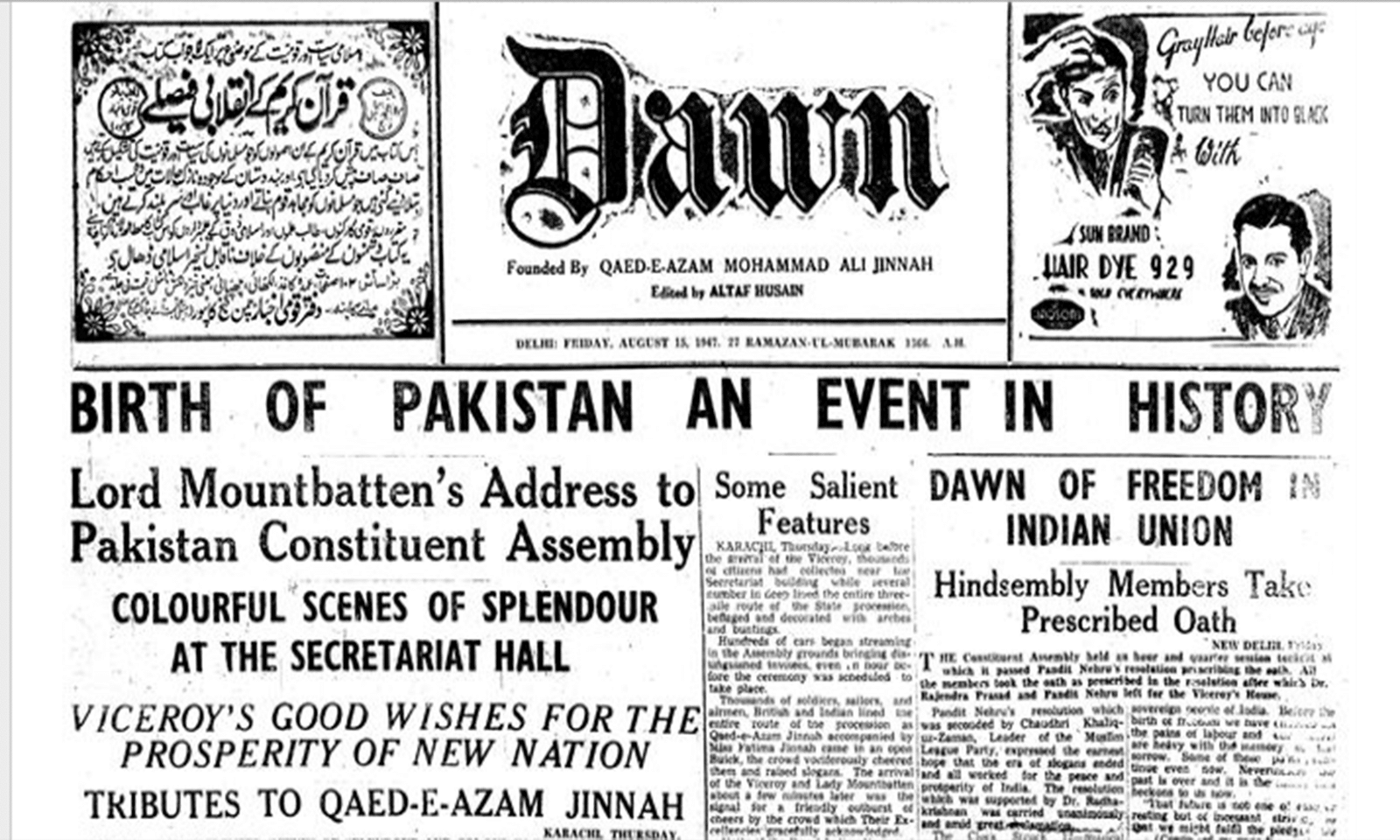
Pakistan’s Independence Day, celebrated on August 14th, is more than just a public holiday; it is a profound national commemoration of the country’s birth. This day marks the culmination of a long and arduous struggle led by figures like Muhammad Ali Jinnah, who spearheaded the movement for a separate homeland for the Muslims of British India. The achievement of independence in 1947 was not just a political event but the realization of a decades-long dream, a testament to the collective will of a people seeking a distinct identity and self-determination.
The significance of this day lies in its powerful reminder of the sacrifices made and the profound challenges overcome to forge a sovereign nation. It serves as a moment of reflection on the principles of justice, equality, and faith that were envisioned by its founders.
The Genesis of a Nation: The Two-Nation Theory
The struggle for Pakistan’s independence was rooted in the Two-Nation Theory, a pivotal concept that formed the ideological basis for the state’s creation. This theory, championed by the All-India Muslim League, posited that Hindus and Muslims were two distinct nations with their own unique cultures, religions, traditions, and social structures. They could not coexist in a single, unified state without the risk of one dominating the other.
You May Like To Read: Chaudhary Rehmat Ali, The Man Who Gave the Name Pakistan
This idea, particularly articulated by Allama Muhammad Iqbal and championed by Muhammad Ali Jinnah, argued that Muslims needed a separate homeland to safeguard their religious, cultural, and political rights. The theory became the driving force behind the demand for Pakistan, a demand that gained momentum in the early 20th century as Muslim political consciousness grew. On August 14, 1947, this theory was translated into reality with the Partition of India, giving birth to a new Muslim-majority nation on the world map.
The Human Cost and the Spirit of Unity
The joy of independence was inextricably linked with the immense human cost of Partition. The creation of Pakistan led to one of the largest mass migrations in human history. Millions of people, both Muslims and non-Muslims, were displaced, and the journey across the newly drawn borders was fraught with unimaginable violence, hardship, and loss of life. Families were torn apart, and communities that had lived side-by-side for centuries were suddenly on opposite sides of a political divide. The trauma of Partition is a somber and enduring memory, reminding Pakistanis of the immense sacrifice that was made for the country’s existence.
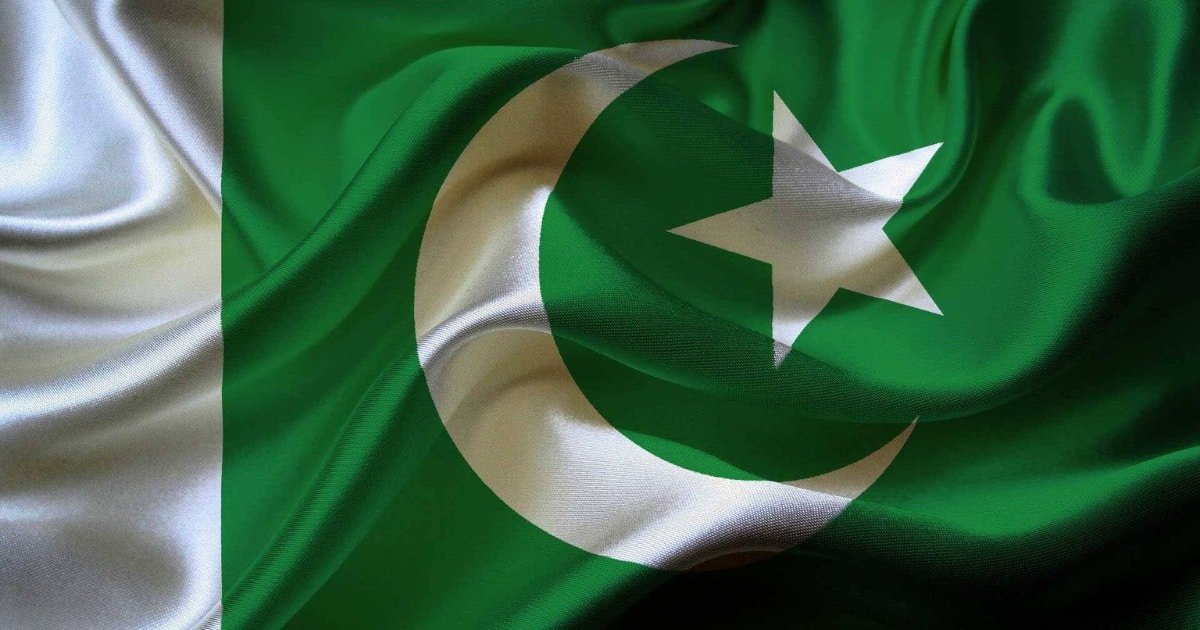
Despite this tragic backdrop, the spirit of unity and resilience that emerged was remarkable. The citizens of the nascent nation were united by a shared vision of a state built on the principles of Islam, democracy, and social justice. This spirit is what is celebrated on August 14th, as a testament to the collective strength and determination that allowed the nation to overcome its initial tribulations and begin the long, difficult process of nation-building. The Pakistani flag, with its green field, white stripe, and crescent moon and star, symbolizes this identity and purpose: the green represents the Muslim majority, the white stripe represents religious minorities, and the crescent and star symbolize progress and light.
A Day of Reflection and National Pride
On August 14th, the entire country comes alive with a profound sense of patriotism. The day’s events begin with a 31-gun salute in the federal capital and a 21-gun salute in the provincial capitals. The national flag is hoisted at all government buildings, and iconic landmarks are illuminated with the colors of the national flag. The day is marked by military parades, flag-hoisting ceremonies, and special television and radio programs that recount the history of the freedom movement. People of all ages participate in these festivities, dressing in green and white, waving flags, and singing patriotic songs. It’s a day when the nation’s history is celebrated, its heroes are remembered, and its future is envisioned with renewed hope.
You May Like To Read: Pakistan and U.S. Reaffirm Commitment to Counterterrorism in Islamabad Dialogue
However, Independence Day is also a time for critical reflection. The founders of Pakistan envisioned a modern, progressive, and democratic Islamic state. The day offers an opportunity for a national conversation about the country’s journey since 1947, acknowledging both its successes and the challenges it continues to face. It’s a moment to take stock of the progress made in areas like education, economy, and social development, while also recognizing the persistent issues of political instability, economic inequality, and security threats.
The spirit of self-determination and the desire to build a prosperous nation, which defined the 1947 movement, remains a guiding principle for generations of Pakistanis. Independence Day, therefore, is a powerful reminder that the work of nation-building is a continuous process, requiring a renewed commitment from every citizen to uphold the ideals upon which the country was founded. It is a day to celebrate the past, reflect on the present, and dedicate oneself to a better future.