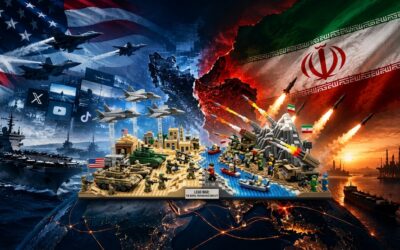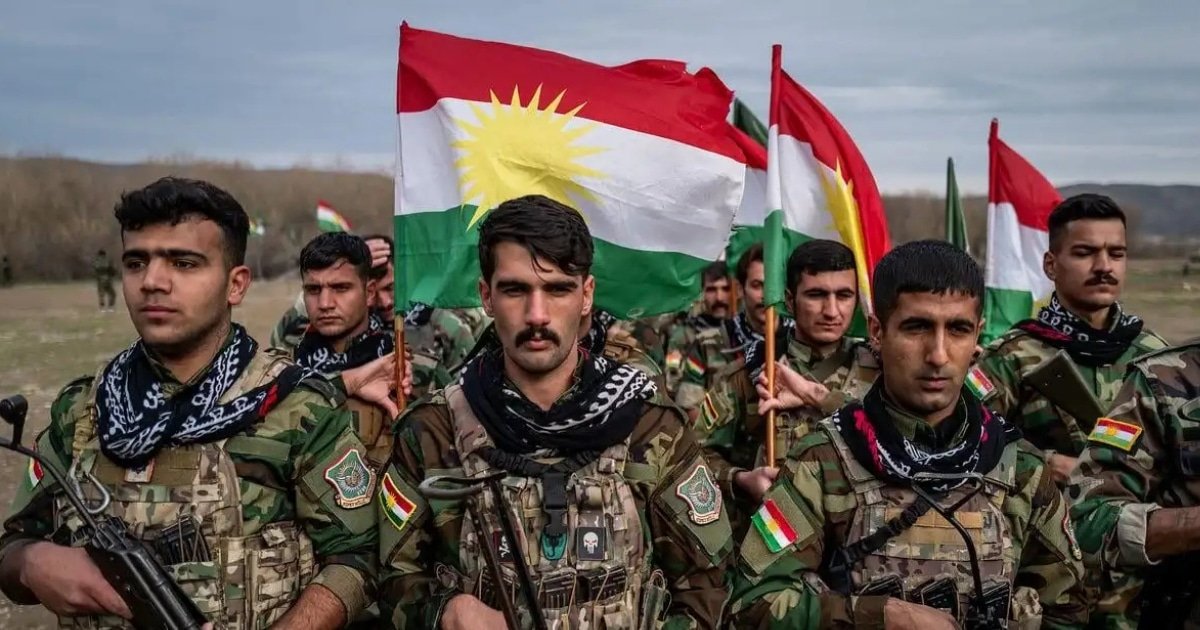





As the U.S.-Israel-Iran war enters its second week, a geopolitical rift is widening within the Kurdish diaspora. Kurdish residents and political leaders in northeast Syria have issued a stark “warning from experience” to Iranian Kurdish militias (Peshmerga), urging them to exercise extreme caution before acting as the “spearhead” for Washington’s ground campaign against Tehran.
The warning comes as Reuters and Al Jazeera report high-stakes consultations between the Trump administration, Israel, and exiled Iranian Kurdish groups based in northern Iraq, such as the Khabat Organisation and the Kurdistan Democratic Party of Iran (KDPI).
BREAKING: US President Trump has said he supports Kurdish forces launching an offensive against Iran, in comments made during an interview with Reuters news agency.
🔴 LIVE updates: https://t.co/4JRaLjteDm pic.twitter.com/YQUXxNFjN2
— Al Jazeera English (@AJEnglish) March 5, 2026
The “Betrayal” of Qamishli: A Lesson in Realpolitik
The sentiment in Qamishli is one of deep-seated bitterness. For over a decade, Syrian Kurds were the primary boots-on-the-ground for the U.S. in the fight against ISIS. However, the recent fall of their semi-autonomous zone to President Ahmed al-Sharaa’s new Syrian army in January 2026—and Washington’s subsequent refusal to intervene—has left them feeling abandoned.
-
The Syrian Warning: “I hope the Kurds of Iran will not ally themselves with America, because they will abandon them,” said Saad Ali, a resident of Qamishli. “Tomorrow, if an agreement is made between the U.S. and the Iranians, they will eliminate you.”
-
Demand for Guarantees: Amjad Kardo, another resident, emphasized that Iranian Kurds should not fire a single shot without “firm, signed guarantees” from Washington regarding the future of Kurdish regions—protections that the Syrian Kurds notably lacked.
“In my opinion, the Kurds in Iran should maintain a firm stance: they will not engage in any wars within Iranian territory without firm, signed guarantees from the United States regarding the future of these Kurdish regions in Iran,” said Amjad Kardo, a 26-year-old Syrian Kurd in… https://t.co/gRLyE4QgfY
— Mehmet Tatlı (@mehmetstatli) March 8, 2026
U.S.-Israel Coordination and the “Wonderful” Incursion
Despite these warnings, the momentum for a Kurdish-led ground front in western Iran is building:
-
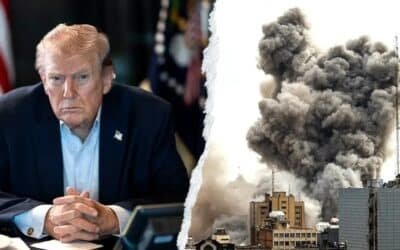
The Trump Factor: President Donald Trump told Reuters it would be “wonderful” if Kurdish forces crossed into Iran, though he has wavered on whether the U.S. would provide air support, later stating he “doesn’t want Kurdish fighters going into Iran” to avoid further entangling U.S. ground forces.
-
The Israeli Connection: Israel has reportedly been in talks with these insurgent groups for over a year, providing intelligence and potentially “softening” targets in western Iran via airstrikes to pave the way for a ground push.
-
The Khabat Declaration: Babasheikh Hosseini, Secretary-General of the Khabat Organisation, stated it is “highly likely” a cross-border operation will occur, noting that while no direct meeting has happened, the U.S. has established contact through “various channels.”
‘You’re either with US or Iran’: Trump presses Kurds to join fight against Tehran
Trump discussed providing extensive US air cover and additional support to Iranian Kurdish groups, according to sources, as part of a plan to help t…https://t.co/DgAzQqKn3d pic.twitter.com/g2X5KFHNNK
— Ynet Global (@ynetnews) March 5, 2026
Regional Blowback: IRGC Strikes and Iraqi Sovereignty
The prospect of a Kurdish incursion has already triggered a violent response from Tehran:
-
IRGC Strikes: The Islamic Revolutionary Guard Corps (IRGC) targeted three locations of “separatist groups” in Iraqi Kurdistan on Saturday, vowing to “crush” any move against Iran’s territorial integrity.
-
Baghdad’s Dilemma: Iraqi Prime Minister Mohammed Shia al-Sudani and Kurdish President Nechirvan Barzani have issued a joint plea, insisting that Iraqi territory must not be used as a launching point for attacks against neighbors.
-
Energy Attacks: In a coordinated escalation, drones have struck airports and oil facilities in Basra and Erbil, with the U.S. embassy warning of potential attacks on hotels frequented by foreigners in the Kurdish region.
Who are the Kurds? Identity, Ideology, and Stakes
The Kurds are an indigenous ethnic group of roughly 30 to 45 million people, often described as the largest ethnic group in the world without a state of their own.
Historical Context
-
Post-WWI Displacement: Following the collapse of the Ottoman Empire, the 1920 Treaty of Sèvres promised a Kurdish state, but the subsequent 1923 Treaty of Lausanne divided their ancestral lands between the modern states of Turkey, Iraq, Iran, and Syria.
-
Identity: They are predominantly Sunni Muslims (though they include significant Shia, Alevi, and Yazidi minorities) and speak Kurdish, an Indo-European language closely related to Farsi (Persian).
Stakes in Iran
Iranian Kurds (estimated at 8–10 million) primarily inhabit the provinces of West Azerbaijan, Kurdistan, Kermanshah, and Ilam.
-
Historical Demands: Their struggle has historically focused on cultural autonomy (the right to speak and teach Kurdish) and political federalism within a democratic Iran.
-
The “Mahsa Amini” Legacy: The 2022 “Woman, Life, Freedom” protests, sparked by the death of Mahsa Amini (a Kurd), solidified the Kurdish regions as the vanguard of domestic opposition to the Islamic Republic.
You May Like To Read: Operation Ghazab Lil Haq: Army Destroys Terrorist Posts on Border
Ideology vs. Armed Struggle
The Iranian Kurdish groups are not “mercenaries” but highly ideological organizations:
-
Democratic Confederalism/Nationalism: Most groups, like the KDPI or Komala, have leftist or social-democratic roots. They frame their struggle as a fight for secularism, women’s rights, and ethnic pluralism.
-
Armed Wing (Peshmerga): While they maintain armed wings (Peshmerga), they have historically operated as a “state-in-exile” in northern Iraq, only engaging in kinetic operations when triggered by Iranian state crackdowns or regional shifts.
Check out our latest video: