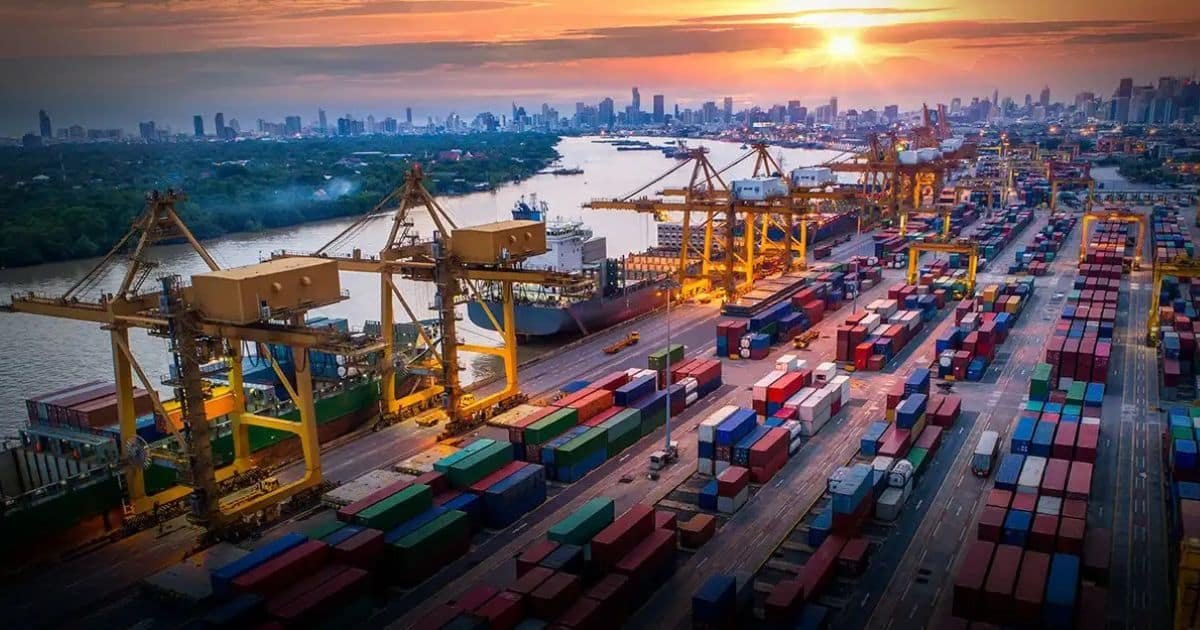


Pakistan has long navigated a crowded field of trade institutions and regional clubs. As a World Trade Organization (WTO) member since 1995, and an active participant in regional groupings such as the Shanghai Cooperation Organisation (SCO), Pakistan must now weigh whether to join wider frameworks like the Regional Comprehensive Economic Partnership (RCEP) or deepen ties inside the SCO. Each path carries different demands, legal, regulatory and political, and could change how Pakistani firms compete, how tariffs and rules are set, and how foreign investment flows into key sectors.
Pakistan and the WTO: A Platform that still matters
The WTO remains Pakistan’s legal backbone for multilateral trade. It provides dispute-settlement rules, tariff bindings and technical tools for trade facilitation that Pakistan has used in past reforms. Pakistan has recently engaged with WTO initiatives, including investment facilitation discussions, and has rolled out national roadmaps to implement trade facilitation measures. Yet Pakistan faces structural challenges: high average tariffs, a complex tariff regime, and weak export diversification that constrain benefits from basic WTO membership. Modernising customs, reducing exemptions, and meeting WTO transparency obligations would improve competitiveness, but that requires sustained reforms across ministries and strong political backing.
RCEP: Doorway to Asia’s supply chains or a risk to local industry?
RCEP, the Asia-Pacific megaregional trade pact, now binds the region’s biggest manufacturing and services markets. Pakistan is not a member, but policymakers and analysts have discussed the advantages of closer integration with ASEAN+5 economies, given Pakistan’s strong trade links with China and growing ties to ASEAN partners. Joining RCEP or signing complementary FTAs could grant Pakistani exporters better market access and smoother rules for regional supply-chains, especially for textiles and agricultural goods. However, RCEP’s high-standard provisions and tariff liberalisation can expose small local firms that lack capacity to meet rules of origin, sanitary standards or competitive pressure from larger producers. To benefit, Pakistan would need parallel domestic reforms: upgrading industrial standards, simplifying tariffs, and investing in logistics and digital trade readiness.
SCO Engagement: Security, Infrastructure and Economic diplomacy
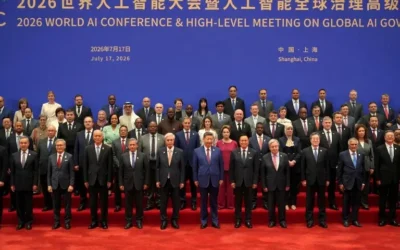
Pakistan’s involvement in the SCO has been driven by a mix of security diplomacy and economic aims. Over SCO meetings is September 2025, Pakistan has emphasised connectivity projects, CPEC-related cooperation and trade facilitation with neighbouring members. The SCO is not principally a free-trade body, but it creates political space for project financing, infrastructure talks and regional arrangements that can complement trade agreements. Pakistan’s chairing of SCO-RATS (the SCO’s anti-terrorist structure) this year also reflects strategic priorities that intersect with investor confidence; stability and clear security guarantees are repeatedly cited by partners as pre-conditions for deeper economic cooperation.
You May Also Read: Between Unity, and Division: Testing the Strength of the SCO Bloc
Strategic Risks Pakistan must manage
Pursuing multiple integration paths brings clear risks. First, exposure risk; joining RCEP or deep FTAs without domestic cushions could undermine nascent industries and widen trade deficits in sensitive sectors. Second, governance risk; high tariffs, regulatory unpredictability and weak contract enforcement dissuade the long-term investment that regional integration promises. Third, geopolitical risk. Aligning too closely with one bloc can limit policy manoeuvre with others; Pakistan must balance ties with China, ASEAN states, and Western partners carefully. Lastly, implementation risk. Even well-intentioned commitments at WTO or regional forums fail if Pakistan’s customs, SPS (sanitary and phytosanitary) controls, and digital trade rules are not upgraded.
You May Also Read: UNCTAD Chief Warns Global Trade System Under Threat as Tariffs Skyrocket and Debt Crisis Halts Development
Strategic Opportunities on offer
The upside is tangible. Deeper access to RCEP markets could open high-value garments, leather and processed food sectors to faster growth and integration into regional value chains. SCO cooperation can attract infrastructure investment and ease land-based trade routes into Central Asia. Better use of WTO mechanisms and implementation of trade facilitation reforms would reduce border costs for exporters and strengthen Pakistan’s case for investment. In 2025, the high-level trade dialogues and Chinese investment pledges; including major project announcements tied to CPEC, show external appetite for projects that can be harnessed if Pakistan improves governance and investor protections.
What Pakistan must do now: Practical Policy Steps
To convert opportunity into growth Pakistan should prioritise three practical steps. First, speed up tariff rationalisation and simplify exemptions so exporters face predictable duties and input costs. Second, invest in export-facing infrastructure, ports, cold chains, standards labs and digital customs, that let firms meet regional rules. Third, negotiate accession or FTA terms selectively: seek transition periods for sensitive sectors, and secure technical assistance for rules of origin, SPS compliance and services commitments. Complementary reforms in tax, labour and digital governance will reduce the risk that greater market access simply imports competition without local gains.
A Realistic Outlook for 2026 and Beyond
Pakistan cannot leapfrog constraints overnight, but it can reframe regional engagement as a tool of industrial policy. By sequencing reforms; trade facilitation and standards upgrades first, then selective accession talks, Pakistan can gain negotiating leverage while protecting vulnerable producers. Success will depend on cross-government coordination, credible promises to investors, and a sustained push to cut corruption and regulatory unpredictability that international lenders and partners repeatedly flag as growth barriers. If these pieces fall into place, Pakistan could begin to translate diplomacy at the SCO and trade talks with RCEP members into measurable export gains within a few years.
You May Also Read: Economic Nationalism and the End of Globalization 2.0: What Comes Next?
Conclusion: Balance, Reform and Ownership
Pakistan sits at a strategic crossroads: multilateral rules at the WTO, the market scale of RCEP, and the regional connectivity of the SCO each offer distinct benefits. The right mix is not about choosing one forum and ignoring others; it is about sequencing commitments, shoring up domestic competitiveness, and using diplomacy to secure time and support for transition. With clearer tariffs, stronger institutions, and targeted investment in standards and logistics, Pakistan can turn regional invitations into durable growth that benefits exporters, workers and investors alike.
Check out our latest video: