



The World Health Organization (WHO) is taking a leading role in coordinating the response to a recent hantavirus outbreak affecting passengers aboard the MV Hondius cruise ship. WHO Director-General Tedros Adhanom Ghebreyesus will arrive in Tenerife on Saturday to work alongside Spanish health and interior ministers at a central command post. Their focus will be on ensuring seamless coordination between various agencies, maintaining strict health controls, and implementing comprehensive surveillance and response protocols.
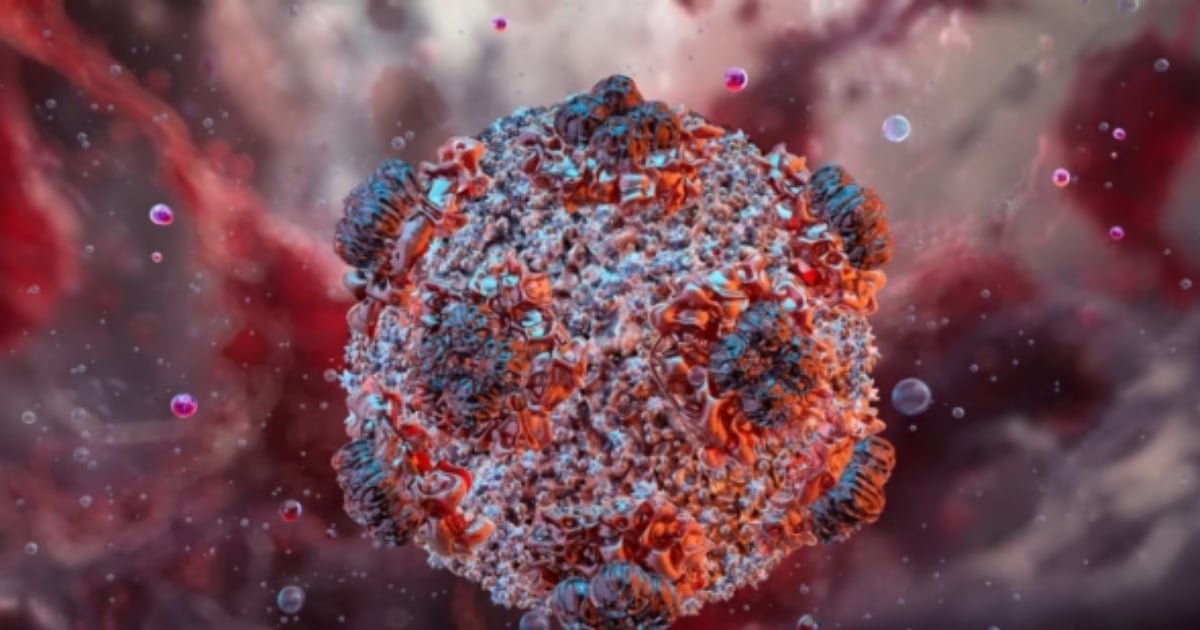
Hantaviruses are zoonotic viruses that naturally infect rodents and can occasionally spread to people.
Here’s what you need to know about #hantavirus: What they are, how they spread, the symptoms, and how to prevent infection pic.twitter.com/pduUjlwl2j
— World Health Organization (WHO) (@WHO) May 8, 2026
The outbreak, which has tragically resulted in the deaths of three passengers – a Dutch couple and a German woman – has raised international concern due to the confirmation of the Andes virus strain, known for its potential for human-to-human transmission.
The MV Hondius, carrying approximately 150 individuals, is scheduled to arrive in Tenerife on Sunday. Passengers will then be transported via special flights to their respective home countries.
Despite the severity of the situation, the WHO has reassured the public that the overall risk of hantavirus transmission remains minimal. WHO Spokesman Christian Lindmeier emphasized that the virus poses a significant threat primarily to those directly infected, with limited potential for widespread contagion. Preliminary observations from the MV Hondius suggest that even close contacts, such as cabinmates, do not necessarily contract the virus when one person falls ill.
As of Friday, six confirmed cases of hantavirus have been identified out of eight suspected cases. No further suspected cases remain on the ship.
A KLM flight attendant who had contact with an infected passenger and subsequently displayed mild symptoms has tested negative for hantavirus. The passenger, the wife of the first fatality, had briefly boarded a flight from Johannesburg to the Netherlands on April 25 but was removed before departure. She passed away the following day in a Johannesburg hospital.
Spanish authorities are currently investigating a woman who was seated two rows behind the deceased passenger on the flight and has developed symptoms. She is currently isolated in a hospital in eastern Spain. Another South African woman who was on the same flight and spent a week in Barcelona before returning to South Africa is currently asymptomatic.
Two Singapore residents who were on the ship have tested negative for the disease but will remain in quarantine as a precautionary measure.
The MV Hondius departed Ushuaia, Argentina, on April 1 for a transatlantic cruise to Cape Verde. Three suspected cases, including two crew members who later tested positive, were evacuated from Cape Verde to the Netherlands. A third individual tested negative but remains under observation in Germany.
A health official in Ushuaia stated that the likelihood of the Dutch man contracting the disease in Ushuaia is “almost zero” due to the virus’s incubation period and other factors.
YouTuber Kasem Ibn Hattuta, who is currently on board the Hondius, reported that passengers are relieved by the presence of doctors on the ship and are maintaining a positive attitude. Passengers are adhering to safety measures, including wearing masks indoors and practicing social distancing.
The United States is organizing an evacuation flight for American citizens on the ship, who will be transported to a quarantine facility in Nebraska.
The MV Hondius will anchor off the coast of Tenerife and passengers will be transferred to shore via smaller vessels, followed by bus transportation to the airport. Evacuation efforts are scheduled to take place between Sunday and Monday due to anticipated adverse weather conditions.
Dockworkers in Tenerife staged a protest on Friday in response to the ship’s arrival.
The cruise itinerary included visits to several remote British islands in the South Atlantic. British health authorities have reported a suspected case on Tristan da Cunha, one of the world’s most isolated settlements.
You May Like To Read: USCIRF to Designate India as a “Country of Particular Concern”
Check out our latest video: