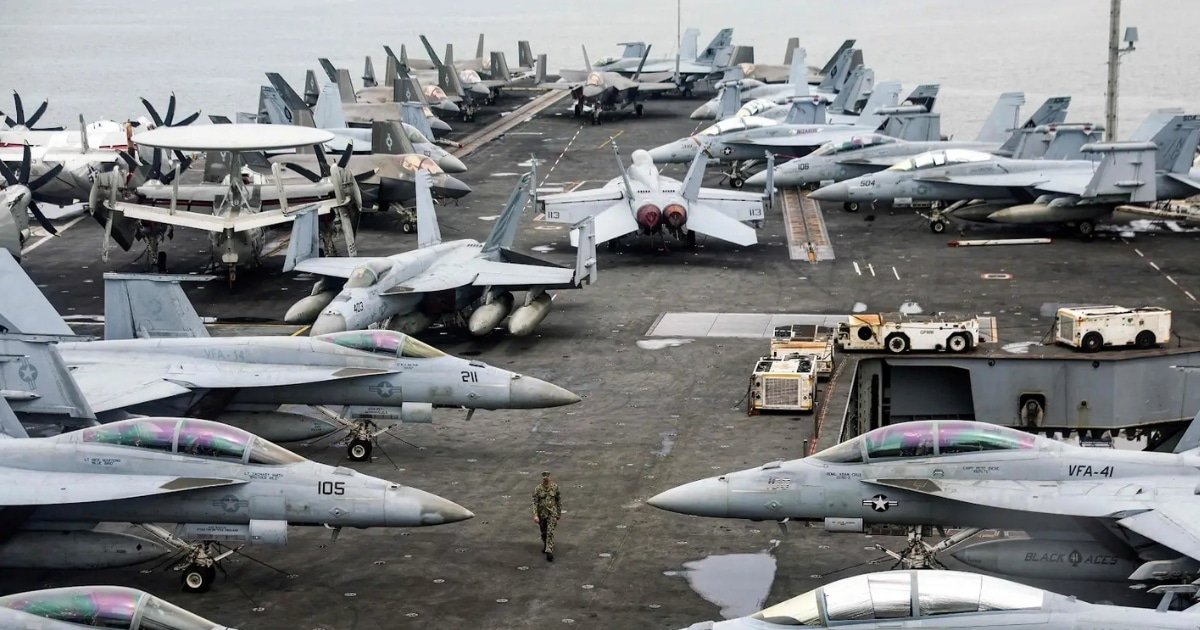




A U.S. military spokesman confirmed today that an F-35C stealth fighter jet, operating from the USS Abraham Lincoln, successfully intercepted and shot down an Iranian drone that “aggressively approached” the aircraft carrier in the Arabian Sea on Tuesday.
Middle-East Tension: US Shoots Down Iranian Drone Approaching Aircraft Carrier On Arabian Sea | Sahara Reporters https://t.co/p7SCOpJfPj pic.twitter.com/qpLiW9KhWL
— Sahara Reporters (@SaharaReporters) February 4, 2026
Incident Overview
According to U.S. Central Command (CENTCOM) spokesman Capt. Tim Hawkins, the engagement was conducted “in self-defense” to ensure the safety of the aircraft carrier and its personnel. The encounter occurred approximately 500 miles from the Iranian coast.
- Outcome: No U.S. equipment was damaged, and no service members were harmed during the operation.
- Intent: The drone approached the carrier strike group with “unclear intent,” prompting the immediate response.
Maritime Security in the Strait of Hormuz
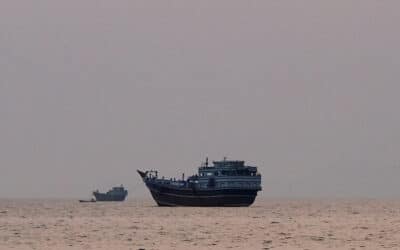
In a separate but related incident on Tuesday, the U.S. military reported that Islamic Revolutionary Guard Corps (IRGC) forces harassed a US-flagged and crewed merchant vessel in the Strait of Hormuz. U.S. military support was deployed to de-escalate the situation, allowing the tanker to proceed safely through the world’s busiest oil shipping channel.
Diplomacy Amidst Escalation
Despite the military friction, the White House maintains that diplomatic channels remain open. Press Secretary Karoline Leavitt confirmed that negotiations between Washington and Tehran are still scheduled for later this week.
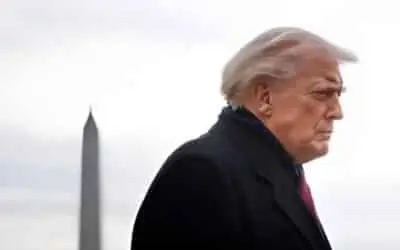
- U.S. Stance: President Trump remains committed to “pursuing diplomacy first,” while emphasizing that a full range of military options remains on the table.
- Negotiation Shift: Reports indicate that at Tehran’s request, the summit venue has shifted to Oman to facilitate a direct meeting between Iranian and U.S. officials, moderated by regional partners. U.S. Special Envoy Steve Witkoff is set to attend.
You May Like To Read: Spain to Crack Down on “Digital Wild West” as Global Momentum Grows for Youth Social Media Bans
Regional Context
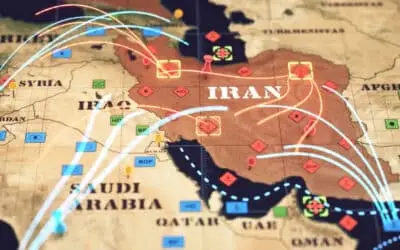
The incident follows a period of heightened kinetic activity, including previous U.S. strikes on Iranian nuclear enrichment facilities. While Iran’s President Masoud Pezeshkian has expressed readiness to negotiate under “suitable environments,” Supreme Leader Ayatollah Ali Khamenei has warned that further attacks could trigger a “regional war.”
The U.S. continues to monitor the humanitarian situation within Iran, following reports from human rights agencies regarding the heavy toll of recent internal unrest.
Check out our latest video: