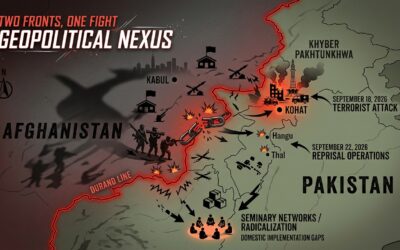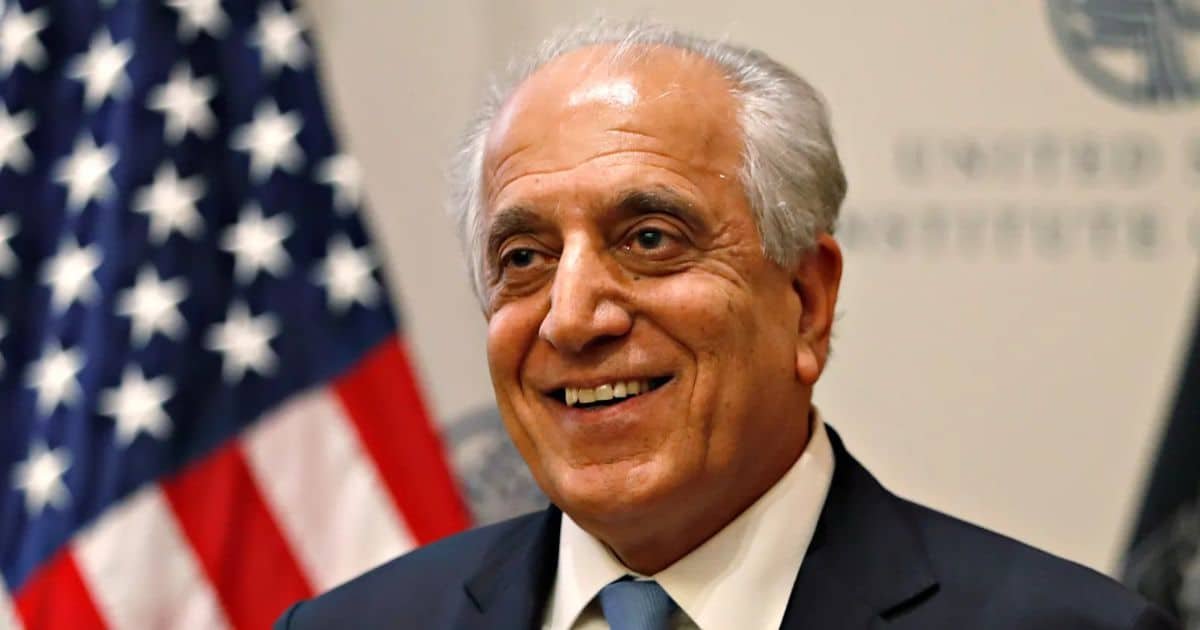





A senior American official and former US Special Representative for Afghanistan Reconciliation, Zalmay Khalilzad, has publicly called on Pakistan to pursue a political settlement with the outlawed Tehreek-i-Taliban Pakistan (TTP) and to seek support from the Afghan Taliban government for such negotiations. The statement, made on social media, comes just days after Pakistan’s top leadership delivered a strong message to Kabul to choose between cooperation with Islamabad or sheltering the militant group.
Khalilzad’s message follows a recent visit to Kabul, where he met with key members of the Afghan Taliban. In his statement, he noted the significant rise in violence in Pakistan, which has resulted in a growing number of casualties among security personnel and citizens. He asserted that a military solution to this challenge would be a mistake, urging Islamabad to “shift to a political strategy and negotiate” with the TTP. He drew a parallel to past US policy, stating, “The Pakistani establishment always advised the US and Afghan government before 2021 to negotiate and seek a political settlement with the Afghan Taliban. The time has come for Pakistan to consider doing the same.”
— Zalmay Khalilzad (@realZalmayMK) September 16, 2025
Conflicting Approaches: Dialogue vs. Ultimatum
The timing of Khalilzad’s remarks is notable, as it directly contrasts with the recent position taken by Pakistan’s top leadership. Just days ago, Prime Minister Shehbaz Sharif, accompanied by Field Marshal Asim Munir, Chief of Army Staff, issued a stern ultimatum to the Afghan Taliban. Speaking in Bannu, the Prime Minister stated, “I want to give a clear message to Afghanistan to choose between Pakistan and TTP.” This firm stance underscored the Pakistani government’s frustration with the alleged use of Afghan soil by terrorist groups to launch attacks against Pakistan.
Despite a history of strong counter-terrorism cooperation with the US, which has been praised by officials like US military’s CENTCOM chief General Michael Kurilla, Khalilzad’s public intervention signals a potential shift in diplomatic messaging. His call for dialogue suggests a preference for a non-military resolution to the cross-border insurgency.
Domestic Political Alignment
Khalilzad’s views resonate with the stance of former Prime Minister Imran Khan, who has also advocated for dialogue to address the escalating militancy in Khyber Pakhtunkhwa. In a recent social media post, Mr. Khan argued that military operations alone could not establish lasting peace and that a political approach was the only viable path. He urged lawmakers from his party, which governs the province, to collaborate with the Chief Minister to resolve the crisis and called on his allies to send a peace delegation to Afghanistan.
This alignment of views between a prominent US official and the former Pakistani prime minister highlights a significant domestic and international debate on the most effective strategy to counter the resurgent threat of terrorism. The ongoing discussions underscore the complex challenge Pakistan faces in balancing military action with diplomatic engagement to ensure the safety and security of its citizens.
You May Like To Read:
- PECA Amendments 2025: Legislative Shift in Cybercrime and Digital Regulation
- Pakistan Stands in Solidarity with Turkiye After Tragic Loss of Soldiers
- Drones, Radars, & Small Arms: The Untapped Potential of Pakistan’s Niche Defence Export
- Pakistan’s Strategic Autonomy in the Trump 2.0 Era
- Promoting Responsible Journalism and Ethical Reporting