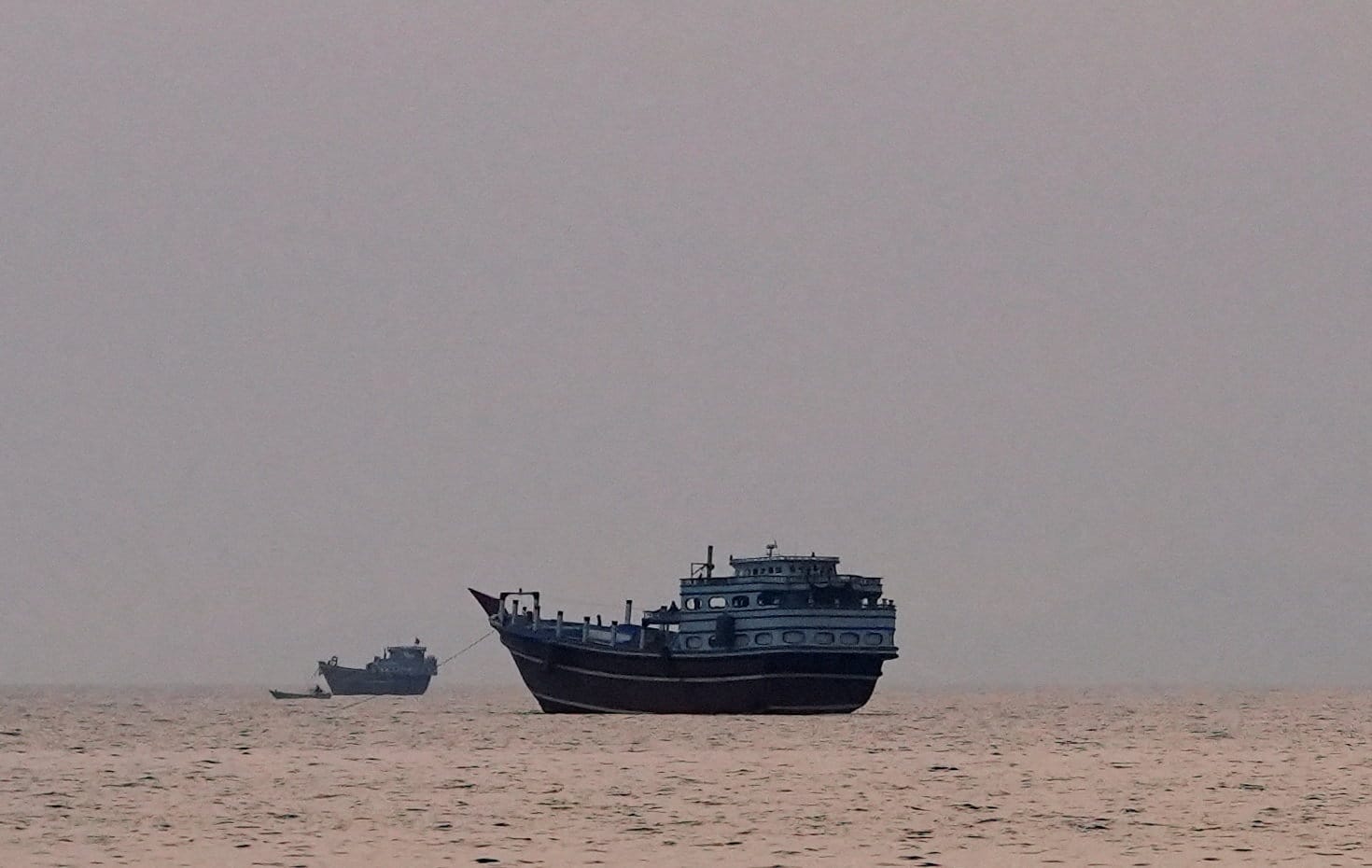





Yemen’s newly appointed Foreign Minister-designate, Afrah al-Zouba, issued a stark warning on Monday, stating that Houthi rebels are actively attempting to replicate Iran’s maritime pressure strategy in the Strait of Hormuz by imposing a coercive blockade over the Bab al-Mandeb Strait.
Speaking from the Yemeni embassy in Riyadh, al-Zouba cautioned that an emboldened Houthi movement threatens to weaponize a second crucial maritime artery, effectively risking the simultaneous closure of the primary gateways to both the Persian Gulf and the Red Sea.
Yemen’s government warns that the Houthis seek to replicate Iran’s Hormuz strategy by targeting shipping routes through the Red Sea’s Bab al-Mandeb Strait, saying limited international action has emboldened the group.
🔗: https://t.co/MBmgfH8c4c pic.twitter.com/Ys3iNYAsVb
— Al Jazeera English (@AJEnglish) July 28, 2026
Escalating Blockades and Maritime Impact
The foreign minister’s warning follows a sharp deterioration in regional maritime security triggered by Houthi missile strikes and the declaration of a naval embargo on Saudi-linked shipping:
Maritime Chokepoint Disruption Overview:
- Bab al-Mandeb Flow: Commodity transit down over 50%, with only 11 vessels passing on Sunday
- Global Trade Exposure: ~30% of global container traffic & 12–15% of total trade relies on the Red Sea
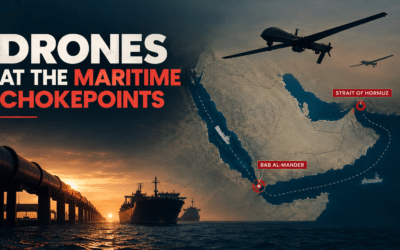
- Dual Threat Axis: Simultaneous interdictions in Strait of Hormuz (Iran) & Bab al-Mandeb (Houthis)
- Regional Impact: Rising marine insurance premiums & forced rerouting around the Cape of Good Hope
-
Precedent of the “Iranian Model”: Al-Zouba emphasized that the Houthis have been encouraged by an insufficient global response to prior shipping attacks. By mimicking Tehran’s tactic of using anti-ship missiles, drone swarms, and naval interdictions, the group aims to create maximum leverage over international energy and trade flows.
-
Deteriorating Red Sea Transit: Commodity vessel traffic through the Bab al-Mandeb dropped sharply to single-digit daily transits following Houthi drone and missile strikes on Saudi port facilities in Jizan and Yanbu, alongside coalition counter-strikes in Hodeidah.
-
Resurgence along Yemeni Frontlines: While no full-scale offensive has been launched, heavy artillery exchanges have resumed along the contact line separating Houthi-controlled territory from government-held areas near Hodeidah, resulting in dozens of combat casualties and threatening the fragile status quo maintained since the 2022 truce.
Strategic Analysis: The Geopolitical Mechanics of “Chokepoint Coercion”
Foreign Minister al-Zouba’s assessment highlights a significant shift in the operational strategy of the Axis of Resistance across the Arabian Peninsula and Western Indian Ocean:
Asymmetric Leverage via Dual Strategic Pincers
By coordinating maritime pressure in both the Strait of Hormuz and the Bab al-Mandeb Strait, Iran and its allied factions have established a dual-pincer chokehold on global commerce. Controlling or disrupting both waterways simultaneously denies energy exporters the ability to bypass Hormuz via Red Sea pipelines (such as Saudi Arabia’s East-West Pipeline to Yanbu), effectively amplifying energy market volatility and complicating Western naval containment strategies.
The Political Objectives of the Houthi Embargo
The Houthi movement’s unilateral embargo on Saudi shipping serves a dual internal and regional purpose. Externally, it aligns the group with broader regional military operations against US and allied presence. Internally, by projecting power across international sea lanes, the Houthis seek to solidify their legitimacy as the dominant authority in Yemen, forcing international actors to negotiate directly with Sanaa rather than the internationally recognized government in Aden.
Pressure on the Internationally Recognized Government and Coalition
For the Saudi-backed Yemeni government, the Houthi expansion into maritime warfare presents an acute dilemma. While the government remains prepared for a military escalation along static frontlines, years of conflict have left its ground forces fragmented. Without sustained international intervention to secure the Red Sea or renewed offensive operations to reclaim Hodeidah’s port infrastructure, the government risks being sidelined while the Houthis dictate the terms of regional security and international trade access.