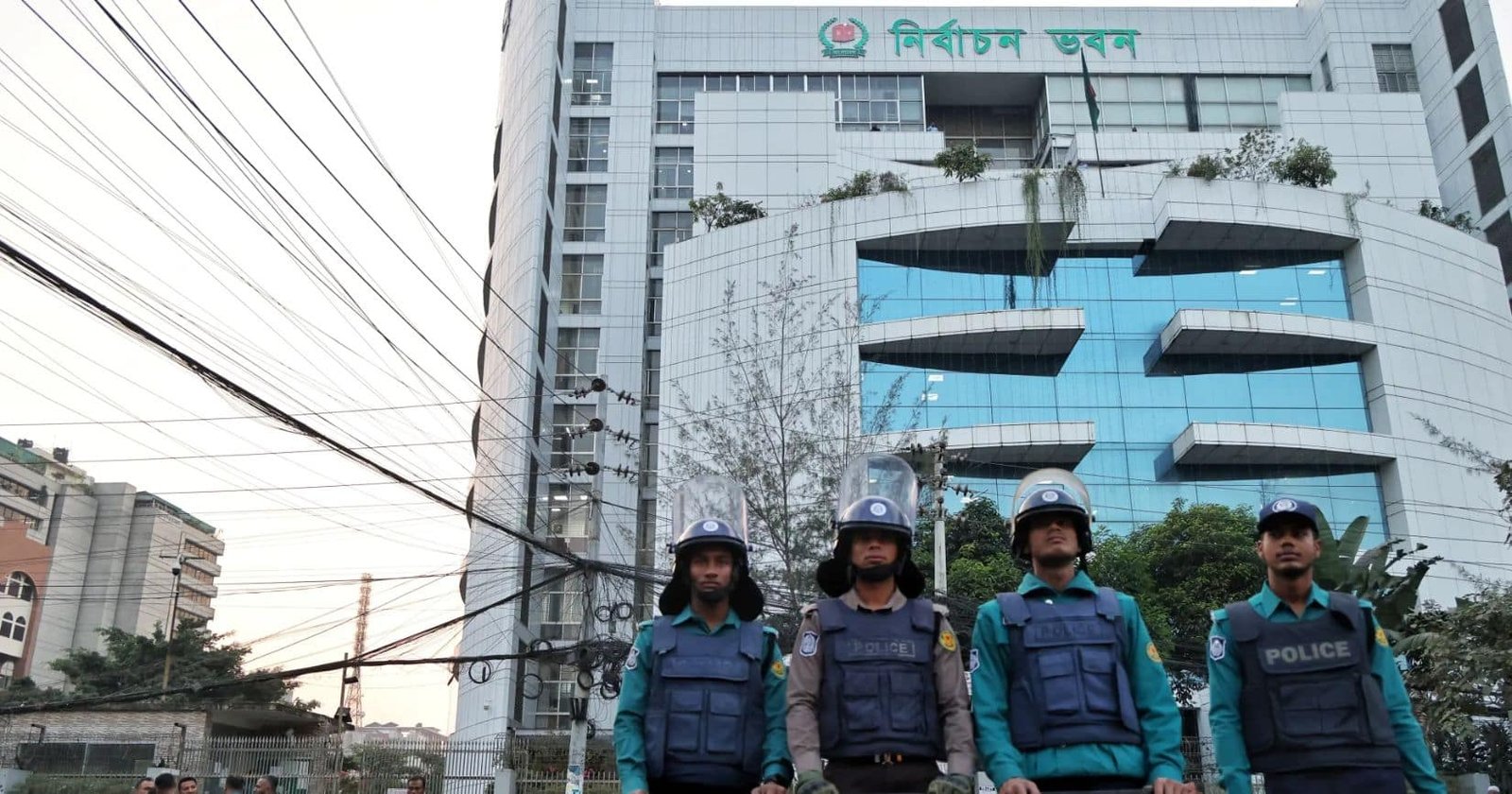





On February 12, 2026, Bangladesh will hold its first national election since the ouster of Sheikh Hasina in 2024. This pivotal vote, overseen by Nobel laureate Muhammad Yunus’s interim government, marks the end of a 18-month transition period. In an unprecedented move, voters will cast two ballots: one for their parliamentary representative and another for a National Referendum on the “July Charter,” a suite of constitutional reforms designed to prevent the return of autocratic rule.
Bangladesh election: Who are the key players and parties? https://t.co/Gr4q6LLWiU pic.twitter.com/o17O07DrO4
— Al Jazeera English (@AJEnglish) February 7, 2026
The 2026 electorate has swelled to 127 million registered voters, including 5 million first-time voters and 15 million expatriates who are eligible to vote via post for the first time. With the Awami League suspended from the contest, the political arena has shifted to a “bipolar contest” between the Bangladesh Nationalist Party (BNP), led by the recently returned Tarique Rahman, and a rising 11-party alliance anchored by the Jamaat-e-Islami and the student-led National Citizen Party (NCP).
As the “Gen Z” generation, which led the 2024 uprising, steps into the booths, the primary focus remains on unemployment and economic revival. While the BNP currently holds a narrow polling lead, the resurgence of the Jamaat and the influence of student leaders from the NCP make the outcome highly unpredictable.
You May Like To Read: