




Historic Mandate and Political Power
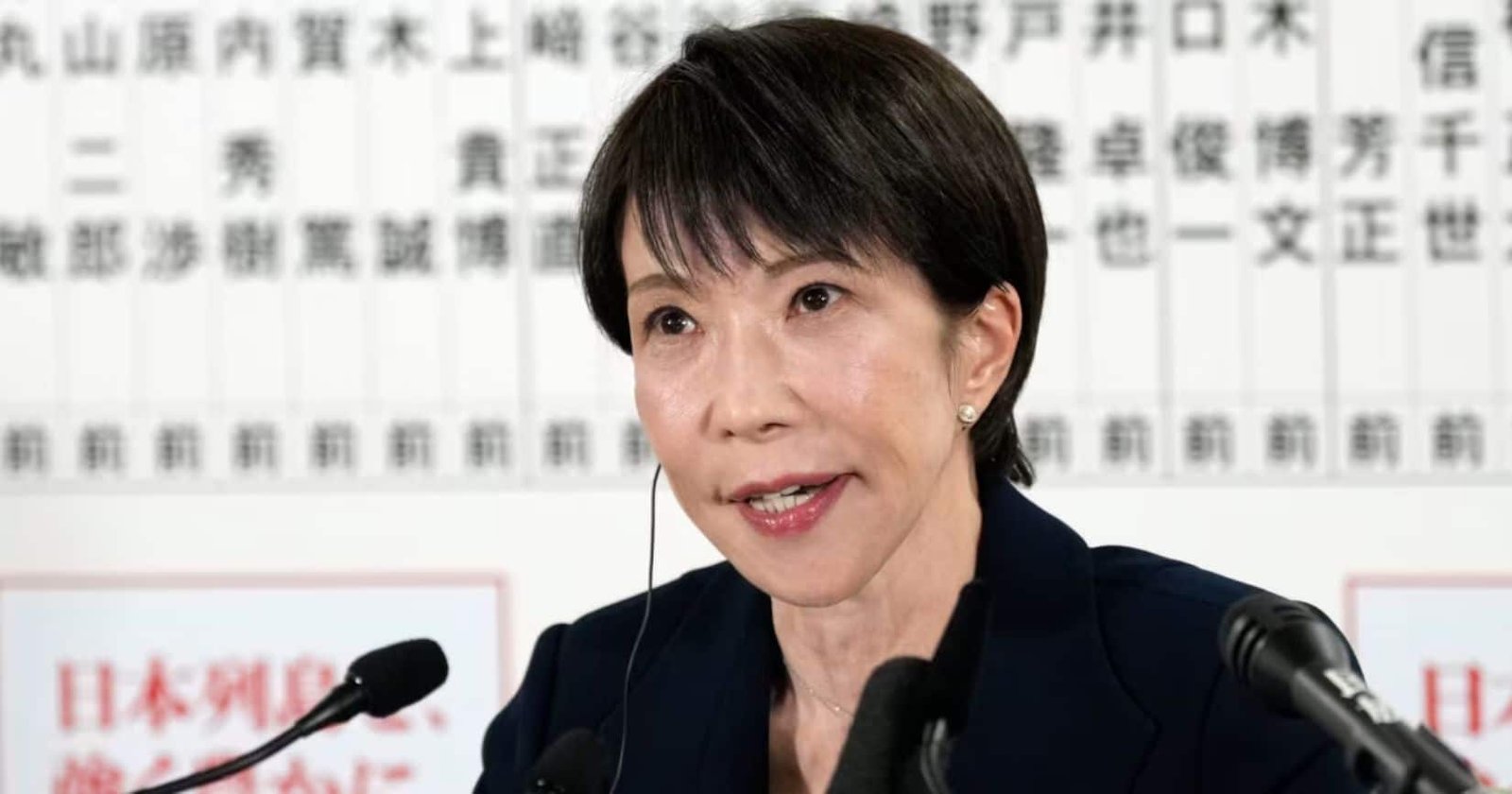
Japan has entered a new political era as Prime Minister Sanae Takaichi led her ruling coalition to a historic supermajority victory in the lower house of parliament. This powerful win gives her unmatched control over legislation and the ability to push policies even without the upper house’s support. As Japan’s first female leader, Takaichi has not only made history but also secured one of the strongest mandates in the country’s postwar period.
Japanese Prime Minister Sanae Takaichi’s election gamble paid off with a stunning landslide victory.
This means a green light from voters for her vision of a more assertive, powerful Japan. Sakura Murakami explains. https://t.co/8oWyZJmWDC pic.twitter.com/vEX8RCMQRc
— Bloomberg (@business) February 8, 2026
Her leadership style, strong public image, and rising popularity—especially among young voters—played a major role in the landslide result. Many citizens see her as a decisive and confident leader who offers direction and stability after months of political uncertainty.
Economic Vision and Market Fears
Takaichi’s economic agenda has become a central topic of debate. Her promise to cut taxes, including suspending the food sales tax, has won support from households struggling with rising prices. However, financial markets and investors are worried about how these policies will be funded, especially as Japan already carries one of the highest public debt levels in the world.
While her supporters believe these reforms will boost growth and ease pressure on families, critics fear long-term financial risks and fiscal instability. This tension between public relief and economic sustainability is likely to shape the next phase of her leadership.
Security Policy and Regional Impact
On the international stage, Takaichi’s strong focus on security and defense has reshaped Japan’s regional role. Her firm stance on China and clear position on Taiwan have increased tensions in East Asia, while also strengthening ties with allies who support a tougher security approach.
Supporters view her policies as necessary for national protection and long-term stability, while critics warn of rising regional friction. With a strong mandate and full political control, Takaichi now stands at the center of Japan’s future, leading a country moving toward deeper reforms, stronger defenses, and a more assertive global role.
You May Like To Read: