



Climate Change as an Economic Shock
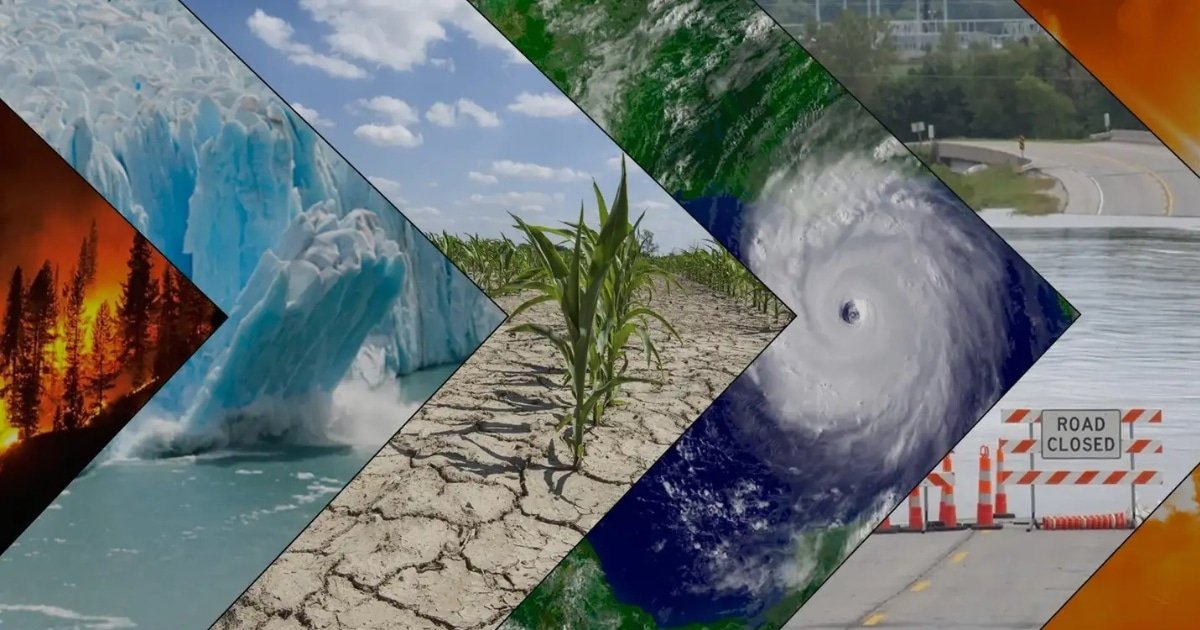
The year 2025 will be remembered not just for another calendar turn, but as a watershed for the global economy. Extreme weather struck with an intensity and cost not seen before in recent memory, laying bare the fact that climate change is no longer just an environmental concern, it has become a central economic risk. From cyclones in Southeast Asia to wildfires in the United States and floods across South Asia, climate-related disasters reshaped economic priorities, trade flows, national budgets and investment decisions around the world.
Analysts and climate groups now agree that the scale of losses from severe weather in 2025 is among the highest ever recorded. Together, the most expensive climate disasters, including wildfires, cyclones, floods, droughts and heatwaves, pushed global insured losses over $120 billion, with total economic losses likely far higher once uninsured impacts are considered.
The True Scale of Losses Beyond Insurance
Insurance figures often dominate headlines because they provide a measurable estimate, but they tell only half the story. In many nations, particularly developing economies, a large proportion of assets, infrastructure and agricultural losses are uninsured. This means the real cost of disasters remains significantly understated.
For example, global estimates from industry reports indicate that total economic losses from climate hazards in 2025 may exceed $160 billion when both insured and uninsured losses are accounted for. This includes industrial disruption, lost earnings, ruined crops, broken supply chains and hundreds of thousands of homes destroyed in low-income regions. These impacts ripple through economies, affecting everything from consumer prices to national credit ratings.
California Wildfires: A Record-Setting Cost in the U.S.
One of the standout events of 2025 was the catastrophic wildfire season in the United States, especially around Los Angeles. Data from global reinsurers shows that wildfires alone contributed tens of billions of dollars in property and infrastructure losses. According to Swiss Re’s annual overview, losses from the Los Angeles wildfires were among the costliest ever recorded for a single wildfire event, with insurers paying out roughly $40 billion.
These figures are part of why insured natural catastrophe losses worldwide are expected to surpass $100 billion for the sixth consecutive year, a sobering indication that property markets and consumer premiums everywhere are being reshaped by climate trends.
The effects were not confined to property value alone. Disruptions to transport, energy and supply networks during these blazes had knock-on effects on regional economic productivity, affecting not just local communities but national supply chains.
Cyclones and Flooding in Southeast Asia
Southeast Asia also faced severe climate impacts, as a string of cyclones and record monsoon rains struck coastal and inland regions in late 2025. Countries such as Thailand, Indonesia, Sri Lanka, Vietnam and Malaysia saw homes swept away, health services overwhelmed, and agriculture devastated.
A leading report tracking the costliest climate events put the combined financial toll of these cyclones and floods at around $25 billion, making them one of the year’s most expensive disasters. The human toll was also significant, with thousands displaced and many lives lost.
Economists warn that damage of this scale disrupts regional manufacturing, tourism and trade flows, hitting export revenues and foreign investment. For economies that depend heavily on seasonal industries and coastal trade, the impacts compound existing socio-economic vulnerabilities.
South Asia Floods: India and Pakistan
Flooding in South Asia, particularly in India and Pakistan, underlined the severity of climate impacts in densely populated regions. Extreme monsoon rainfall and swollen rivers caused widespread inundation, forcing evacuations of millions and damaging critical infrastructure.
According to recent assessments, the flood events in India and Pakistan in 2025 resulted in losses estimated at around $5.6 billion and affected more than seven million people in Pakistan alone. Beyond immediate destruction, these floods strained public finances. Roads and bridges were washed out, irrigation networks disrupted, and agricultural lands rendered useless for months. Rising food prices and reduced exportable surpluses fed inflationary pressures that weighed on broader economic activity.
You May Like to Read: Climate Refugees as Political Weapons: Will Flood-Driven Migration Topple Governments Before Sea Levels Do?
Agriculture and Livelihood Impacts
Across the globe, agriculture, one of the most climate-sensitive sectors, felt the brunt of extreme weather. Floods drowned crops in South and Southeast Asia, drought and heatwaves withered staples in other regions, and storm surges contaminated freshwater sources with salinity.
For Pakistan, where farming underpins a significant part of the economy and supports rural livelihoods, losses in 2025 translated into heightened food insecurity, reduced export receipts and increased demand for imports. These factors not only hit consumer wallets but also external trade accounts and foreign exchange balances, making recovery more expensive and slow.
You May Like to Read: Climate Change as an Economic Crisis: Is Pakistan Ready for Green Industrialisation?
Supply Chains Under Strain
One of the less obvious but increasingly visible consequences of climate disasters in 2025 was the disruption to supply chains. Flooded roads, damaged ports, and power outages delayed goods from reaching markets on time, forcing producers to absorb losses and reroute logistics.
Multinational companies began redesigning their supply chains, integrating climate risk assessments into sourcing and manufacturing strategies. For export-dependent economies like Pakistan, this shift means that resilience, not just cost advantage, will influence future investment decisions.
You May Like to Read: The New Colonialism? How Climate Change is Deepening North–South Divides
Insurance Markets and Financial Stress
The insurance industry itself has been under pressure. With losses rising and premiums climbing, many insurers are retreating from high-risk markets. In some parts of the United States, major carriers have ceased writing new policies in wildfire-prone areas, forcing homeowners into less comprehensive state-run plans.
Worldwide, insurers are adapting pricing models to reflect the growing frequency and intensity of disasters. But for most developing countries, limited insurance penetration means states must shoulder the costs directly, increasing fiscal deficits and reducing room for social and development spending.
Government Spending and Fiscal Pressures
Climate disasters in 2025 forced many governments to reallocate budgets from development projects to emergency response and reconstruction. Investment in health, education and long-term infrastructure was delayed in favour of immediate disaster relief.
For Pakistan, this has meant scaling up flood rehabilitation programs at the expense of broader developmental goals. The result is slower economic growth, higher debt burdens and a growing need for international climate finance to support adaptation and resilience planning.
You May Like to Read: Europe Faces Stark North-South Water Divide as Climate Crisis Accelerates
Shifting Global Investment and Trade Patterns
Investors have taken note. Capital flows are increasingly directed towards climate-resilient infrastructure, renewables, and adaptation technologies. Projects that strengthen flood defenses, water management systems and urban resilience are now attracting funding that previously went to traditional infrastructure.
This shift presents opportunities for economies that prioritise adaptation and integrate climate risk into planning. For Pakistan, enhancing climate resilience infrastructure could unlock new investment, support job creation, and protect key economic sectors.
In a changing climate, trade patterns are also evolving. Countries exposed to repeated climate shocks face rising risk premiums in borrowing markets, reduced competitiveness and market access challenges. For Pakistan’s exporters, investing in resilient logistics and diversified markets becomes essential to maintaining trade flows and economic growth.
You May Like to Read: COP30 Talks Enter Overtime as Deep Divisions Emerge Over Fossil Fuels and Climate Finance
Conclusion: An Economic Imperative
By the end of 2025, it was unmistakable that climate change had moved beyond an environmental controversy to a core economic reality. The billions lost to cyclones, floods and wildfires were tangible hits to growth, stability, and national security.
For Pakistan, the path forward requires a clear focus on resilience, not just response. Integrating climate risks into planning, strengthening infrastructure, and securing international support are essential steps. In a world where weather extremes increasingly determine economic outcomes, adaptation has become a strategic economic imperative, not a policy option.
Check out our latest video: