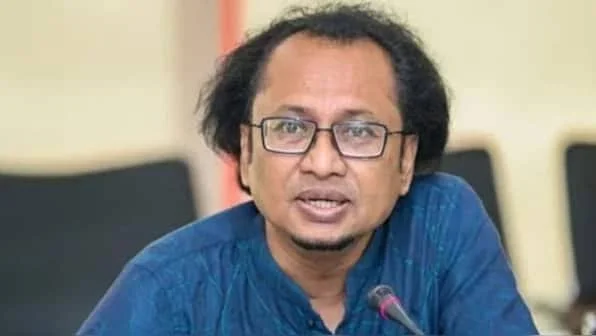




The fragile diplomatic recovery between South Asia’s prominent neighbors fractured sharply on Monday as the People’s Republic of Bangladesh formally summoned India’s top diplomat in Dhaka. The intense diplomatic protest follows the multi-hour airport detention and interrogation of Zahed Ur Rahman, the highly influential government strategy adviser to newly elected Bangladeshi Prime Minister Tarique Rahman.
Bangladesh has summoned a senior Indian diplomat posted in Dhaka to protest against the treatment of an adviser to Prime Minister Tarique Rahman who was reportedly detained and questioned for several hours at New Delhi airport, in the latest diplomatic row between the neighbors…
— Reuters (@Reuters) June 16, 2026
Bangladeshi Foreign Minister Khalilur Rahman labeled the actions of the Indian immigration and security personnel as an “unexpected and unfortunate incident” that directly violates basic diplomatic protocols and mutual state respect.
According to Dhaka’s state-run BSS News Agency, the Ministry of Foreign Affairs directly summoned Indian Deputy High Commissioner Pawan Badhe to the state department to deliver an unyielding, high-level diplomatic reprimand.
1. The New Delhi Transit Choke: The Airport Interrogation Matrix
The incident unfolded at New Delhi’s Indira Gandhi International Airport, transforming a routine geopolitical conference visit into an international spat:
-
The Interrogation Grid: Senior government strategy adviser Zahed Ur Rahman arrived in New Delhi via a commercial flight to participate in a high-profile, multilateral regional conference. Upon processing, Indian security and border protection units pulled the adviser from the diplomatic line, holding him under strict isolation and questioning him aggressively for several hours.
-
The High-Principled Rejection: While top Indian immigration officials eventually cleared the strategic adviser to proceed with his scheduled state visit after hours of delays, Zahed Ur Rahman flatly refused the entry. In a direct act of protest against his treatment, the adviser booked an immediate return flight to Dhaka.
-
The Silence from South Block: India’s Ministry of External Affairs (MEA) has maintained absolute silence, refusing to issue a public statement or clarify what intelligence or bureaucratic trigger prompted the intense screening of a sovereign cabinet ally.
2. The Hasina Extradition Shadow: A Cycle of Deep Regional Strain
The diplomatic clash did not occur in a vacuum; it is the latest explosion of underlying tensions that have crippled bilateral ties since the historic political landscape shift of 2024:
-
The Ghost of 2024: Relations between Dhaka and New Delhi have been highly volatile since the mass popular uprising that violently toppled the long-standing, heavily pro-India autocratic administration of Sheikh Hasina.
-
The Indian Asylum Conflict: Hasina has remained embedded in deep hiding inside secure, undisclosed locations in India ever since she fled the student-led revolution. The newly elected administration of Prime Minister Tarique Rahman—who secured a landslide democratic victory following a brief post-revolution interim governance phase—has repeatedly issued formal, binding legal requests for her criminal extradition to face mass human rights trial in Dhaka.
3. The Fragile Rapprochement Threat: The Scale of 170 Million People
The airport incident directly threatens a delicate, months-long effort by both capitals to recalibrate trade, border management, and security infrastructure:
-
The Landslide Mandate: Following the stabilization of Bangladesh’s 170 million citizens under the interim council, Prime Minister Tarique Rahman’s victory initially signaled a cautious, pragmatic reset with New Delhi. Both nations had quietly moved to ensure vital cross-border supply chains remained open.
-
The Border Risk: Diplomatic insiders warn that the aggressive targeting of the Prime Minister’s primary strategist by Indian apparatus indicates deep-seated paranoia within New Delhi’s security cabinets regarding the new political alignment in Dhaka.
CRITICAL ANALYSIS: THE EXTENSIONAL PARANOIA OF DE-HASINIZATION
The airport confrontation involving Zahed Ur Rahman exposes a fundamental, dangerous disconnect between the civilian leadership goals of the Tarique Rahman government and the entrenched security mindset of India’s external intelligence networks.
The Security-Bureaucracy Sabotage
The aggressive handling of an elite Bangladeshi state planner inside a premier Indian international transit zone suggests a deliberate, systemic operation rather than a simple bureaucratic oversight. India’s external intelligence and border frameworks remain deeply shell-shocked by the total collapse of their decade-long geopolitical monopoly over Dhaka during the 2024 revolution.
By subjecting a key architect of Bangladesh’s new independent strategy to a degrading, multi-hour interrogation, hardline factions within India’s state apparatus are projecting raw disapproval. This counterproductive signaling threatens to completely undo the diplomatic overtures engineered by the Indian Ministry of External Affairs to find common ground with Prime Minister Tarique Rahman’s landslide administration.
The Extradition Leverage Dynamic
Dhaka’s aggressive decision to immediately summon Deputy High Commissioner Pawan Badhe reveals that the new democratic government will not accept a subordinate regional status. Foreign Minister Khalilur Rahman’s swift use of state-run media to expose the incident indicates that Dhaka is willing to use this public offense to put further pressure on New Delhi over its continued harboring of fugitives from the 2024 revolution.
Every day that India shelters Sheikh Hasina while subjecting current Bangladeshi cabinet officials to hostile border security checks, it reinforces the public narrative in Dhaka that New Delhi is actively working against the democratic choices of its 170 million neighbors.
The Takeaway: The sudden return of Zahed Ur Rahman to Dhaka has brought the post-election honeymoon period between India and Bangladesh to an abrupt, screeching halt. The core of this diplomatic conflict is not about standard airport security rules; it is an open struggle over sovereign respect and political transition. If New Delhi fails to deliver an immediate, transparent apology and clear explanations to Prime Minister Tarique Rahman’s cabinet, this incident could quickly spiral into a deep economic and security freeze. Such an outcome could force Bangladesh to permanently pivot its trade and defense partnerships away from its immediate neighbor.