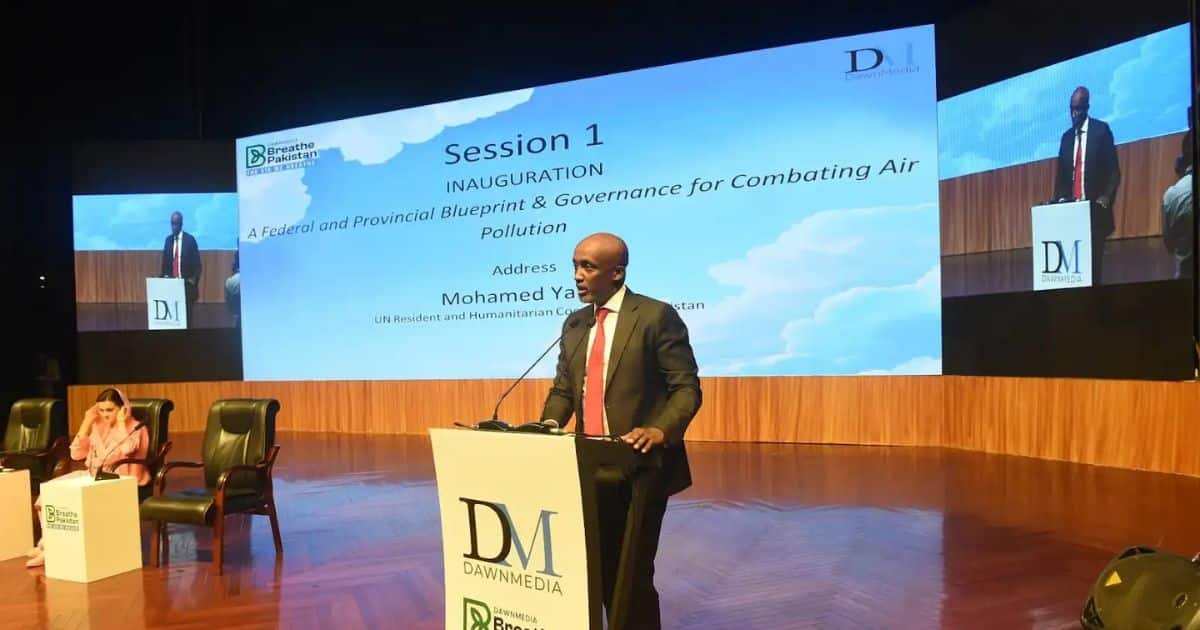





Environmental experts, policymakers, and public health advocates convened under the banner of “Breathe Pakistan” to highlight the growing transnational threat of air pollution and to call for enhanced regional collaboration to combat the crisis affecting millions across South Asia.
During the event, organized by leading environmental organizations and research bodies, participants emphasized that air pollution is no longer a localized issue but a shared regional challenge demanding coordinated policy responses. Experts noted that cross-border smog, industrial emissions, and agricultural burning have combined to make air quality levels hazardous not only in Pakistan but also in neighboring countries including India, Afghanistan, and Bangladesh.
Dr. Sara Malik, an environmental policy specialist, stressed the urgent need for joint air quality monitoring frameworks and data-sharing mechanisms across borders. “Pollution does not recognize boundaries. Only through regional cooperation can we create effective and lasting solutions,” she said.
Every 10 minutes, 5 people die due to air pollution in Pakistan. @WHO has joined Pakistan and partners to discuss how we can tackle together the health crisis posed by air pollution at the international conference “The Air We Breathe” in Lahore. #BreathePakistan pic.twitter.com/YCYzF4yy2m
— WHO Pakistan (@WHOPakistan) October 11, 2025
Regional Solidarity for a Healthier Future
Panelists also called on governments to align their climate and public health policies, invest in renewable energy, and implement stricter emission standards. They urged the establishment of a South Asian Clean Air Alliance to coordinate regional action, research, and public awareness campaigns.
Ministry of Climate Change officials reaffirmed Pakistan’s commitment to improving air quality through stricter industrial regulation, expanded urban greenery, and the introduction of electric mobility initiatives. They also welcomed dialogue with regional partners to build a collective roadmap toward cleaner air.
The “Breathe Pakistan” initiative concluded with a strong message: regional unity, scientific collaboration, and political will are key to ensuring a cleaner, healthier future for South Asia’s 1.8 billion people.
You May Like To Read: