


A Nation Flooded with Illegal Guns
Pakistan faces a silent but deadly crisis –the unchecked proliferation of illegal firearms that has turned streets into battlegrounds and empowered violent extremists. From sophisticated military-grade rifles smuggled across borders to locally manufactured replicas sold in underground markets, the black market arms trade has reached alarming levels.
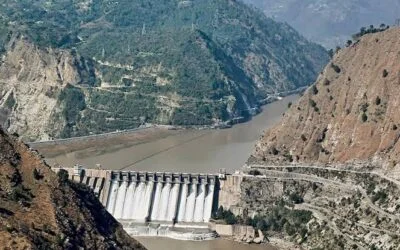
In a shocking 2015 incident, Pakistan Rangers uncovered a sophisticated arm smuggling operation where weapons were being transported disguised in ambulances, highlighting the brazen tactics employed by illegal arms networks.

Source: Dawn
This flood of weapons has not only made ordinary crimes more lethal but has also provided militant groups with the firepower to challenge state authority. The consequences are evident such as rising homicide rates, brazen armed robberies, and a surge in terrorist attacks.
The Sources of Pakistan’s Illegal Weapons
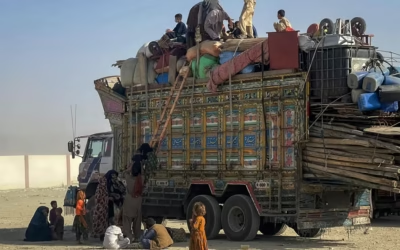
The illegal arms circulating in Pakistan come from multiple sources where each contributes to the growing arsenal of criminals and militants. One of the most significant pipelines runs through Afghanistan, where decades of war have left behind vast stockpiles of weapons.
Source: Tribune
The penetrable Pak-Afghan border, particularly in Balochistan and Khyber Pakhtunkhwa, serves as a major smuggling route for Kalashnikovs, sniper rifles, and even heavy machine guns. These weapons, often left over from Cold War-era conflicts or stolen from military depots, find their way into the hands of Pakistani criminals and insurgents.
Domestically, Pakistan has its own thriving illegal arms industry. The tribal region of Darra Adam Khel, once notorious for its unregulated gun factories, continues to produce imitation firearms that are sold in underground markets across the country.
While these locally made weapons may lack the precision of factory-made arms, they are cheap, easily accessible, and deadly enough to fuel street crime. Additionally, leaks from Pakistan’s own police armories further exacerbate the problem. Stolen or illegally sold official weapons frequently end up in criminal hands, making law enforcement’s job even more difficult.
The Lethal Consequences: Crime and Terrorism
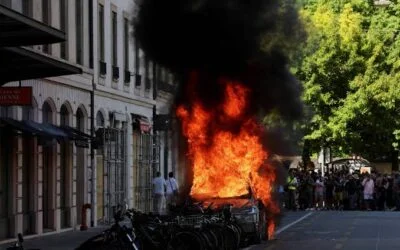
The widespread availability of illegal firearms has transformed the nature of crime in Pakistan. Earlier, robberies and thefts were less violent, but now criminals use powerful guns, making these crimes much more dangerous and deadly.
In major cities like Karachi, Lahore, and Peshawar, armed robberies now frequently turn fatal, as criminals know they outgun police in many cases and open fire without hesitation. The result is a surge in violent crime that leaves civilians and law enforcement officers at constant risk.
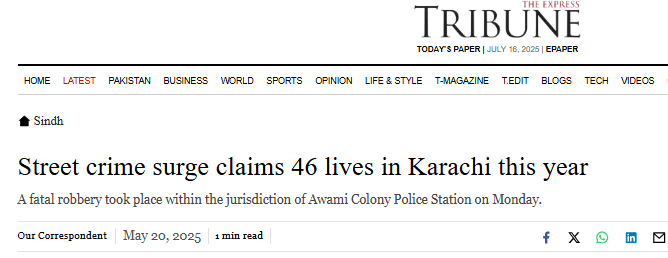
Source: Tribune
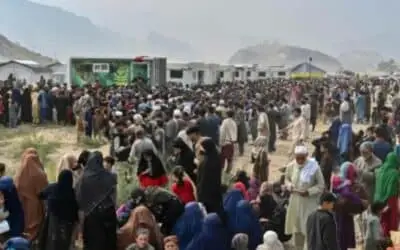
Beyond street crime, illegal weapons have become the lifeblood of terrorist and sectarian groups. Organizations like the Fitna-Al-Khawarij (FAK), Fitna-Al-Hindustan (FAH), and sectarian militias rely on smuggled arms to carry out attacks against security forces and civilians.
The rise in targeted killings, bombings, and armed assaults in recent years can be directly linked to the unchecked flow of weapons. In some cases, the same smuggling networks that supply criminals also arm terrorists, creating a dangerous nexus between organized crime and militancy.
Why Enforcement Has Failed
Despite strict gun control laws on paper, Pakistan has struggled to curb the illegal arms trade. One of the biggest obstacles is less effective institutions. Rogue Police Officers, bribed by arms dealers, often turn a blind eye to smuggling operations or even facilitate them. When raids do occur, they are usually sporadic and lack follow-through, allowing black markets to quickly regroup.
Another major issue is the lack of coordination between federal and provincial authorities. While the federal government may announce crackdowns, provincial police forces often under-resourced and overstretched struggle to implement them effectively. Additionally, Pakistan’s judicial system moves slowly, allowing arrested arms dealers to exploit legal loopholes or intimidation tactics to evade punishment.
Ending the Arms Pipeline
To tackle this crisis, Pakistan needs a comprehensive strategy that targets both the supply and demand for illegal weapons. Strengthening border security is the first critical step. Advanced surveillance technology, including drones and biometric screening at key crossing points, can help intercept smuggled weapons before they enter the country. Simultaneously, Pakistan must pressure Afghanistan to crack down on arms smuggling networks operating from its soil.
Inside the country, sustained operations against illegal arms bazaars particularly in tribal areas are essential. Past efforts have been temporary and half-hearted; what is needed is a permanent dismantling of these markets. Law enforcement agencies must also improve intelligence-sharing to track and disrupt smuggling rings before they can distribute weapons.
Finally, accountability within the armed forces must be strengthened to prevent weapons from leaking into the black market. Internal audits, stricter oversight, and harsh penalties for corrupt officials can help close this dangerous loophole.
A Crisis That Demands Immediate Action
Pakistan’s illegal arms trade is not just a law enforcement issue; it is a direct threat to national security. The weapons flowing into the hands of criminals and terrorists are making the country more violent and less stable. Without urgent and decisive action, this underground arms epidemic will continue to claim lives, embolden militants, and erode public trust in the state.
The solution lies in a multi-pronged approach by securing borders, shutting down black markets, and purging corruption from law enforcement. The cost of inaction is too high, Pakistan cannot afford to let the illegal arms trade keep fueling its cycle of violence. The time to act is now.