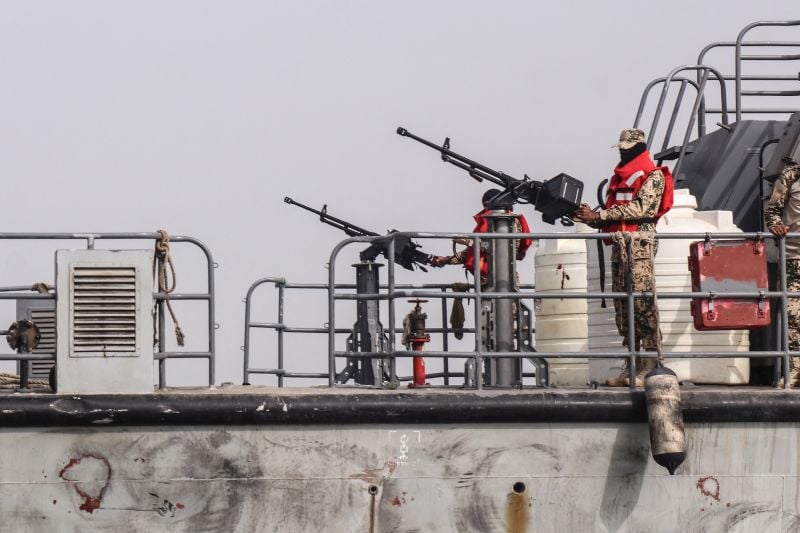




China has engaged in direct diplomatic negotiations with Yemen’s Houthi movement to secure uninterrupted passage for its oil tankers through the Bab el-Mandeb Strait and the southern Red Sea. The secret arrangement follows a naval blockade declared by the Iran-aligned militia targeting Saudi Arabian ports.
Following the Houthis’ July 20 declaration of a maritime blockade against vessels accessing Saudi ports, Beijing established direct channels to request safe-passage guarantees for Chinese-flagged and operated energy carriers. The move comes as China seeks to safeguard critical energy imports from Saudi Arabia’s Red Sea terminals—notably Yanbu—to offset major supply disruptions caused by Iran’s closure of the Strait of Hormuz.
Key details of the operational agreement and maritime impact include:
Individual Vessel Clearance: Chinese officials are clearing tankers individually with Houthi representatives prior to transit. Both parties have kept Tehran informed of the coordination.
Alternative Supply Route: By securing safe passage through Bab el-Mandeb, Chinese crude shipments loaded at Yanbu reach Asian markets in approximately 16 days, avoiding a 50-day detour around Africa via the Suez Canal.
Global Shipping Disruption: While Chinese tankers have successfully transited, other international shipping firms have experienced severe disruptions. Multiple supertankers, including the *New Champion* and *New Prime*, turned back into open waters due to safety concerns after the Houthis warned shippers that vessels loading Saudi cargo would be targeted.
Active Targeting: The Houthis recently confirmed missile and drone strikes on Saudi-linked tankers, including the *Encelia*, demonstrating their willingness to enforce the blockade against unapproved transit.
Critical Analysis
Beijing’s direct deal-making with the Houthis highlights China’s pragmatic, transactional foreign policy in times of regional conflict. By bypassing multilateral security coalitions and negotiating bilateral exemptions directly with a non-state actor, China has effectively secured its energy lifeline while leaving Western and regional competitors to bear the brunt of maritime insecurity.
This development underscores the fracturing of global maritime order. Rather than relying on international freedom-of-navigation frameworks, major economic powers are increasingly resorting to quiet diplomacy with proxy groups to protect their national trade interests. For the Houthis and their backers in Tehran, granting selective clearance to Chinese shipping serves a dual purpose: it demonstrates operational control over the Bab el-Mandeb chokepoint without alienating Beijing, their primary global economic partner. However, this individual clearance model leaves the wider global shipping industry exposed to severe cost inflation, rerouting delays, and heightened supply-chain volatility.