




Full United Nations Security Council resolutions, originally adopted between 2006 and 2010, were officially reimposed on the Islamic Republic of Iran’s nuclear and missile programs on September 28. The measure took effect 30 days after a request by the E3 nations—France, Germany, and the United Kingdom—who cited Iran’s violations of the 2015 Joint Comprehensive Plan of Action (JCPOA) as justification for restoring the restrictive measures.
The reimposition was executed via the “snapback” mechanism contained within Resolution 2231, which previously endorsed the JCPOA. This mechanism allows original participants to unilaterally restore prior sanctions, overriding any attempts to block the action.
#Iran’s FM: We are facing a new situation at UNSC, UN, & IAEA. In our view, the necessary consensus to decide on snapback did not exist in UNSC. Russia & China also believe it did not exist. Now, these matters must be discussed & reviewed in SNSC and its #nuclear committee. https://t.co/TjRvcDgTuM pic.twitter.com/gD5UXQtzBW
— Iran Nuances (@IranNuances) September 30, 2025
Iran Condemns Action and Suspends IAEA Access
Iranian President Masoud Pezeshkian sharply criticized the decision, telling reporters on September 26 that the reimposition of sanctions was “unfair, unjust, and illegal.” Following the measures taking effect, the President stated in a September 29 speech that Iran will not “bow down” to sanctions pressure.
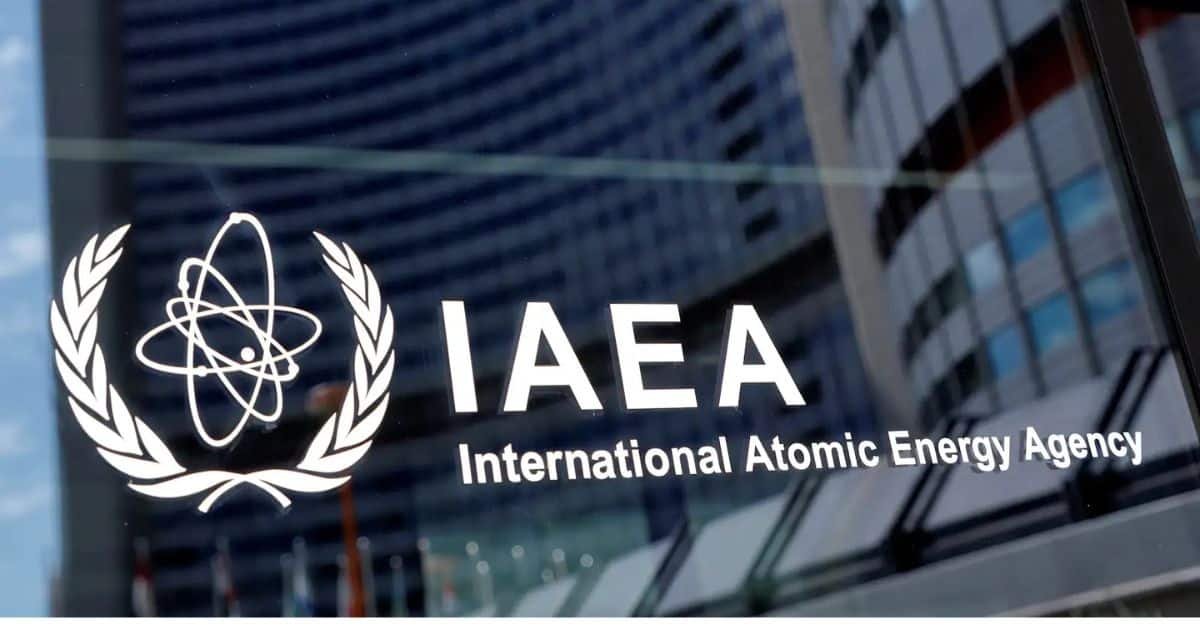
In response, Iran announced it would suspend cooperation with the International Atomic Energy Agency (IAEA) that was outlined in an arrangement reached on September 9 between Foreign Minister Abbas Araghchi and IAEA Director-General Rafael Mariano Grossi. This arrangement was intended to restart cooperation following Iran’s earlier suspension of safeguards after the Israeli and U.S. strikes on its nuclear facilities in June. Iran remains legally required to implement a safeguards agreement as a member of the nuclear Nonproliferation Treaty (NPT), and President Pezeshkian confirmed Iran will not leave the NPT.
The reimposed Security Council resolutions restore comprehensive prohibitions on Iranian nuclear activities, including uranium enrichment and missile development, which had been lifted under Resolution 2231.
You May Like To Read: Pakistan’s Strategic Response to Russia-Ukraine Conflict
Diplomacy Fails to Avert Snapback
The E3 nations stated on September 28 that they “made every effort” to avoid snapback, alleging that “Iran did not engage seriously” with their offer to extend the snapback period in exchange for Iran’s commitment to resume talks with the United States, meet IAEA safeguards obligations, and address its highly enriched uranium stockpiles.
Conversely, Iranian Foreign Minister Araghchi claimed on September 26 that Iran showed “good faith by presenting good and doable proposals which could have resolved this problem,” but that Iran’s “diplomacy has been blocked.” He specifically suggested progress made with France on a framework was ultimately “unable to secure the approval of the United States.”
Secretary of State Marco Rubio affirmed the U.S. position on September 27, stating the reimposition of sanctions sends “a clear message” that Iran will be “held to account.” However, he maintained that “diplomacy is still an option” provided “Iran must accept direct talks.”
The failure to extend the JCPOA was evident in a September 19 Security Council vote, where only Algeria, China, Pakistan, and Russia voted in favor of the measure required to prevent the snapback.
You May Like To Read: Judicial Reforms: Expediting Justice in Pakistan’s Courts
Concerns Over Uranium Stockpile and Access
Concerns persist regarding Iran’s nuclear material, particularly its stockpile of uranium-235 enriched to 60 percent. A September 3 IAEA report indicated Iran possessed 441 kilograms of this material prior to the June 13 strikes. While Iran and the IAEA agreed on certain inspection procedures in Cairo on September 9, European officials suggested the agreement was insufficient due to a lack of specific timelines for accessing nuclear sites targeted in the recent strikes.
The E3 has urged all states to immediately implement the reimposed sanctions.
You May Like To Read: US Plan to Deport Hundreds of Iranian Nationals as Immigration Crackdown Continues