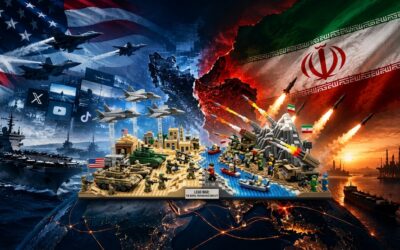





The spring of 2026 saw the Middle East teetering on the edge of a total systemic collapse. What began with a devastating series of strikes on February 28 quickly devolved into a high-stakes maritime and aerial war that claimed thousands of lives and threatened the global energy supply. As the United States and Israel engaged in a campaign of “regime change” that decapitated Iran’s traditional leadership, the world watched a rapid-fire escalation of retaliatory strikes across seven nations. However, beneath the smoke of Kharg Island and the rhetoric of “total obliteration,” a quiet but persistent diplomatic channel was being carved out in South Asia. Led by Pakistan and supported by a coalition of regional powers, these backchannel efforts transformed a 48-hour ultimatum into a historic breakthrough.
Conflict Timeline: February – April 2026
The Outbreak (February)
-
February 28: Operation Epic Fury: The US and Israel launch massive strikes across Iran.
-
Tragedy in Minab: A strike on an elementary school in southern Iran kills over 170 people, primarily schoolgirls.
-
Iranian Retaliation: Iran strikes civilian and transport infrastructure across seven Gulf states (UAE, Kuwait, Qatar, Jordan, and Bahrain).
-
Escalation & Leadership Crisis (March)
-
March 1: Iran confirms the death of Supreme Leader Ayatollah Ali Khamenei and other top officials in the initial strikes.
Iranian state media confirmed the death of Iran’s Supreme Leader Ayatollah Ali Khamenei early on March 1, in air strikes by Israel and the US that pulverized his central Tehran compound. Follow the full coverage ➡️ https://t.co/nBXZuBuH4B pic.twitter.com/SYtMqApooF
— Reuters (@Reuters) March 1, 2026
-
March 3: Death toll in Iran surpasses 700; the UNESCO site Golestan Palace is damaged by Israeli strikes.
-
March 5: The Iranian frigate IRIS Dena is torpedoed by a US submarine near Sri Lanka, killing 80 sailors.
-
March 9: Ayatollah Mojtaba Khamenei is selected as the new Supreme Leader, ensuring institutional continuity.
-
March 11: The Strait of Hormuz becomes the primary flashpoint as Iran begins targeting commercial vessels to disrupt oil flows.
-
March 12: UN reports 3.2 million Iranians displaced; US and Israel accused of “carpet bombing” energy and civilian infrastructure.
-
March 13: A US air refueler is downed over Iraq by Iranian-aligned militias—the first-ever incident of its kind.
Four Confirmed Deceased in Loss of U.S. KC-135 Over Iraq
TAMPA, Fla. – At approximately 2 pm ET on March 12, a U.S. KC-135 refueling aircraft went down in western Iraq. Four of six crew members on board the aircraft have been confirmed deceased as rescue efforts continue.
The…
— U.S. Central Command (@CENTCOM) March 13, 2026
-
March 14: US forces strike Kharg Island, Iran’s main oil export hub; blasts are reported in Tel Aviv.
-
March 17: Head of Iran’s Supreme National Security Council, Ali Larijani, and Basij leader Gholamreza Soleimani are killed in strikes.
-
March 20: Nowruz (Persian New Year) is observed quietly amid war and economic strain.
The Path to Diplomacy (Late March – April)
-
March 22: Trump issues a 48-hour ultimatum to obliterate Iranian power plants unless the Strait of Hormuz is reopened.
— Rapid Response 47 (@RapidResponse47) March 21, 2026
-
March 23: Trump postpones strikes for five days, citing “productive” indirect conversations.
— Rapid Response 47 (@RapidResponse47) March 23, 2026
-
March 24: Pakistan, alongside Turkey and Egypt, secures a five-day pause in US plans to hit energy infrastructure.
-
March 26: Pakistan’s DPM Ishaq Dar confirms Pakistan is relaying messages and a 15-point US framework to Tehran.
There has been unnecessary speculation in the media regarding peace talks to end ongoing conflict in the Middle East. In reality, US-Iran indirect talks are taking place through messages being relayed by Pakistan. In this context, the United States has shared 15 points, being…
— Ishaq Dar (@MIshaqDar50) March 26, 2026
-
March 27: Trump extends the strike pause to April 6.
— Rapid Response 47 (@RapidResponse47) March 26, 2026
-
March 29: A quadrilateral meeting in Islamabad (Pakistan, Saudi Arabia, Turkey, and Egypt) reinforces Pakistan’s role as lead facilitator.
Pleased to welcome my dear brothers, the Foreign Ministers of Saudi Arabia, Türkiye, and Egypt, to Islamabad for the second round of our Consultations. Grateful for their presence at this critical moment, reflecting our strong fraternal ties.
Our candid and constructive… pic.twitter.com/J158rkV4Vo
— Ishaq Dar (@MIshaqDar50) March 29, 2026
-
April 1: Pakistan and China unveil a five-point initiative for the immediate cessation of hostilities.
-
April 2: Trump addresses the US, claiming military success but threatening to hit Iran “extremely hard” for another three weeks.
-
April 4: Iranian FM Araghchi confirms Iran is willing to attend talks in Islamabad, seeking a conclusive end to the war.
Iran’s position is being misrepresented by U.S. media.
We are deeply grateful to Pakistan for its efforts and have never refused to go to Islamabad. What we care about are the terms of a conclusive and lasting END to the illegal war that is imposed on us.
پاکستان زنده باد pic.twitter.com/AUjBQxOFyA
— Seyed Abbas Araghchi (@araghchi) April 4, 2026
-
April 5: Trump threatens “complete decimation” after Tehran initially rejects US war demands.
— Rapid Response 47 (@RapidResponse47) April 7, 2026
-
April 7: Iran conveys a 10-paragraph reply via Pakistan; Trump signals a potential breakthrough on social media.
The Breakthrough
-
April 8: Ceasefire Announced. PM Shehbaz Sharif announces that the US, Iran, and their allies have agreed to an immediate ceasefire, including in Lebanon.
-
The Islamabad Accord: Delegations are invited to Islamabad on April 10 for formal settlement talks.
-
Final Toll: The conflict concludes with at least 2,076 dead in Iran and over 26,500 wounded.
-
With the greatest humility, I am pleased to announce that the Islamic Republic of Iran and the United States of America, along with their allies, have agreed to an immediate ceasefire everywhere including Lebanon and elsewhere, EFFECTIVE IMMEDIATELY.
I warmly welcome the…— Shehbaz Sharif (@CMShehbaz) April 7, 2026
Conclusion
The ceasefire announced on April 8 marks a fragile but vital pause in a conflict that threatened to redefine the modern geopolitical order. While the scars of the “Two-Week War”—including the displacement of over three million people and the destruction of hundreds of schools—will take generations to heal, the shift from kinetic strikes to the conference tables of Islamabad represents a triumph of mediation over might. As delegations prepare to meet on April 10, the “15-point framework” stands as the only barrier between a lasting settlement and a return to the brink of a “civilizational” catastrophe. The eyes of the world now turn to Pakistan, where the ultimate success of this peace will depend on whether the internal pressures of a new Iranian leadership and the political demands of Washington can find a common, peaceful equilibrium.
You May Like To Read: Iran’s Strait of Hormuz Fee Proposal Sparks Global Trade and Legal Concerns
Check out our latest video: