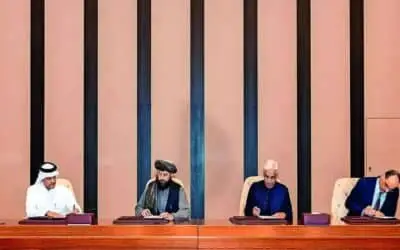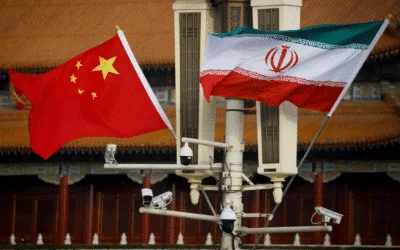



The technical, indirect talks currently unfolding in Doha, Qatar, represent a high-stakes stress test for the newly minted Islamabad Memorandum of Understanding (MoU). Brokered primarily under the diplomatic umbrella of Pakistan and Qatar, this fragile 14-point framework is attempting to formalize an end to the devastating regional war that erupted on February 28, 2026.
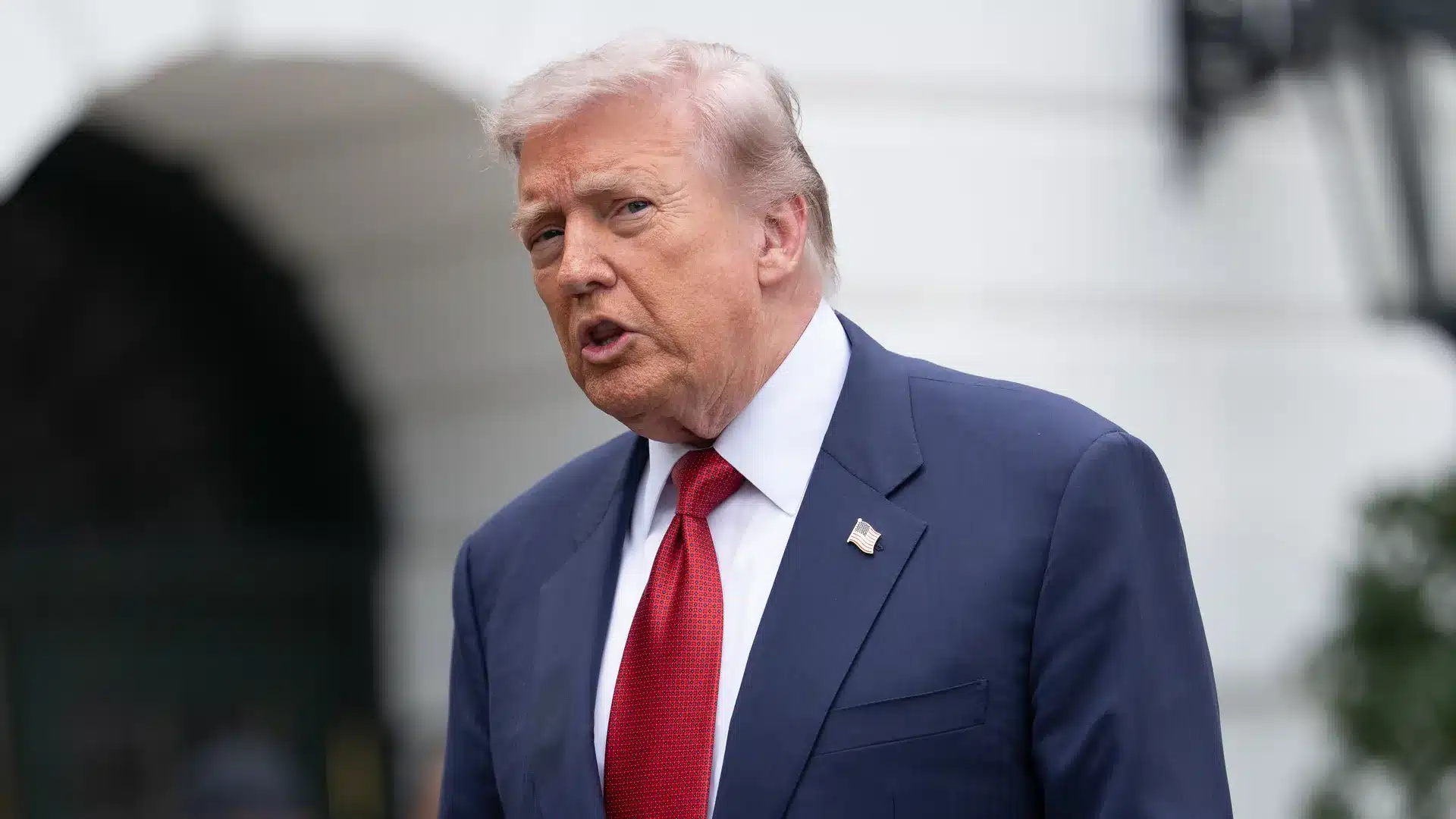
However, as U.S. and Iranian delegations engage through intermediaries in Doha, the strategic gap between Washington’s triumphalist rhetoric and Tehran’s ground-level demands reveals a highly volatile diplomatic terrain. While U.S. President Donald Trump publicly claims that Iran’s denuclearization is “moving along well,” the actual friction on the ground centers on tangible points of leverage: the immediate release of billions in frozen Iranian assets, the physical mechanics of traffic through the Strait of Hormuz, and the aggressive posturing of an sidelined Israel.
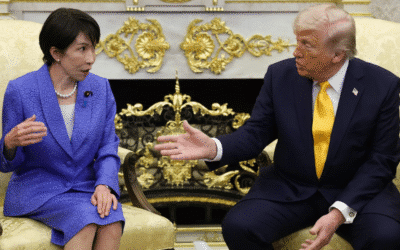
#WATCH | US President Donald Trump says, “As far as things are going, the denuclearisation of Iran is moving along well. They’ve had very good meetings, and we’ll see. We hit them very hard for three nights. But we’re getting along very well. So I call it denuclearisation. It’s… pic.twitter.com/CxDYNhr1eB
— ANI (@ANI) July 1, 2026
The Doha Friction Points: Funds and Transboundary Waterways
The lower-level technical talks in Doha are not focused on broad geopolitical generalities; they are zeroing in on the immediate, operational mechanics of the 60-day negotiation window.
-
The Wealth Injection vs. Sanction Relief: For Tehran, any progress on the broader nuclear file is strictly conditional upon the immediate, verified release of an estimated $12 billion in frozen hard currency and the unhindered flow of an additional $8 billion in oil and petrochemical revenues. The Iranian delegation has made it clear to Qatari and Pakistani mediators that technical compliance cannot precede financial relief.
-
The Hormuz Toll Dispute: The most dangerous bottleneck in the current talks is the future governance of the Strait of Hormuz. Under Clause 5 of the Islamabad MoU, Iran has committed to a 60-day window of toll-free, safe commercial passage while conducting mine-clearance operations. However, Iranian Chief Negotiator Mohammad Bagher Ghalibaf has already signaled that the waterway will never return to pre-war conditions, asserting Tehran’s right to impose transit tolls by mid-August. This has drawn an aggressive counter-warning from U.S. Vice President JD Vance, who stated flatly that Washington will not permit Iran to collect fees on international shipping, setting up a direct structural clash.
The Israeli Sabotage and the Narrative Counter-Offensive
As Washington and Tehran navigate this interim truce, the primary threat to the Islamabad MoU’s survival emanates from Tel Aviv, where Israeli Defence Minister Israel Katz recently triggered a severe diplomatic storm by declaring Iran’s supreme leader “marked for death” and threatening a “third preemptive strike.”
This aggressive rhetoric is a direct attempt to derail the U.S.-led diplomatic track, which Israel views as a deeply flawed agreement that fails to permanently dismantle Iran’s asymmetric capabilities. The Iranian response, articulated by Foreign Minister Abbas Araghchi, was swift, authoritative, and deliberately framed around the legal weight of the Islamabad MoU. Araghchi pointedly reminded the international community that under the terms of the accord, Washington is explicitly obligated to “muzzle” its regional allies.
By tying Israeli compliance directly to American credibility, Tehran is testing the limits of Trump’s enforcement capability, making it clear that any unilateral Israeli strike will be met with an immediate, powerful retaliation that would instantly collapse the ceasefire.
Conclusion: Pakistan’s Core Mediatory Imperative
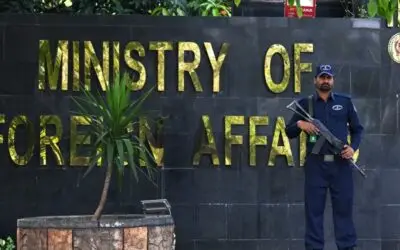
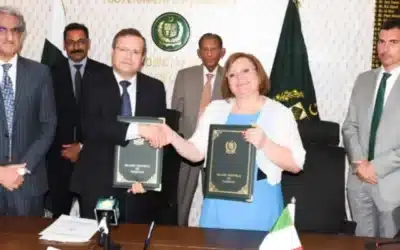
For Islamabad, the stakes in Doha extend far beyond regional stability. Having served as the primary architect and signatory of the Islamabad MoU alongside the United States and Iran, Pakistan has hitched a significant portion of its global diplomatic credibility to the success of this framework.
The current standoff proves that while kinetic operations can halt a hot war, enforcing a “bad peace” requires relentless, minute-by-minute diplomacy. The Trump administration’s internal contradictions—boasting of a destroyed Iranian military while simultaneously conceding to massive economic reconstruction plans—demonstrate that Washington is eager to exit the conflict before the November midterm elections.
As the 60-day test clocks down, Pakistan’s role as a net security and diplomatic anchor is vital. To prevent a catastrophic return to hostilities, Islamabad must continue to work alongside Doha to bridge the asset-release deadlock, formalize a sustainable maritime transit regime in Hormuz, and ensure that external spoilers do not shatter the hard-fought diplomatic architecture signed on its soil.