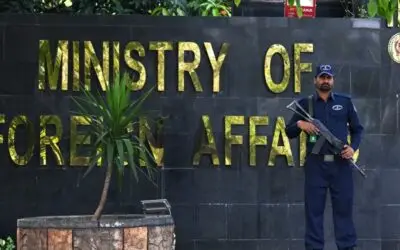





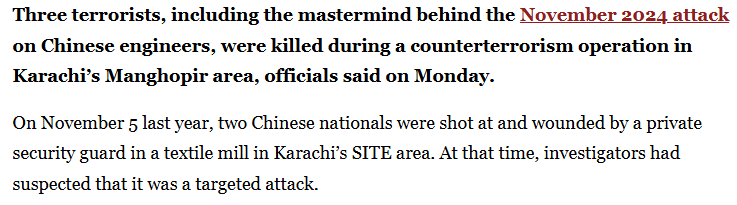
Karachi, Pakistan – In a significant breakthrough, the Counter-Terrorism Department (CTD) has announced the neutralization of three Fitna-al-Khawarij (FAK) terrorists in an operation in Karachi. Among those killed is a high-value target identified as the alleged mastermind behind last year’s deadly attack on Chinese engineers in Besham, Shangla district. This successful raid marks a crucial victory in Pakistan’s ongoing fight against terrorism and underscores the relentless efforts of law enforcement agencies to bring perpetrators of violence to justice.
The Operation: A Decisive Strike
The operation, which took place in the Manghopir area of Karachi, was conducted following intelligence reports regarding the presence of key FAK operatives. According to CTD officials, a specialized team, acting on actionable intelligence, launched the raid on a terrorist hideout. A heavy exchange of fire ensued, resulting in the elimination of the three terrorists. The CTD recovered a cache of weapons, including automatic rifles, pistols, and explosives, from the scene, further confirming the dangerous nature of the neutralized individuals.
Source: Dawn
Mastermind of Besham Attack Among the Slain
One of the primary targets of the operation was identified as Habibullah alias Barq, believed to be the architect of the March 2024 suicide bombing that tragically claimed the lives of five Chinese engineers and their Pakistani driver as they traveled from Islamabad to the Dasu Dam hydropower project in Khyber Pakhtunkhwa.
This attack, which involved a suicide bomber ramming an explosives-laden vehicle into a convoy, sent shockwaves through both Pakistan and China, highlighting the persistent threat posed by militant groups to development projects and foreign nationals in the region. The careful planning and execution of this attack underscored the FAK’s sophisticated operational capabilities and their intent to disrupt critical infrastructure projects.
More Like This:
The other two terrorists killed in the operation have also been identified as key members of the FAK, involved in various acts of terrorism across the country. While their specific roles in the Besham attack are still under investigation, their neutralization is expected to significantly disrupt the FAK’s network and operational capacity in Karachi and beyond.
The CTD spokesperson emphasized that these individuals were not only involved in high-profile attacks but also in facilitating logistical support and planning for other terrorist activities. The elimination of such key figures represents a major blow to the FAK’s organizational structure within the urban centers of Pakistan. Senior CTD official Raja Umer Khattab said:
“The Operation was jointly carried out by the CTD and personnel of intelligence agencies. The teams raided a house in the Manghopir area and killed the terrorists during an operation. They [terrorists] belonged to the banned Fitna-al-Khawarij (FAK).”
Meanwhile, the Additional Inspector-General of Police, Counter-Terrorism Department Azad Khan stated:
“A terrorist who masterminded an attack on Chinese engineers in November last year has been killed during an operation in Karachi’s Manghopir area.”
Broader Context: Pakistan’s Fight Against Terrorism
This successful operation comes amidst a sustained nationwide campaign by Pakistani security forces to dismantle terrorist networks. The FAK, an umbrella organization of various militant groups, has been responsible for numerous attacks on security forces, civilians, and infrastructure across Pakistan. Their tactics often involve suicide bombings, ambushes, and targeted assassinations, aimed at destabilizing the country and undermining government authority. The presence of these high-profile terrorists in a major metropolitan city like Karachi underscores the challenges faced by law enforcement in tracking and neutralizing these elements, who often seek refuge in urban environments.
Protecting CPEC and Foreign Nationals
The targeting of Chinese nationals in Pakistan has been a recurring concern, particularly given the extensive Chinese investment in projects under the China-Pakistan Economic Corridor (CPEC). Attacks like the one in Besham are not only designed to inflict casualties but also to deter foreign investment and cooperation, thereby undermining Pakistan’s economic development. The collaborative efforts between Pakistani intelligence agencies and law enforcement, leading to operations like this one, are crucial in ensuring the safety and security of both local and foreign personnel engaged in critical projects.
You May Like To Read: India-Israel’s Strategic Alignment: The Balochistan Front
Commitment to Accountability and Future Vigilance
The CTD’s relentless pursuit of those responsible for the Besham attack demonstrates the government’s unwavering commitment to combating terrorism and ensuring that perpetrators are held accountable. This operation serves as a strong message to militant groups that law enforcement agencies possess the capability and resolve to penetrate their networks and eliminate their leadership. The ongoing efforts to enhance intelligence gathering, strengthen inter-agency coordination, and equip specialized units like the CTD are vital in maintaining pressure on terrorist organizations and preventing future attacks.
The government and security agencies continue to urge the public to remain vigilant and report any suspicious activities. Community cooperation plays a crucial role in complementing the efforts of law enforcement in identifying and neutralizing terrorist threats. The successful outcome of the Manghopir operation highlights the effectiveness of intelligence-led operations and the dedication of Pakistan’s counter-terrorism forces in safeguarding national security and protecting innocent lives. This operation is a testament to the continued sacrifices made by security personnel in the fight against a relentless enemy.