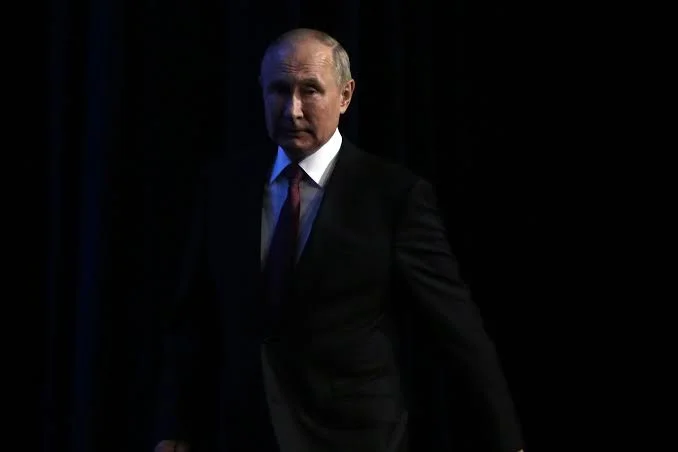


Russian President Vladimir Putin has publicly dismissed an interim peace proposal from Ukraine aimed at establishing a mutual halt to long-range missile and drone strikes. Speaking on Russian state television, Putin framed Kyiv’s diplomatic overture not as an authentic path toward de-escalation, but as a tactical attempt by the Ukrainian Armed Forces to find “salvation” from the immense operational pressure accumulating along the 1,250-kilometer front line.
The Kremlin’s rejection highlights Russia’s intent to sustain its multi-year military campaign rather than accept compromises that neutralize its primary tactical advantages. By maintaining its unrestricted long-range strike capabilities, Moscow aims to keep pressure on Ukrainian infrastructure, despite facing a continuous campaign of retaliatory drone strikes against its own domestic energy hubs.
🇷🇺⚔️🇺🇦 Putin says Kiev proposed limiting the fighting to just four territories: Donetsk, Lugansk, Kherson, and Zaporozhye.
Speaking in an interview with VGTRK’s Pavel Zarubin, Putin said Russia rejected the offer because it would let Ukrainian forces regroup and shift units from…
— DD Geopolitics (@DD_Geopolitics) June 28, 2026
The Disparity in Long-Range Attrition Strategy
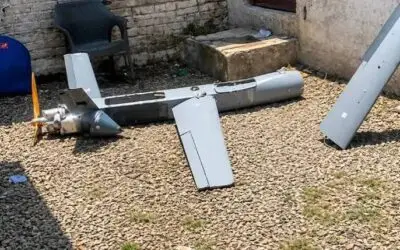
The diplomatic gridlock comes at a time when the war’s operational focus has expanded significantly beyond direct frontline engagements. Ukrainian President Volodymyr Zelenskyy has intensified deep-theater asymmetric operations, utilizing long-range drones to strike vital Russian energy targets—including the Slavyansk refinery in the Krasnodar region and the Yaroslavl refinery northeast of Moscow. These targeted strikes are part of a deliberate campaign to starve the Russian military machine of fuel and disrupt logistical nodes supplying frontlines in occupied Crimea.
Despite these disruptions and the introduction of stricter air defense measures near domestic oil assets, President Putin has downplayed the strategic impact of Ukraine’s drone campaign, asserting that infrastructure strikes have zero influence on active combat operations. The Kremlin’s current refusal to discuss limits on long-range weapons contrasts sharply with its September 2024 warnings, when Moscow declared that Western authorization for Ukraine to utilize NATO-supplied long-range systems inside sovereign Russian territory would constitute a direct act of war.
While Kyiv received that green light in late 2024 following the deployment of North Korean forces in the Kursk region, Moscow has adjusted to this reality by relying on its own superior missile manufacturing capacity. Consequently, the Kremlin views its long-range arsenal as a critical deterrent that it refuses to compromise on, especially as international diplomatic focus remains divided by concurrent global conflicts.
Critical Analysis: Strategic Asymmetry, Domestic Signaling, and Negotiating Postures
The rejection of Kyiv’s reported missile compromise reveals the fundamental asymmetry characterizing current peace initiatives. From a strategic standpoint, Ukraine’s proposal for a mutual halt to long-range attacks represents a rational attempt to protect its vulnerable electrical grid and urban centers from devastating infrastructure strikes. However, the Kremlin interprets this request as a confirmation of structural vulnerability. By publicly labeling the proposal as an attempt to save the “Kyiv regime,” Putin is engaging in deliberate narrative warfare designed to project absolute strength to his domestic audience while signaling to the West that Russia will not negotiate from a position of perceived equality.
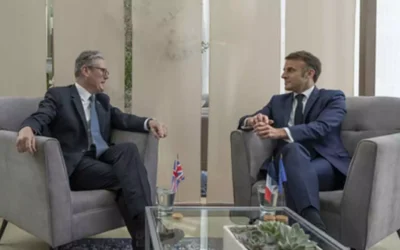
This rigid stance underscores the broader stagnation of the peace process under current conditions. While U.S. President Donald Trump has pursued alternative diplomatic tracks—including separate high-profile meetings with both leaders and assigning special envoys like Steve Witkoff and Jared Kushner to map out a post-war framework—the baseline demands of the two combatants remain completely irreconcilable. Moscow continues to insist that any future treaty must be based on its 2022 Istanbul parameters, which require Ukraine to formally cede large swaths of territory, including the heavily occupied Donbas region.
By dismissing direct overtures from Zelenskyy and simultaneously objecting to European Union mediation on the grounds that EU members are active participants in the conflict, Putin is playing a calculated waiting game. Moscow is betting that long-term attrition will exhaust Ukrainian personnel reserves and weaken Western political cohesion before domestic economic strains, such as fuel shortages and inflation, force a shift in Russia’s own political calculations.
Strategic Outlook: The Obstacles to Diplomatic Breakthroughs
As long-range engagements continue to expand the geographic scope of the war, the path toward a sustainable ceasefire faces severe structural challenges:
-
Retention of Territorial and Military Advantages: Russia’s insistence on keeping all occupied territories and preserving its superior long-range strike capability prevents the establishment of a common baseline for formal negotiations.
-
Decoupling of Mediation Tracks: The Kremlin’s rejection of European mediators indicates that Moscow will likely only engage in serious diplomatic talks if they are led directly by Washington or supported by specific regional allies like Belarus.
-
The Intersection of Global Conflict Timelines: Future diplomatic engagements remain tied to broader international dynamics; meaningful progress on Eastern European peace tracks is increasingly conditioned on the resolution of secondary global crises, particularly the ongoing security situation in the Middle East.