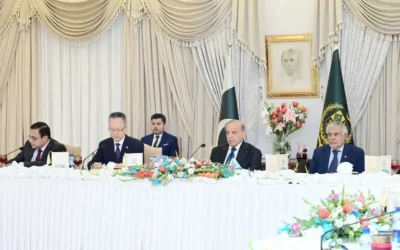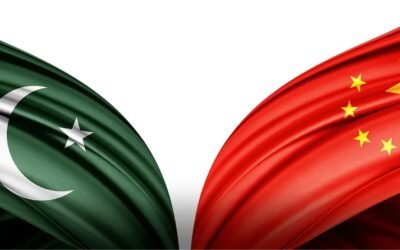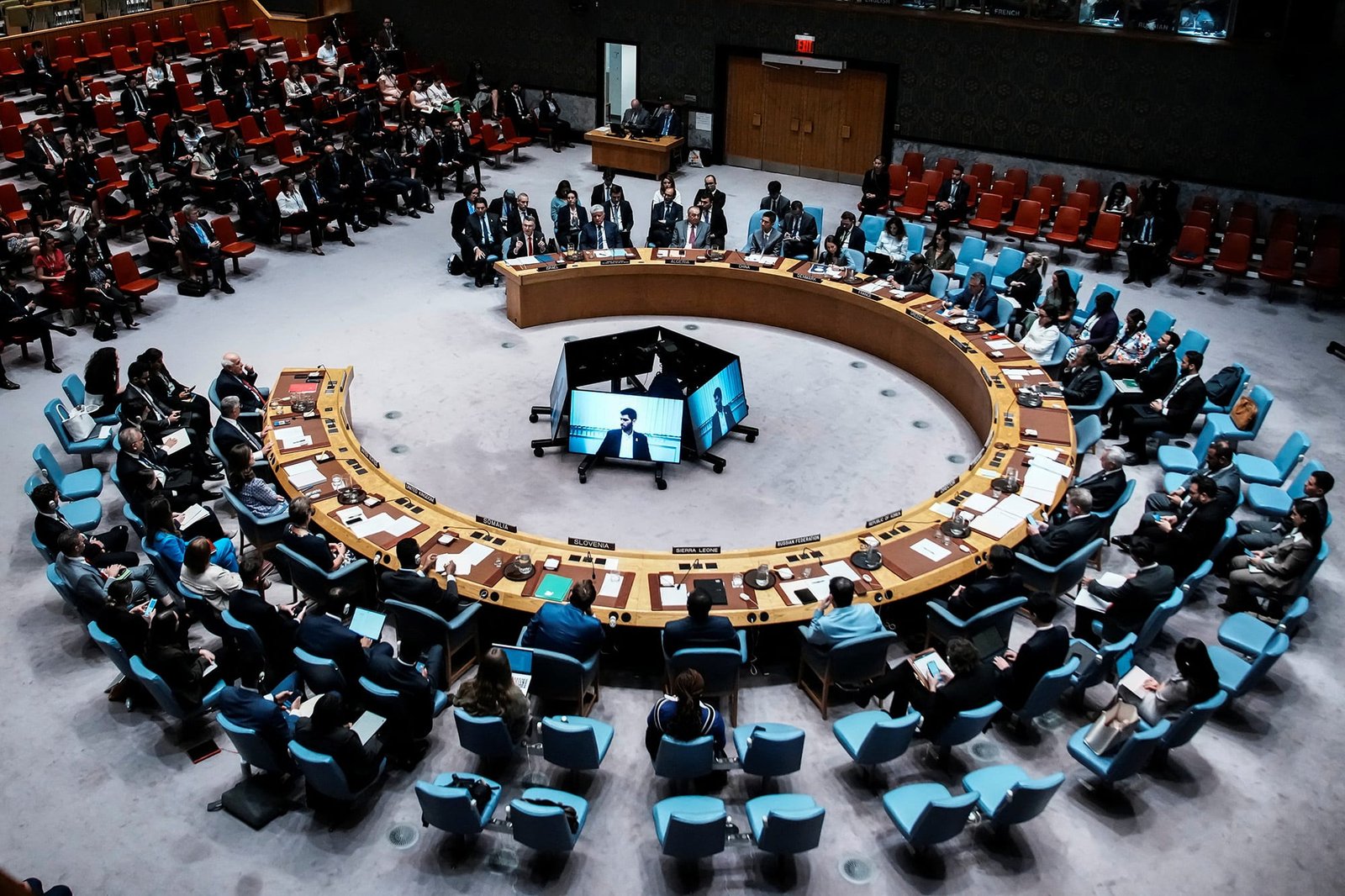




In a major joint initiative to uphold international legality, Pakistan and the People’s Republic of China co-organized an official Arria-formula meeting of the United Nations Security Council (UNSC) on Tuesday. The high-level forum focused on the critical theme of “Bridging the Implementation Gap: Security Council Resolutions and the Maintenance of International Peace and Security.”
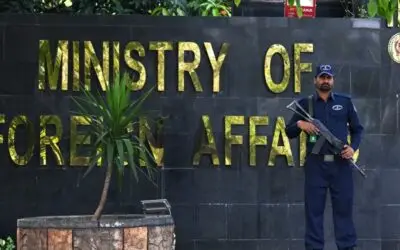
According to a formal statement released by the Ministry of Foreign Affairs (MoFA) in Islamabad on Thursday, the session provided a crucial, inclusive platform for UN member states to address systemic lapses within the international rules-based order, seeking to establish robust mechanisms that guarantee the full, effective, and non-selective execution of all Security Council mandates.
🔊PR No.1️⃣5️⃣5️⃣/2️⃣0️⃣2️⃣6️⃣
China and Pakistan Organise UN Security Council Arria-Formula Meeting on Bridging the Implementation Gap: Security Council Resolutions and the Maintenance of International Peace and Security
🔗⬇️ pic.twitter.com/UoXviiXw7h
— Ministry of Foreign Affairs – Pakistan (@ForeignOfficePk) June 25, 2026
Technical Briefings: The Core Parameters of Accountability
The session featured high-level strategic overviews from senior international institutional experts, who provided the council with an analytical breakdown of structural obstacles to resolution enforcement:
-
UN Assistant Secretary-General Khaled Khiari: Focused on the immediate operational link between consistent implementation and the overall credibility, authority, and field effectiveness of the Security Council.
-
UNSC Report Executive Director Shamala Kandiah: Outlined the institutional necessity for clear follow-up tracking and reporting systems to prevent political stagnation.
-
Richard Gowan of the International Crisis Group (ICG): Analyzed the strategic gaps between resolution drafting and actual enforcement, warning that policy failures erode global trust in multilateralism.
The panel of briefers emphasized that if UN resolutions are to be translated into practical, stabilizing actions on the ground, they must be structurally accompanied by realistic mandates, clear implementation pathways, sustained monitoring, adequate financing, and unyielding political will.
傅聪大使在“弥合落实鸿沟:安理会决议与维护国际和平与安全”阿里亚模式会议上的发言https://t.co/TtqCccF4gN pic.twitter.com/gxoKY7AZPa
— Chinese Mission to UN (@Chinamission2un) June 24, 2026
Repudiating Lawfare Duplicity: The Kashmir and Palestine Imperatives
Delivering the national statement before the assembly, Ambassador Asim Iftikhar Ahmad, Pakistan’s Permanent Representative to the United Nations, reminded member states that UNSC resolutions are not mere diplomatic expressions of intent. Instead, they constitute binding legal obligations under the explicit provisions of the UN Charter.
Ambassador Ahmad warned that selective or prolonged non-implementation severely weakens the Council’s moral authority and exacerbates human tragedy in active dispute zones. He specifically highlighted the unresolved situations in Palestine and Indian Illegally Occupied Jammu and Kashmir (IIOJK).
“The non-implementation of Security Council resolutions on the Jammu and Kashmir dispute means that a major international dispute remains unresolved,” Ambassador Ahmad stated, adding that this persistent failure has carried grave consequences for international peace and security while forcing decades of prolonged human suffering upon the Kashmiri people.
The Islamabad-Beijing Action Plan for Multilateral Reform
To address these enforcement gaps, Pakistan presented a comprehensive four-point reform strategy designed to introduce systematic accountability directly into the Security Council’s operational framework:
-
Mandatory Annual Reviews: Institutionalizing a structured yearly audit within the UNSC to review all unimplemented or partially implemented country-specific and thematic resolutions.
-
Clear Enforcement Pathways: Requiring technical working groups to draft step-by-step enforcement roadmaps alongside every newly passed resolution.
-
Enhanced Follow-Up Frameworks: Strengthening reporting requirements and punitive oversight to check non-compliance by target states.
-
Strategic Peacekeeping Alignment: Ensuring a tighter structural fit between active UN field peace operations, regional security blocs, and the core legal mandates of Council decisions.
The Foreign Office noted that participating UN member states widely welcomed the joint initiative, sharing distinct perspectives on enhancing the Council’s leverage. By executing this joint diplomatic surge, Pakistan and China have reaffirmed their shared, unyielding commitment to multilateral diplomacy, the preservation of the Security Council’s authority, and the fundamental purposes and principles of the UN Charter.