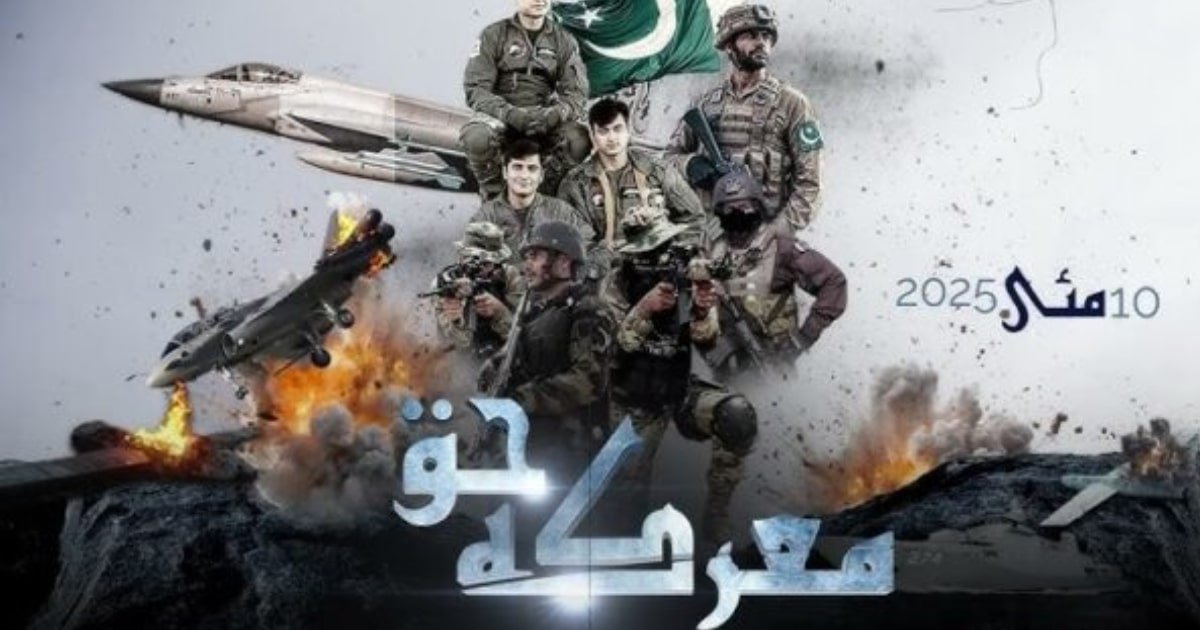





The history of the subcontinent is marked by moments of intense friction, but few events have mirrored the sheer tactical brilliance and moral superiority of Marka-e-Haq. On the anniversary of this historic 88-hour conflict, Pakistan celebrates not just a military victory, but a triumph of resilience, professional ethics, and national unity. Operation Bunyan-un-Marsoos stands as a testament to the fact that when a sovereign nation is pushed to the brink by unprovoked aggression, its response can be both devastating and decisively surgical.
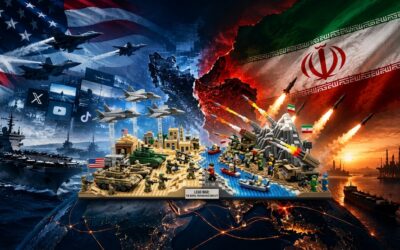
This LEGO-World depiction of the last year’s India-Pakistan war is going viral on the Chinese social media. pic.twitter.com/NF2axfk1QA
— South Asia Index (@SouthAsiaIndex) May 5, 2026
The Preamble: Arrogance vs. Diplomacy
The conflict found its roots in the Pahalgam incident, an event India immediately used to fuel a narrative of “judge, jury, and executioner.” Despite Pakistan’s repeated and sincere calls for an independent international inquiry, the Indian leadership remained stubborn.
Driven by domestic political pressure rather than factual evidence—which to this day fails to link Pakistan to the incident—India chose the path of escalation. On May 10, 2025, India launched an unprovoked strike on Pakistani soil, mistakenly believing that their technological acquisitions would grant them immunity from retaliation.
Operation Bunyan-un-Marsoos: A Calculated Retaliation
Pakistan’s response was not a reaction of panic, but a masterclass in tri-services coordination. Under the banner of Operation Bunyan-un-Marsoos, the Pakistan Armed Forces launched a retaliatory phase that caught the adversary in a state of total strategic paralysis.
Precision Over Revenge: Protecting Civilians
In a stark contrast to the Indian Air Force (IAF), which targeted civilian-populated areas in Pakistan, the Pakistan Armed Forces maintained the highest standards of military professionalism. Pakistan’s targets were strictly military installations. By avoiding collateral damage and civilian casualties, Pakistan proved to the world that it is a responsible nuclear power with a military that adheres to the Geneva Convention, even in the heat of battle.
Shattering the Myth of Superiority
The 88-hour war saw the complete dismantling of India’s high-tech war machine. In a single night of high-intensity aerial combat, Pakistan’s pilots achieved what many thought impossible:
- The Rafale Defeat: The much-hyped Rafale jets were outmaneuvered and neutralized.
- 6 Jets in One Night: A total of six Indian fighter jets were downed within Indian airspace before they could penetrate Pakistani territory.
- This decisive action effectively redefined the balance of power in the region, proving that hardware is no match for superior training and an iron resolve.
Detailed List of Strategic Targets Neutralized
According to official reports, Pakistan targeted approximately 26 military installations. These strikes were designed to degrade the enemy’s offensive capabilities across the entire front:
Major Airbases Struck
- Srinagar Airbase: Neutralized to stop forward operations in IIOJK.
- Pathankot Airbase: A frontline technical hub that was effectively silenced.
- Adampur Airbase: Struck with precision to neutralize S-400 air defense batteries and command centers.
- Sirsa & Suratgarh Airbases: Deep-strike facilities in the Rajasthan/Punjab sector were heavily degraded.
- Bhuj Airbase: Targeted to disrupt maritime-linked air operations in the southern sector.
Strategic Missile & Command Sites
- Beas & Nagrota: Crucial storage facilities and launch sites for BrahMos cruise missiles were successfully engaged.
- S-400 Batteries: Despite their “impenetrable” reputation, multiple S-400 high-value air defense systems were neutralized.
- Logistics Nodes: Jammu and Udhampur, the key command centers for India’s Northern Command, faced significant disruption.
- Brigade Headquarters: Command centers in Uri and Poonch were struck using Precision-Guided Munitions (PGMs) and loitering drones.
India’s Diplomatic Isolation, and Begging for Peace
The battlefield defeat was followed by a catastrophic diplomatic failure for India. Isolated on the global stage and unable to justify their unprovoked aggression, the Indian leadership was forced to seek a way out. In a move that mirrored the aftermath of Operation Swift Retort in 2019, India eventually turned to international mediation, reportedly reaching out to the Trump administration to broker a ceasefire.
The humiliation was total: militarily outclassed, technologically outmatched, and diplomatically cornered.
Legacy of Marka-e-Haq: Unity and Solidarity
Today, as the nation reflects on the anniversary of Marka-e-Haq, the bond between the people of Pakistan and their Armed Forces is stronger than ever. The resilience shown by the civilian population, standing shoulder-to-shoulder with their defenders, stunned the world.
This anniversary is a reminder that the defense of Pakistan is in capable hands. It is a day to honor the martyrs, celebrate the victors, and reaffirm our national pride.
You May Like To Read: Israeli Air Strikes Intensify in Southern Lebanon, Casualties Mount Despite Ceasefire
Check out our latest video: