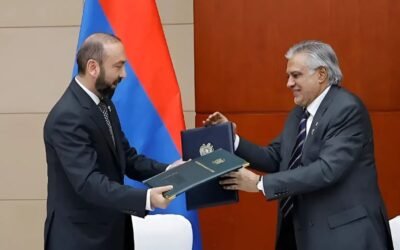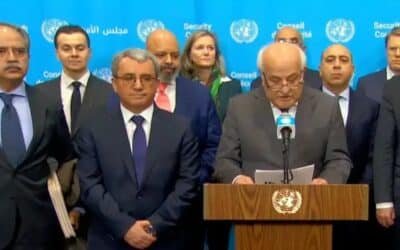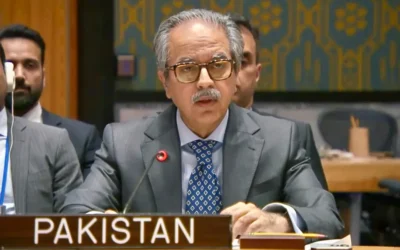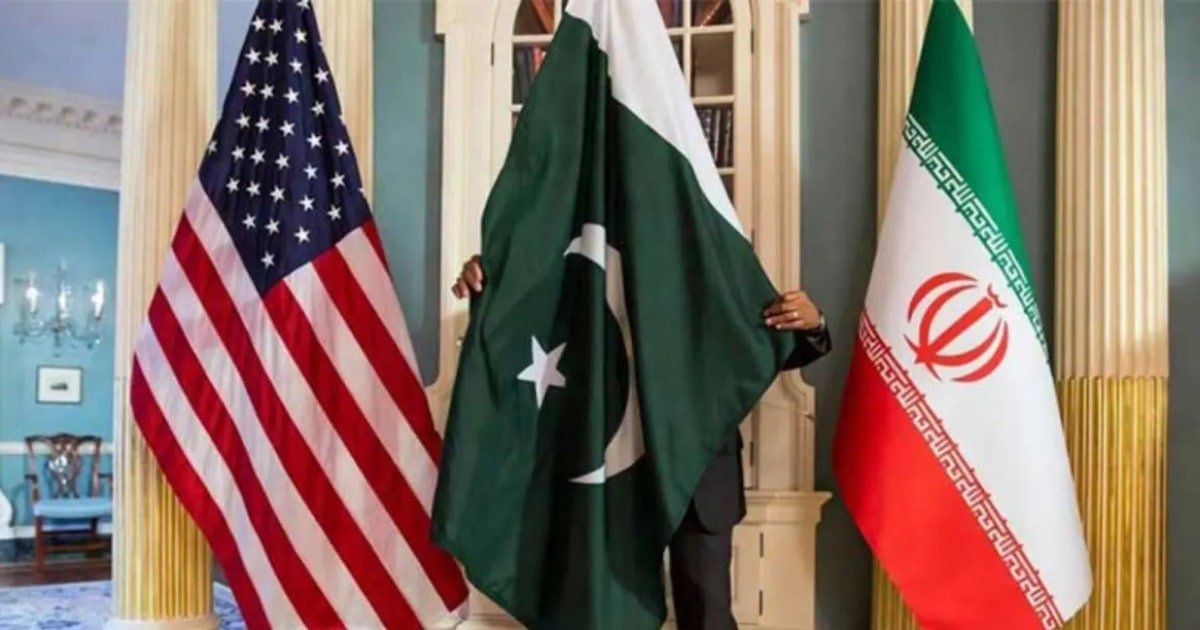





In a significant diplomatic breakthrough, Pakistan has positioned itself as the central mediator in efforts to end the nearly month-long war between the United States, Israel, and Iran. On Tuesday, March 24, 2026, Prime Minister Shehbaz Sharif formally announced that Islamabad is “ready and honored” to host high-level negotiations, following a weekend of intense back-channel activity. The push is being led by Army Chief Field Marshal Asim Munir, who held a private call with U.S. President Donald Trump on Sunday. Trump, who has frequently referred to Munir as his “favorite field marshal,” subsequently announced a five-day extension to his ultimatum against Iran, citing “very good and productive” preliminary conversations.
Pakistan Prime Minister Shehbaz Sharif on Tuesday said Islamabad was “ready” to host “meaningful and conclusive” talks between the US and Iran for a “comprehensive settlement” to end the war in the Middle East https://t.co/fWbGuRbtuk pic.twitter.com/nTVdD8yg65
— Anadolu English (@anadoluagency) March 24, 2026
While Iran has publicly denied direct talks, diplomatic sources indicate that Tehran has expressed a preference for Islamabad as a neutral venue over other regional contenders like Cairo or Ankara. A key sticking point remains the choice of negotiators; Iranian officials have reportedly rejected Trump’s Middle East envoy Steve Witkoff and son-in-law Jared Kushner, viewing them with “zero trust” following the initial strikes in February. Instead, Tehran has signaled a willingness to engage if U.S. Vice President JD Vance leads the American delegation. As a U.S. delegation is expected to arrive in Pakistan within 48 hours, the international community is watching closely to see if this “strategic conduit” can translate a fragile pause in airstrikes into a permanent ceasefire.
You May Like To Read: Fertilizer Sector Strained as Global Urea Prices Hit $750
Check out our latest video: