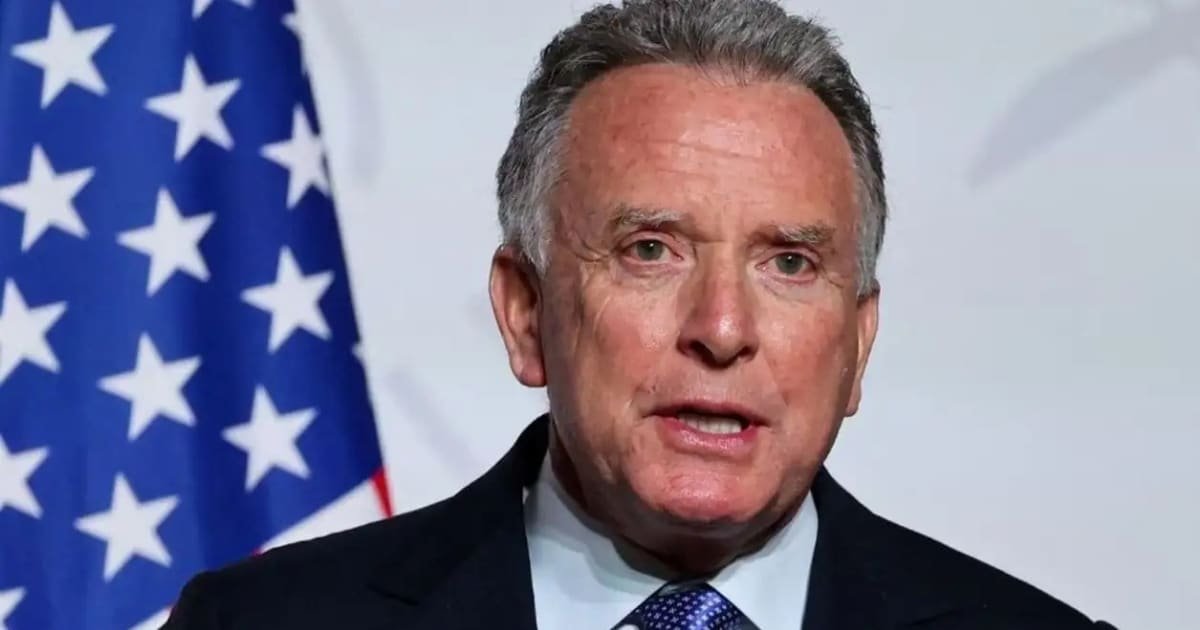





U.S. Envoy Steve Witkoff today officially declared the commencement of Phase Two of President Donald Trump’s 20-point peace plan for the Gaza Strip. This milestone marks a transition from the initial ceasefire toward the establishment of a transitional government, the full disarmament of unauthorized groups, and the large-scale reconstruction of the territory.
US Middle East envoy Steve Witkoff says phase two of Trump’s 20-point Gaza plan will move from ceasefire to “demilitarisation, technocratic governance, and reconstruction” https://t.co/TnCdWX4Xw0 pic.twitter.com/fBWpBmawRt
— Al Jazeera English (@AJEnglish) January 15, 2026
Establishment of the National Committee for the Administration of Gaza (NCAG)
A central pillar of Phase Two is the formation of the National Committee for the Administration of Gaza (NCAG), a 15-member technocratic Palestinian administration. The committee will be chaired by Ali Shaath, a veteran former deputy planning minister in the Palestinian Authority (PA).
The NCAG will operate under the direct oversight of a “Board of Peace,” chaired by President Trump. Additional details regarding the Board’s composition and schedule are expected to be unveiled during the World Economic Forum in Davos next week. On the ground, the Board will be represented by Nickolay Mladenov, the former UN Middle East envoy.
Security and Demilitarization
Phase Two mandates the full demilitarization of Gaza, including the disarmament of Hamas and other Palestinian factions. Envoy Witkoff emphasized that an International Stabilization Force (ISF) will be deployed to train and support vetted Palestinian police forces.
“The United States expects Hamas to comply fully with its obligations,” Witkoff warned. He specifically noted that these obligations include the immediate return of the body of Ran Gvili, the last deceased Israeli hostage currently held in Gaza. Failure to comply, Witkoff stated, “will bring serious consequences.”
Regional and Local Support
The formation of the technocratic committee has received diplomatic backing from regional mediators Egypt, Qatar, and Turkey. Internally, the move has seen rare alignment from various Palestinian factions:
- Hamas and Palestinian Islamic Jihad (PIJ): Issued a joint statement supporting the efforts to form the government and provide a stable environment for its work.
- Palestinian Authority (PA): Vice-President Hussein al-Sheikh urged all factions to ensure the success of this phase, stressing the goal of “one system, one law, and one legitimate weapon.”
Challenges to Stability
Despite the diplomatic progress, significant hurdles remain:
- Hostage Deadlines: The Israeli government and the Hostages and Missing Families Forum have maintained that the recovery of Ran Gvili remains the “top priority,” with Israel refusing to reopen the Rafah crossing until his remains are returned.
- Disarmament vs. Statehood: Hamas has historically resisted disarmament in the absence of a sovereign Palestinian state, an issue not yet fully addressed in the current transition.
- Fragile Ceasefire: Both sides continue to report violations. Since the initial ceasefire, health officials in Gaza report that nearly 450 Palestinians have been killed in ongoing strikes.
You May Like To Read: Pakistan Government Shifts Focus from Economic Stability to Growth, Job Creation
Path Forward
The Trump administration maintains that Phase Two is the essential bridge to long-term stability. Once the Palestinian Authority has completed necessary reforms and demonstrates the ability to govern securely, the plan envisions the PA assuming full control of the territory.
Check out our latest video: