




Addressing a high-stakes session of the United Nations Security Council (UNSC) on Monday, Pakistan issued an urgent, high-level appeal for the immediate resumption of diplomatic mechanisms to secure a complete cessation of hostilities in Ukraine, firmly declaring that military ascendancy cannot resolve the four-year-old conflict.
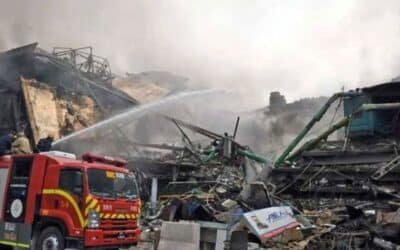
The emergency briefing was convened at the explicit request of Kyiv following a devastating, massive wave of coordinated Russian missile and drone strikes hitting the capital city and multiple surrounding oblasts (provinces). The architectural and humanitarian crisis prompted strong diplomatic support for the meeting from council members Denmark, France, Greece, Latvia, and the United Kingdom.
Repeated calls by the international community for protection of civilians and civilian infrastructure, and respect for International Humanitarian Law (IHL) remain unheeded. We, once again, underscore the need for the parties to abide by their obligations under international law,… pic.twitter.com/cQFdKEPeDB
— Permanent Mission of Pakistan to the UN (@PakistanUN_NY) June 22, 2026
Rejecting the Vicious Cycle of Kinetic Escalation
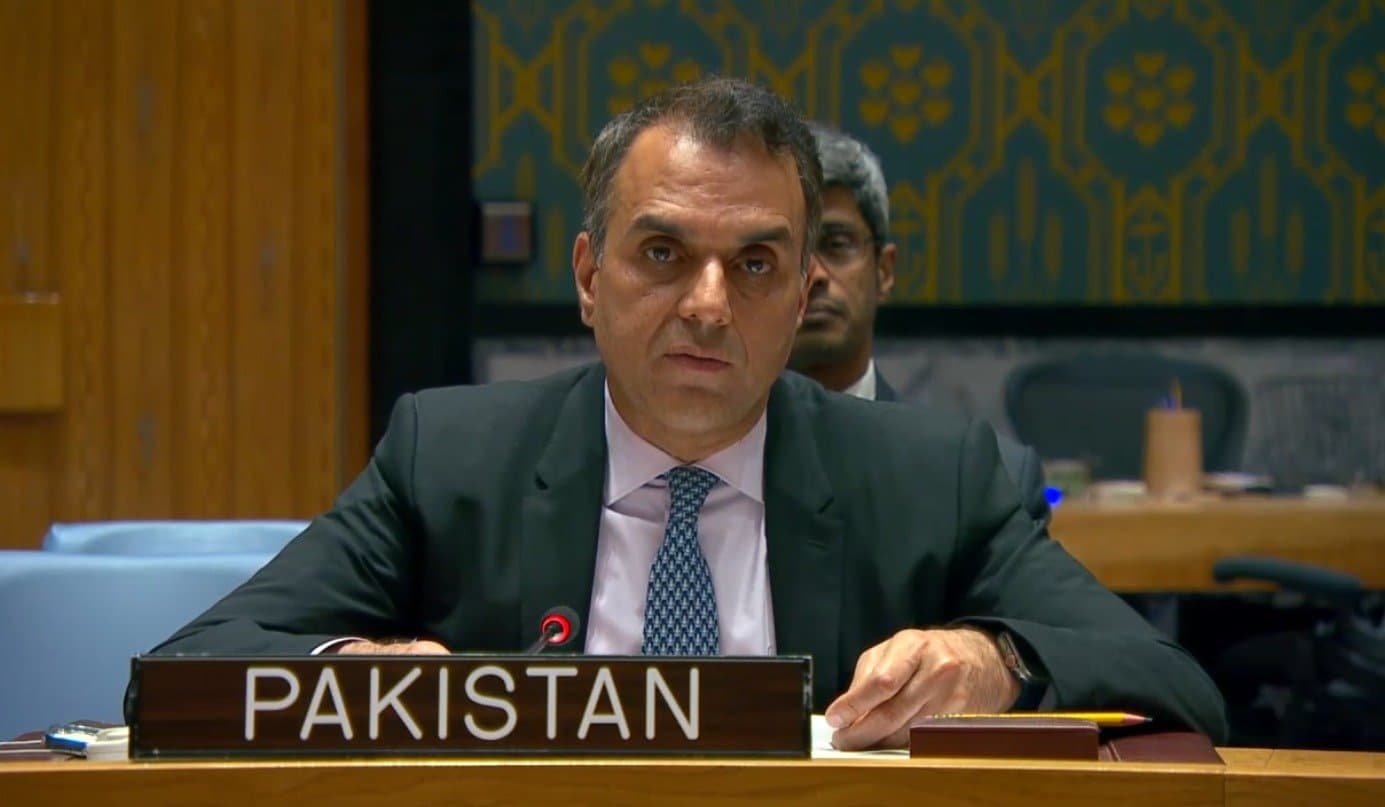
Ambassador Usman Jadoon, Deputy Permanent Representative of Pakistan to the United Nations, delivered the national statement, expressing deep concern over the continuous, cyclical degradation of European security and the corresponding humanitarian fallout.
-
The Fallacy of Military Solutions: “We firmly believe that for sustainable peace to return to the region, primacy must be given to dialogue and diplomacy, eschewing the quest for military ascendency,” Ambassador Jadoon told the 15-member council.
-
The Cost of Tactical Inertia: He characterized the current state of operations as a “vicious cycle of attacks” that continues to aggravate a long-drawn-out war, causing extensive damage to civilian infrastructure, spiritual landmarks, and non-combatant populations.
-
Reversing Perilous Momentum: Jadoon emphasized that the primary responsibility to halt this dangerous escalation rests directly with the active combatants, who must proactively build mutual trust and forge the baseline conditions necessary to revive formal peace talks.
The Grim Human Toll of a Four-Year Conflict
The diplomatic session opened with a sobering strategic overview from Khaled Khiari, UN Assistant Secretary-General for Political and Peacebuilding Affairs. The operational metrics presented to the council underscore the massive human toll exacted since the initial outbreak of the war in February 2022:
-
Documented Casualties: At least 16,126 civilians—including 796 children—have been verified killed in Ukraine since the outbreak of hostilities.
-
Escalating Lethality: The Office of the High Commissioner for Human Rights (OHCHR) recorded at least 274 civilian deaths and 1,763 injuries in Ukraine in the last month alone.
-
Infrastructure and Cultural Attrition: The devastating strikes executed on June 15 heavily targeted key urban centers, severely damaging historic sites such as the eleventh-century Dormition Cathedral, a monumental Ukrainian spiritual and cultural landmark.
-
Expanding Theater Boundary: Assistant Secretary-General Khiari also expressed deep concern regarding the safety of civilians in temporarily occupied territories—including the Autonomous Republic of Crimea and Sevastopol—as well as inside the Russian Federation itself, noting an June 18 Ukrainian drone strike targeting Moscow that injured 17 people.
Calling for United States-Facilitated Peace Mechanisms
In outlining Pakistan’s strategic framework for conflict resolution, Ambassador Jadoon called for the immediate revival of the United States-facilitated dialogue process. Pakistan emphasized that any viable, enduring political settlement must strictly mirror the sacrosanct principles of the UN Charter, while simultaneously balancing the legitimate security interests of all sides and upholding relevant multilateral agreements.
Edem Wosornu, Director of the Crisis Response Division for the Office for the Coordination of Humanitarian Affairs (OCHA), closed the briefing with a stark reminder of the financial and legal obligations shifting onto the global community. She stressed that the policy choices made within the UNSC determine whether lives are saved or lost, urging member states to enforce strict compliance with International Humanitarian Law (IHL) and provide immediate, flexible emergency funding to insulate the region’s most vulnerable populations.