



In a continued, high-tempo push against asymmetric threats in the frontier regions, Pakistani Security Forces executed two separate, highly synchronized Intelligence-Based Operations (IBOs) in Khyber Pakhtunkhwa (KP), eliminating four heavily armed operatives affiliated with the Indian-sponsored Fitna al-Khawarij.
وفاقی وزیرداخلہ محسن نقوی کی خیبرپختونخوا میں بھارتی حمایت یافتہ دہشتگردوں کے خلاف کامیاب کارروائیوں پر سکیورٹی فورسز کی ستائش
وزیرداخلہ محسن نقوی نے 4 دہشتگردوں کو ہلاک کرنے پر سکیورٹی فورسز کی پیشہ وارانہ صلاحیتوں کو سراہا— Ministry of Interior GoP (@MOIofficialGoP) June 4, 2026
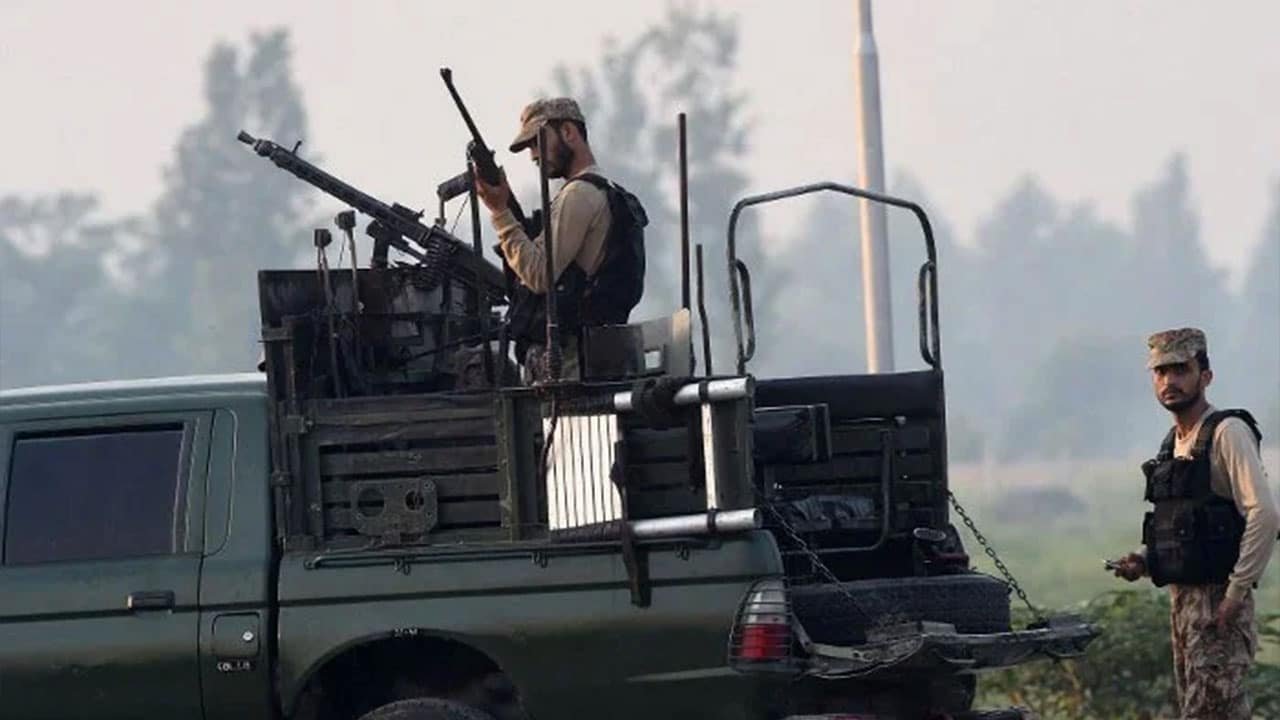
According to an official communique released by Inter-Services Public Relations (ISPR), the first targeted operation was launched in the southern Dera Ismail Khan district following actionable tracking data locating an active militant cell. Confronted by advancing troops, the cornered operatives initiated a fierce firefight. Frontline forces effectively engaged the position, neutralizing two high-profile khwarij combatants on site.
Simultaneously, a second tactical raid was deployed in the tribal Mohmand district bordering Afghanistan. Utilizing advanced flanking maneuvers and skillful containment, security forces intercepted an armed detachment, eliminating two additional khwarij fighters. Heavy caches of military-grade weapons, tactical equipment, and live ammunition were recovered from both operational theaters.
State leadership swiftly lauded the kinetic precision of the sweeps. President Asif Ali Zardari and Prime Minister Shehbaz Sharif issued strong commendations to the participating law enforcement agencies. PM Shehbaz reiterated that the multi-agency campaign will proceed without pause until extremist infrastructure is entirely uprooted, vowing to dismantle any external proxy conspiracies targeting the state’s sovereignty.
صدرآصف علی زرداری کا فتنہ الخوارج کے خلاف کامیاب کارروائیوں پر سکیورٹی فورسز کو خراج تحسین@AAliZardari pic.twitter.com/n5DEXd76k7
— PTV News (@PTVNewsOfficial) June 4, 2026
Critical Analysis: Safe Havens, Adaptive Nomenclature, and the Realities of Azm-e-Istehkam
The dual operations in D.I. Khan and Mohmand underscore the complex security dynamics presently defining Pakistan’s northwestern frontier. A critical evaluation of these counter-terrorism developments reveals several strategic dimensions:
The Critical Geography of Mohmand and D.I. Khan
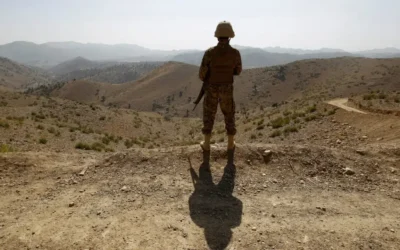
The locations of these two operations illustrate the dual-front threat vector facing security forces in KP. Mohmand district, situated directly on the porous Pak-Afghan border, serves as a primary infiltration bottleneck where cross-border cells attempt to breach fence lines.
Conversely, Dera Ismail Khan acts as a strategic inland crossroads connecting KP to Balochistan and Punjab. By striking cells in both an outer border gateway (Mohmand) and a vital internal transit node (D.I. Khan), security forces are successfully interrupting the TTP’s ability to funnel personnel and suicide hardware from frontier safe havens into the Pakistani mainland.
State Nomenclature as Psychological Warfare
The state’s rigid enforcement of the term Fitna al-Khawarij to describe the banned Tehreek-e-Taliban Pakistan (TTP) represents a sophisticated ideological counter-offensive. By officially classifying the group as “Kharjites” (historical religious extremists who deviated from mainstream Islamic tenets), the state is actively stripping the TTP of its self-proclaimed religious legitimacy.
Pairing this theological delegitimization with the prefix “Indian-sponsored” serves a dual purpose: it alienates the group from local tribal support bases while framing the insurgency not as an indigenous grievance, but as a hostile, foreign-funded asymmetric proxy network.
De-escalating the 50% Violence Surge
The necessity of these relentless IBOs is made clear by the harrowing statistical backdrop of the frontier conflict. With KP experiencing over 1,588 terrorism-related incidents and a 50% year-on-year surge in localized violence, the provincial security apparatus has been under immense strain.
The alarming 56% spike in targeted attacks against police personnel highlights the militants’ strategy of weakening primary law enforcement. However, the Counter Terrorism Department (CTD) and military intelligence have responded with extreme kinetic pressure—conducting 2,791 search operations and arresting over 1,200 suspects—proving that while the threat remains highly active, the state’s intelligence apparatus has successfully transitioned into a proactive, pre-emptive interception posture.
Operationalizing “Azm-e-Istehkam” Amid Cross-Border Friction
These operations are the tactical extension of the federal Azm-e-Istehkam doctrine, which mandates the absolute eradication of foreign-supported terrorism. This campaign is being executed under immense geopolitical friction, particularly given that security assessments consistently identify the planning and staging grounds of these attacks as originating from across the Afghan border.
By continuing high-tempo sanitization operations within settled and tribal districts, Pakistan is demonstrating to the Taliban regime in Kabul that it will aggressively eliminate cross-border networks internally, while maintaining the tactical flexibility to escalate its response if the neighboring state fails to honor its international counter-terrorism obligations.