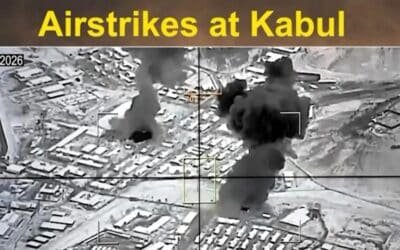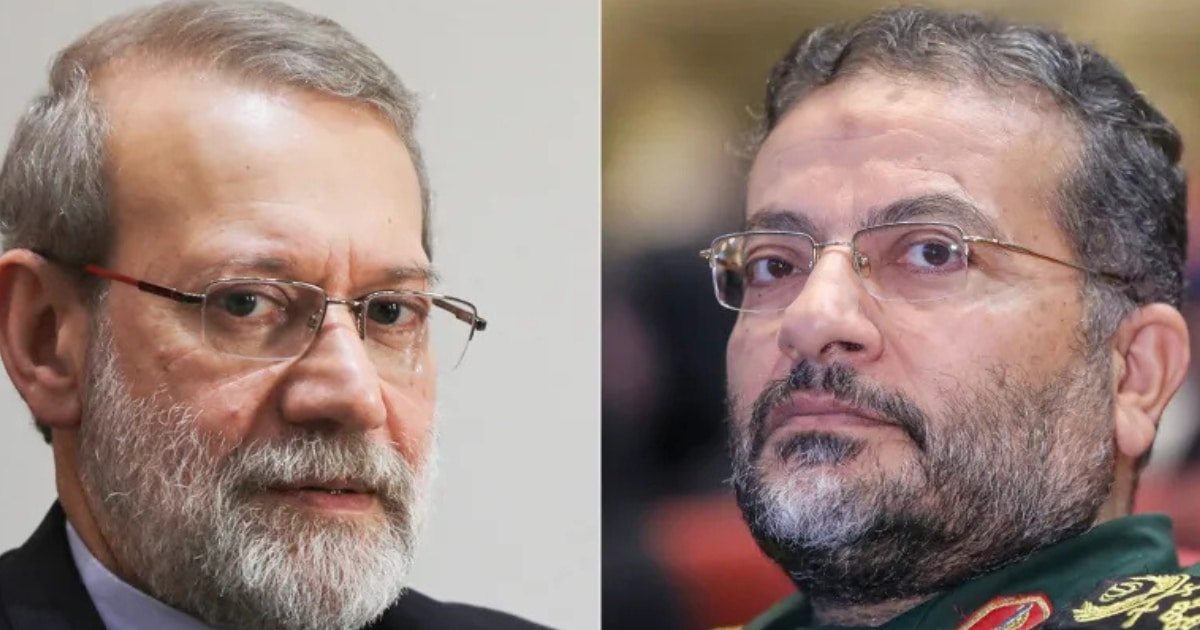




The Israeli military announced today, on March 17, 2026, that it has killed Gholamreza Soleimani, the commander of Iran’s Basij paramilitary force. According to a statement released by the Israel Defense Forces (IDF), the operation was a targeted airstrike in central Tehran guided by precise military intelligence. Soleimani, who has led the internal security wing of the Islamic Revolutionary Guard Corps (IRGC) for the past six years, was a key figure in suppressing domestic dissent and had been under extensive international sanctions from the U.S. and the European Union.
#WATCH: Israeli Defence Minister Israel Katz says Iran’s national security chief Ali Larijani and Gholamreza Soleimani, commander of Iran’s Basij paramilitary force, were “eliminated” in overnight strikes, according to the Israeli military https://t.co/gIRhWHGZtS pic.twitter.com/alDjO7wZan
— Arab News (@arabnews) March 17, 2026
In a separate announcement on the same day, Israeli Defense Minister Israel Katz claimed that Ali Larijani, the Secretary of Iran’s Supreme National Security Council, was also killed in a strike. If these reports are confirmed, the deaths of Soleimani and Larijani would represent the most significant blow to the Iranian leadership since the opening day of the war on February 28, when U.S.-Israeli forces assassinated former Supreme Leader Ayatollah Ali Khamenei.
ALI LARIJANI X ACCOUNT ANNOUNCES HIS DEATH
‘A SERVANT OF ALLAH HAS PASSED AWAY AS A MARTYR’ https://t.co/cJCMz9SkcI pic.twitter.com/mQ78381Kku
— RT (@RT_com) March 17, 2026
The Iranian government has not yet issued an official response to either claim. The Basij, a volunteer militia tasked with maintaining internal order, has been a primary target for coalition forces throughout the three-week conflict. This latest escalation in the heart of the capital suggests a continued strategy of decapitation strikes against Iran’s military and political infrastructure, even as the country navigates a volatile transition under its new leadership.
You May Like To Read: Iran Maintains Oil Exports Through Hormuz Despite Regional Disruptions and Escalating Conflict