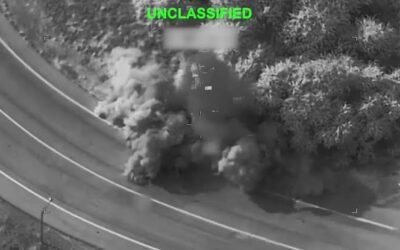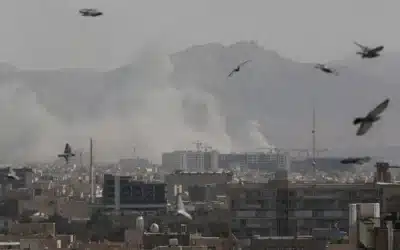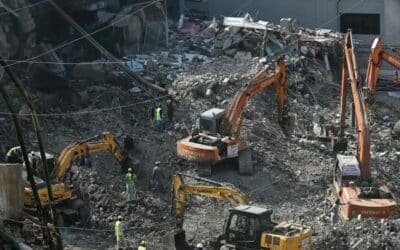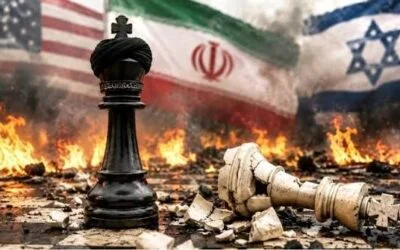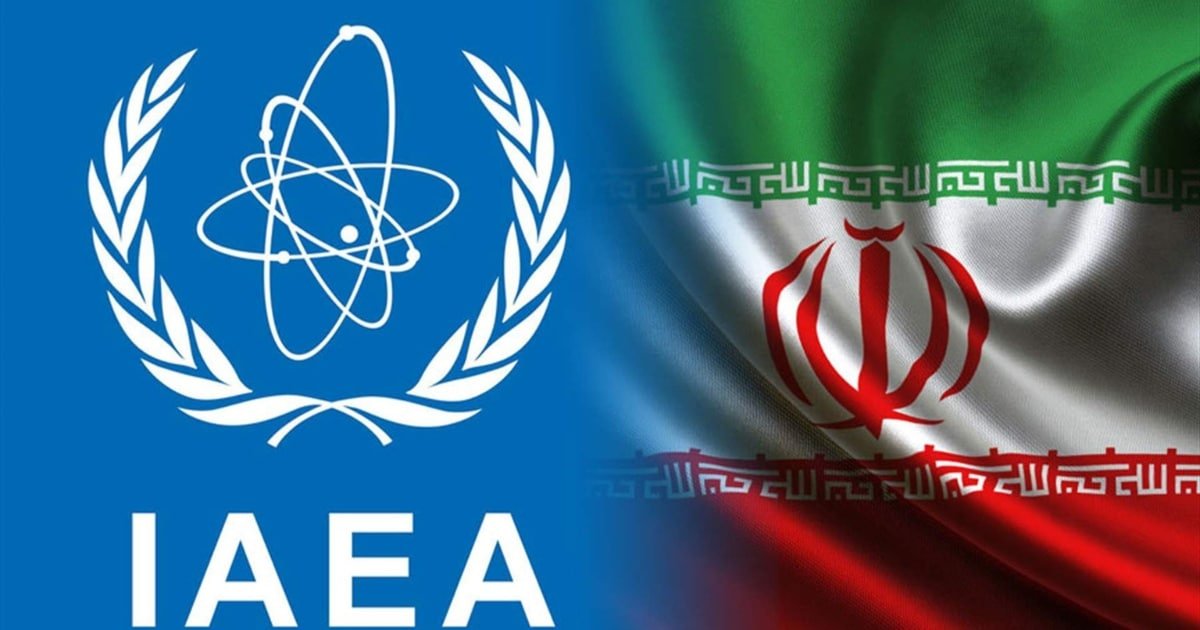



Tehran, Iran – Iran’s Ministry of Foreign Affairs has confirmed the return of inspectors from the International Atomic Energy Agency (IAEA), while clarifying that this does not signify a full resumption of cooperation with the UN nuclear watchdog. The move follows a period of heightened tensions and a suspension of cooperation after a 12-day conflict with Israel, which saw strikes on Iranian nuclear facilities. The Iranian government’s decision to permit the inspectors’ entry has been carefully framed as a limited, technical measure rather than a broader diplomatic breakthrough.
UN nuclear inspectors @IAEA have returned to Iran for the first time since being expelled in July during the Israel-Iran conflict. @SahilV_Shah tells me they need security guarantees from the U.S. that no one will kill scientists or bomb their sites. pic.twitter.com/G12SThh2Ad
— Becky Anderson (@BeckyCNN) August 27, 2025
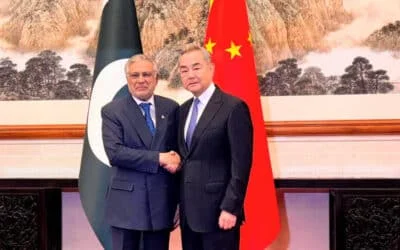
According to Foreign Minister Abbas Araghchi, IAEA inspectors have been granted entry with the consent of Iran’s Supreme National Security Council. However, he emphasized that there is “no final text” yet on a new cooperation framework, and discussions on the matter are still ongoing. A key reason for the inspectors’ return is the immediate need to supervise the changing of fuel at the Bushehr nuclear reactor, a critical maintenance task that requires international oversight under established protocols. This technical necessity is seen by Tehran as the primary motivation for the limited re-engagement with the agency.
The return of the IAEA team, confirmed earlier by IAEA chief Rafael Grossi, comes after a series of talks between Iran and European powers—the United Kingdom, France, and Germany—in Geneva. These discussions are part of a high-stakes diplomatic effort to prevent the reimposition of so-called “snapback” sanctions, a mechanism within the 2015 Joint Comprehensive Plan of Action (JCPOA) nuclear deal that allows for the unilateral re-enforcement of UN sanctions. The European parties to the deal have been threatening to trigger this mechanism, putting significant pressure on Tehran to re-engage on the nuclear file.
Iranian officials have warned that triggering the snapback mechanism would have severe consequences, not only for the nuclear deal but for regional stability. The recent conflict with Israel had previously derailed Iran’s nuclear negotiations with the United States, which had been attempting to rejoin the deal it unilaterally withdrew from in 2018. The pause in cooperation with the IAEA was a direct result of Tehran’s accusation that the watchdog failed to condemn the Israeli and U.S. strikes on its facilities, which Iran views as a violation of international law.
Iran has consistently maintained that its nuclear program is solely for civilian purposes, such as energy production, and has repeatedly denied any ambition to develop nuclear weapons. The recent developments underscore the complex diplomatic tightrope both sides are walking. While the presence of inspectors on the ground is a positive sign for transparency, the lack of a final agreement on full cooperation means the path forward remains uncertain. The talks are expected to continue in the coming days, with the world watching closely to see if a more durable understanding can be reached to manage the nuclear issue and de-escalate tensions in the region.
You May Like To Read: