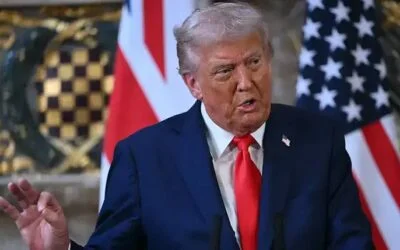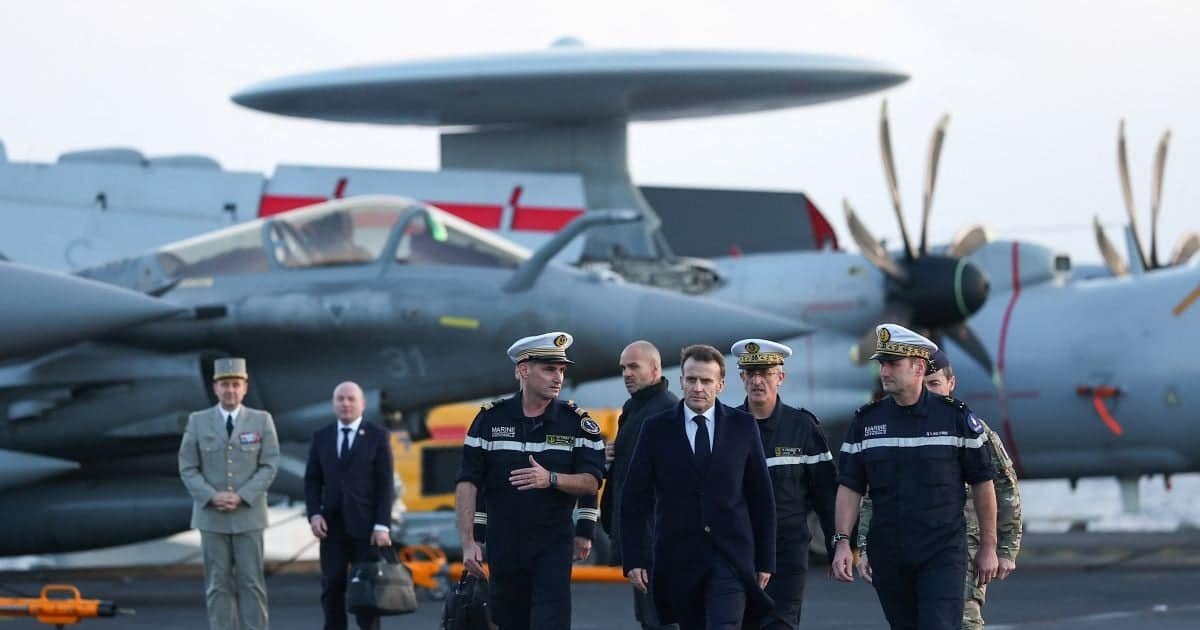





The French Ministry for Europe and Foreign Affairs issued a formal statement on Saturday, March 14, 2026, rejecting reports that it is currently dispatching an aircraft carrier strike group to the Strait of Hormuz. This clarification follows a public call from U.S. President Donald Trump for allied nations, including France, China, and Japan, to send warships to help reopen the strategic waterway. French officials characterized the reports as inaccurate scaremongering, emphasizing that the aircraft carrier Charles de Gaulle and its strike group remain in the Eastern Mediterranean in a defensive and protective posture.
BREAKING:
France has officially rejected Trump’s request, saying it will not send warships to the Strait of Hormuz pic.twitter.com/eam9064Kqj
— Current Report (@Currentreport1) March 15, 2026
The confusion stems from conflicting signals regarding France’s naval strategy in the region. Earlier in the week, President Emmanuel Macron had announced a major naval mobilization involving 10 ships, including frigates and helicopter carriers, to protect merchant vessels across the Red Sea and the Eastern Mediterranean. While Macron indicated a willingness to support maritime security, the Foreign Ministry’s latest response suggests a desire to maintain a distinct, defensive distance from the active U.S. bombing campaign along the Iranian shoreline.
Trump has maintained an aggressive stance, claiming on Truth Social that the U.S. has destroyed 100% of Iran’s military capability while simultaneously acknowledging that “a drone or two” or naval mines could still threaten global energy supplies. His call for a multinational coalition contrasts with his recent criticism of UK Prime Minister Keir Starmer. Trump had previously mocked the UK for declining to participate in the initial strikes that killed Supreme Leader Ali Khamenei, suggesting the U.S. no longer needed allies who join “after we’ve already won.”
You May Like To Read: FBR to Recover Rs100b in Surcharges Amid IMF Negotiations
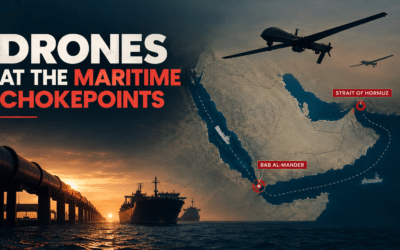
As the Strait of Hormuz remains effectively closed, stalling the passage of 20 million barrels of oil daily, the diplomatic rift between Washington and its European allies persists. While the UK Ministry of Defence confirmed it is discussing security options with partners, Prime Minister Starmer has defended Britain’s right to judge its own national interests. For now, France remains committed to its deployment in the Mediterranean, refusing to transition its strike group into the Persian Gulf despite the escalating “artificial constraint” on global oil flows.
Check out our latest video: