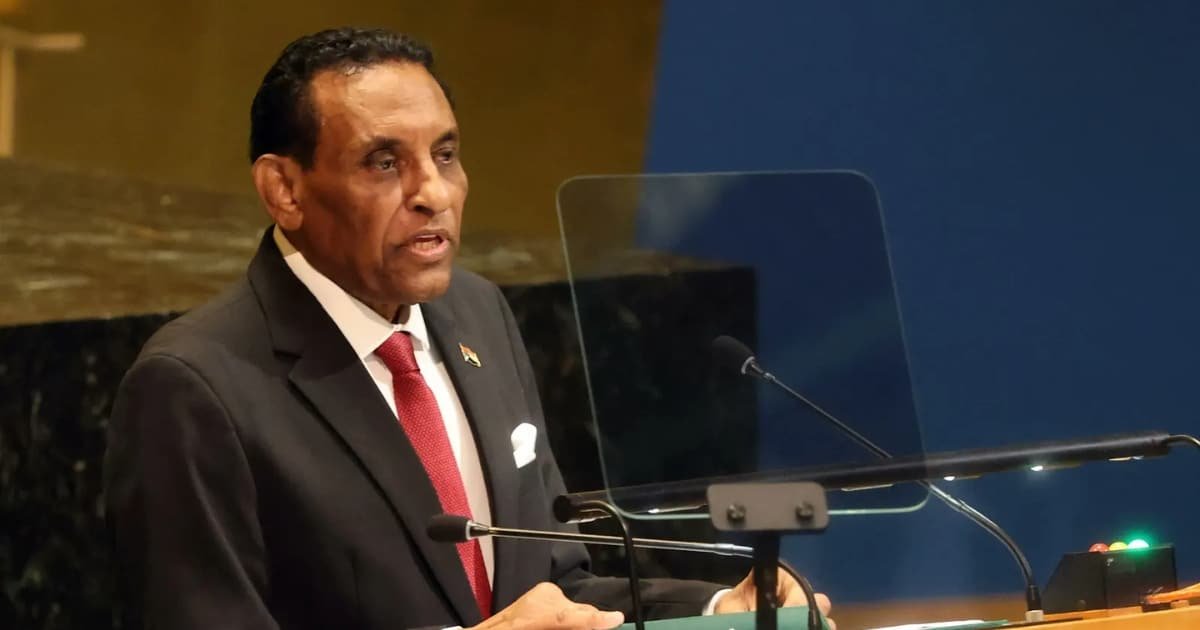



Prime Minister Kamil Idris formally presented a strategic roadmap to the United Nations Security Council (UNSC) on Monday, aimed at terminating the nearly three-year-old war that has devastated Sudan. Challenging the international community to stand “on the right side of history,” the Prime Minister outlined a sovereign initiative designed to restore stability and transition the nation toward democratic governance.
Sudan’s PM has presented a plan to end the country’s nearly three-year war before the UNSC, calling on members to stand “on the right side of history” by backing the initiative https://t.co/MfKTepizB5 pic.twitter.com/gvJ6HNLVR8
— Al Jazeera English (@AJEnglish) December 23, 2025
The “Homemade” Roadmap for Peace
Unlike external frameworks, Prime Minister Idris emphasized that this proposal is a “homemade” solution, developed within Sudan to address the specific roots of the current cycle of violence. The core pillars of the plan include:
- Monitored Ceasefire: An immediate cessation of hostilities to be monitored by a joint mission of the United Nations, African Union, and Arab League.
- RSF Withdrawal and Disarmament: The mandatory withdrawal of Rapid Support Forces (RSF) from all occupied territories and civilian centers.
- Encampment: The placement of RSF personnel into designated camps for formal disarmament and subsequent reintegration of those not implicated in war crimes.
- Political Transition: A transitional period leading to “inter-Sudanese dialogue” and the organization of free, transparent national elections.
A Call for Decisive Action
“It is not about winning a war; it is about ending a cycle of violence that has failed Sudan for decades,” Prime Minister Idris told the 15-member council. He urged the international community to move beyond humanitarian palliatives and support a structural solution that addresses the security vacuum caused by paramilitary activity.
Addressing the Humanitarian Crisis
The Prime Minister’s address comes as fighting intensifies in Kordofan and North Kordofan states. With 14 million people displaced and famine spreading, the government maintains that a permanent peace—facilitated by the RSF’s withdrawal—is the only sustainable way to ensure the delivery of aid to the millions in need.
Addressing concerns regarding the plan’s feasibility, Prime Minister Idris stated on the sidelines of the council meeting: “It is realistic, it is doable, it is possible.”
You May Like To Read: The “Accidental” Crash and the Geopolitical Chessboard: Was General Al-Haddad’s Death a Game-Changer for Libya’s Unification?
Sovereignty vs. Imposed Truces
In a clear distinction from the “Quad-backed” humanitarian proposals, the Sudanese government underscored that lasting peace cannot be imposed from the outside. The Prime Minister’s plan asserts that a three-month temporary truce is insufficient to resolve the underlying power struggle and that only a comprehensive disarmament and transition framework can prevent further state collapse.
Check out our latest video: