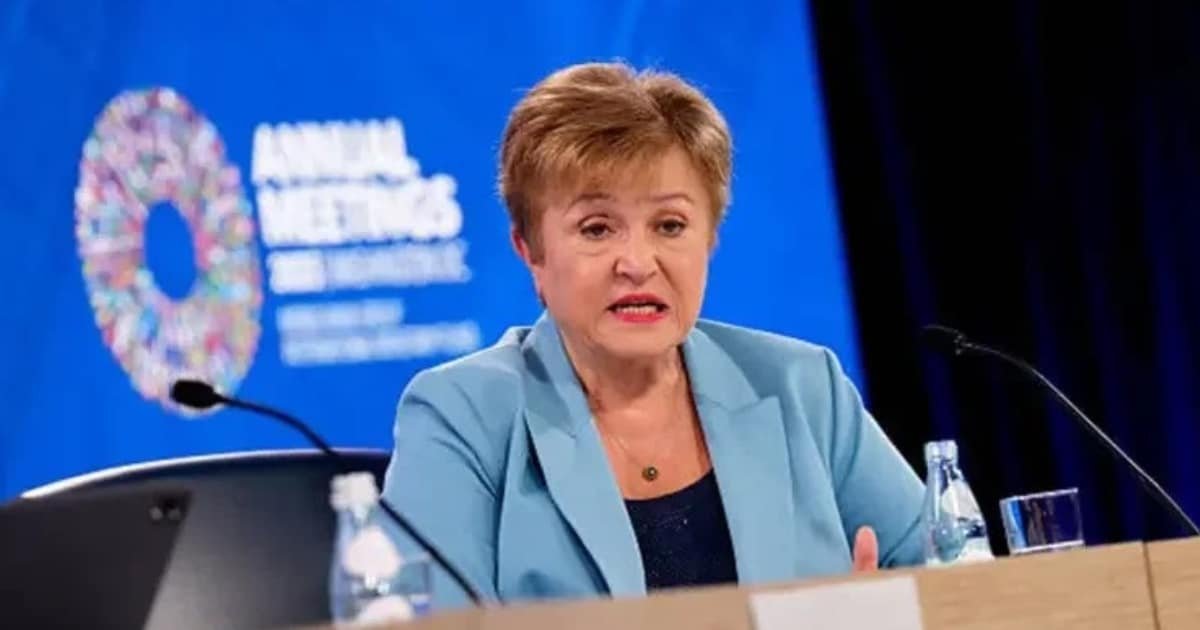





International Monetary Fund (IMF) Managing Director Kristalina Georgieva warned on Tuesday, April 7, 2026, that the intensifying war in the Middle East has created an “unprecedented disruption” that will inevitably lead to higher inflation and slower global growth. Speaking ahead of the IMF’s updated World Economic Outlook due next week, Georgieva noted that the conflict has already slashed global oil supply by roughly 13%. With Iran effectively blocking the Strait of Hormuz, the world is facing a shock more severe than previous energy crises, forcing the IMF to reconsider its earlier projections of a 3.3% global growth rate for 2026. “All roads now lead to higher prices,” Georgieva stated, emphasizing that the economic fallout will linger even if hostilities cease immediately.
Middle East war means ‘all roads’ lead to higher prices, slower growth, IMF chief says https://t.co/h3TTq4XaGP https://t.co/h3TTq4XaGP
— Reuters (@Reuters) April 7, 2026
The impact of the war has been geographically uneven but universally felt, with energy-importing nations suffering most acutely. The International Energy Agency reports that 72 energy facilities have been hit during the conflict, with approximately one-third sustaining significant damage. This includes critical infrastructure in Qatar, where restoration of natural gas capacity could take up to five years. Georgieva highlighted that beyond fuel, the disruption has crippled supply chains for helium and fertilizers, further stoking global food and tech inflation. As World Bank President Ajay Banga prepares to echo these concerns later this week, the IMF is bracing for a world of “elevated uncertainty,” urging nations to remain vigilant against a backdrop of geopolitical tension and climate-related shocks.
You May Like To Read: House Representative Moves to Impeach Defense Secretary Amid Mounting Iran Conflict
Check out our latest video: