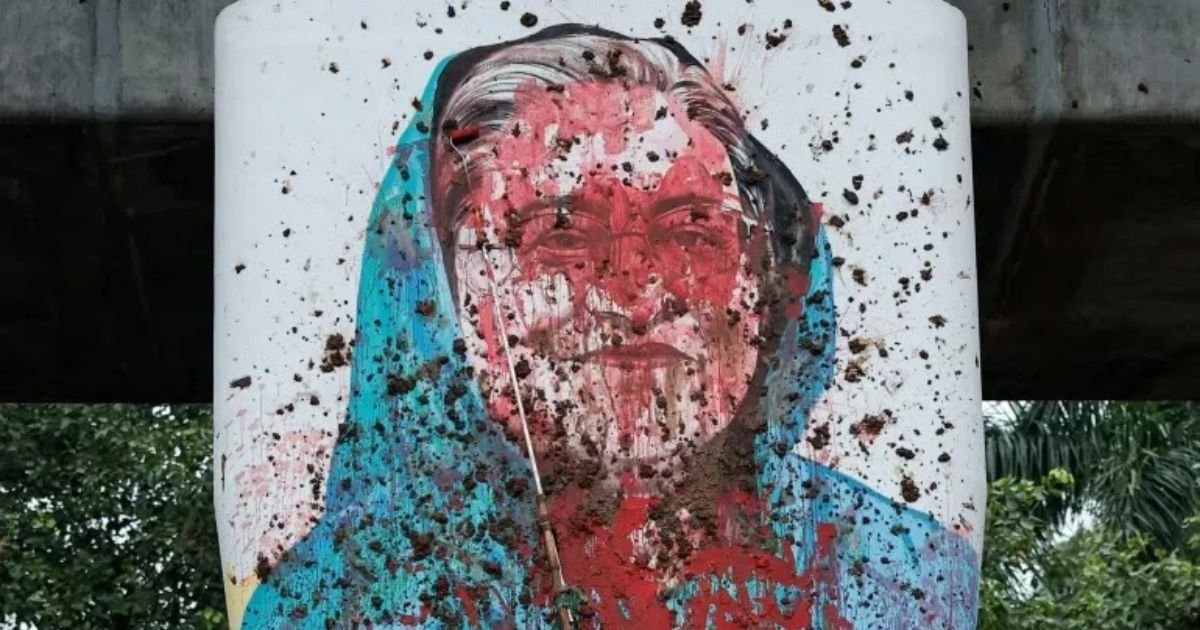





Former Bangladesh Prime Minister Sheikh Hasina, convicted of crimes against humanity and sentenced to death by an International Crimes Tribunal in Dhaka, remains in exile in New Delhi, creating a major diplomatic rift between the two neighbors. Hasina, who fled Dhaka in August 2024 amid mass protests, is currently residing in India, which has repeatedly resisted Bangladesh’s calls for her extradition.
“Nobody’s in any doubt about the crimes that were committed.”
Sreeradha Datta, a professor at OP Jindal Global University, says ex-Bangladesh PM Sheikh Hasina’s death sentence reflects the abuses committed during her rule but says India is unlikely to extradite her. pic.twitter.com/WFjBeq3f37
— Al Jazeera English (@AJEnglish) November 17, 2025
The verdict stems from a deadly crackdown on student protests last year that led to her resignation. While protesters in Dhaka demand her immediate return to face execution, analysts suggest India is highly unlikely to comply. Former Indian High Commissioner to Dhaka, Pinak Ranjan Chakravarty, questioned how New Delhi could “push her towards her death.”
Bangladesh’s Ministry of Foreign Affairs is raising the pressure, citing an existing extradition agreement and calling India’s refusal a “highly unfriendly act.” However, Indian political analysts point to an exception in the treaty for offenses “of a political character.” They view the case as political “vindictiveness” by the current interim government led by Muhammad Yunus, which is perceived by some in New Delhi as anti-India.
Hasina was a long-time and key ally of India, and New Delhi appears cautious about legitimizing a regime seen as potentially hostile. While the frosty relationship is likely to persist, some experts believe India must eventually shift its focus from Hasina and build constructive ties with the new political forces in Dhaka.
You May Like To Read: Trump Rolls Out Red Carpet for MBS, Pushing F-35 Sale and Israel Normalization
Check out our latest video: