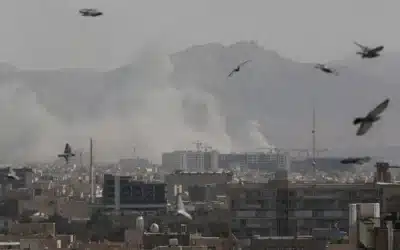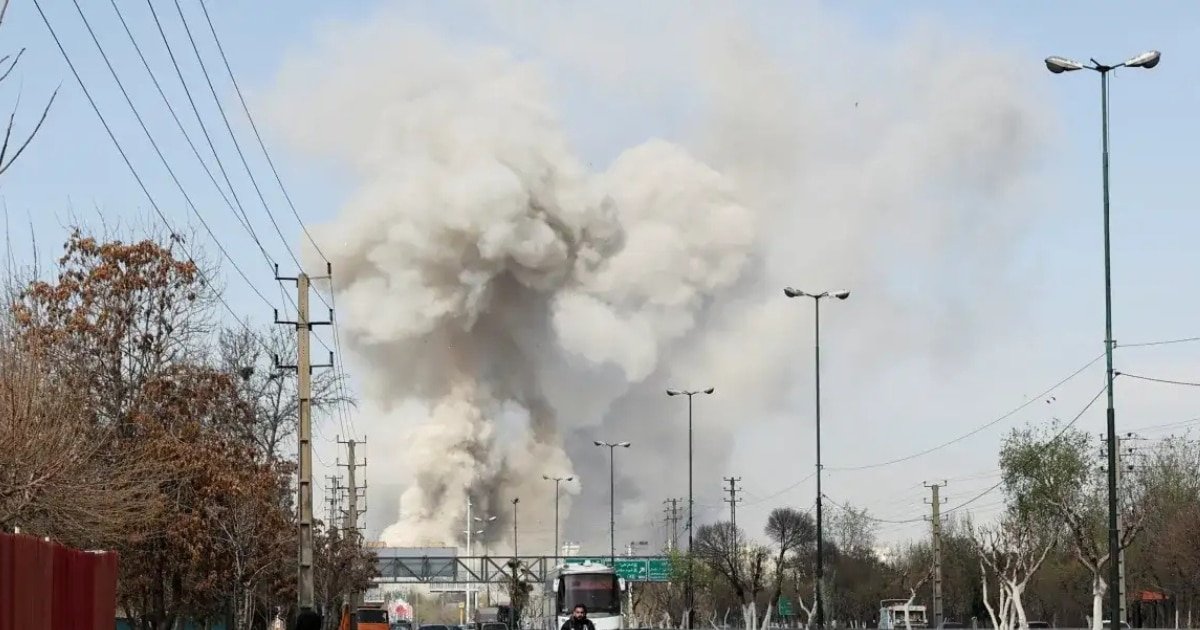



The Iranian Ministry of Foreign Affairs has issued a harrowing documentation of civilian infrastructure damage as the U.S.-Israeli air campaign, Operation Epic Fury, entered its sixth consecutive day of high-intensity bombardment. Iranian authorities allege that the coalition has moved beyond military targets, striking 33 high-profile civilian locations, including a UNESCO World Heritage site and the nation’s largest sports complex.
Iran claims US-Israeli strikes targeted 33 civilian locations nationwide, including hospitals, schools, residential areas, the Tehran Grand Bazaar, and the historic Golestan Palace complex – a UNESCO World Heritage Site.
— in pictures https://t.co/71WuEPZ0h1 pic.twitter.com/H1SP0MDzo8
— Al Jazeera English (@AJEnglish) March 5, 2026
Systematic Strikes on Healthcare and Heritage
According to reports from the Iranian Red Crescent and the World Health Organization (WHO), the humanitarian landscape in Tehran and surrounding provinces is reaching a breaking point:
-
Medical Infrastructure: At least 13 medical facilities have been targeted or damaged by “near-miss” strikes. Notable hospitals including Khatam Hospital, Gandhi Hospital, and the Valiasr Burn Hospital are reportedly inoperable. WHO Director-General Tedros Adhanom Ghebreyesus verified 13 attacks on healthcare in Iran and one in Lebanon, confirming the deaths of four healthcare workers.
-
Cultural Genocide Allegations: Iran claims the historic Golestan Palace complex, a UNESCO World Heritage Site, and the Tehran Grand Bazaar have sustained significant structural damage. The Azadi Stadium, a symbol of Iranian national identity, was also hit in the latest waves of strikes on northern Tehran.
-
Red Crescent Neutrality: Nine Red Crescent centers and four ambulances have been affected, drawing sharp condemnation from international aid organizations regarding the protection of the “Red Crystal” and “Red Crescent” emblems under the Geneva Conventions.
Battle Damage Assessment: Civilian Sector
Data submitted to the International Committee of the Red Cross (ICRC) by Iranian government figures paints a grim picture of the domestic impact:
-
Residential Losses: 3,090 homes have been destroyed or severely damaged.
-
Commercial Impact: 528 commercial centers, including markets and logistics hubs, have been leveled.
-
Casualty Surge: The death toll in Iran has climbed to at least 1,230 since the war began on Saturday. In Tehran, residents describe the northern districts as a “warzone,” with 36-year-old resident Mohammadreza telling reporters, “Today is worse than yesterday… we have nowhere to go.”
Maritime Escalation: The Sinking of Iris Dena
The conflict’s reach extended to the Indian Ocean on Wednesday in a rare deep-sea engagement. A U.S. submarine successfully torpedoed and sank the Iranian frigate Iris Dena near the coast of Sri Lanka.
-
The Toll at Sea: Sri Lankan naval forces, acting as first responders, recovered 87 bodies and rescued 32 survivors from the shark-infested waters. The sinking of a frontline frigate so far from the Persian Gulf highlights the global maritime dimensions of the current hostilities.
You May Like To Read: Government Secures Multiparty Consensus on “Strategic Neutrality” in U.S.–Iran War
Legal and Diplomatic Fallout
The Iranian government has formally submitted documentation of these strikes to the International Criminal Court (ICC) and the ICRC, characterizing the targeting of schools, hospitals, and heritage sites as “undeniable war crimes.” While Israel has confirmed “additional attacks” on Tehran, U.S. officials maintain that all targets are linked to IRGC command, control, and logistical capabilities.
Check out our latest video: