

Iran has once again closed the Strait of Hormuz, just hours after briefly reopening the vital waterway, casting fresh doubt on hopes for a quick end to the US-Israeli war.
Iran’s military command announced on Saturday that control of the strait had returned to its “previous status” and was now under “strict management” of the armed forces. The move came in response to the ongoing US naval blockade of Iranian ports, which Tehran has called a violation of the fragile ceasefire.
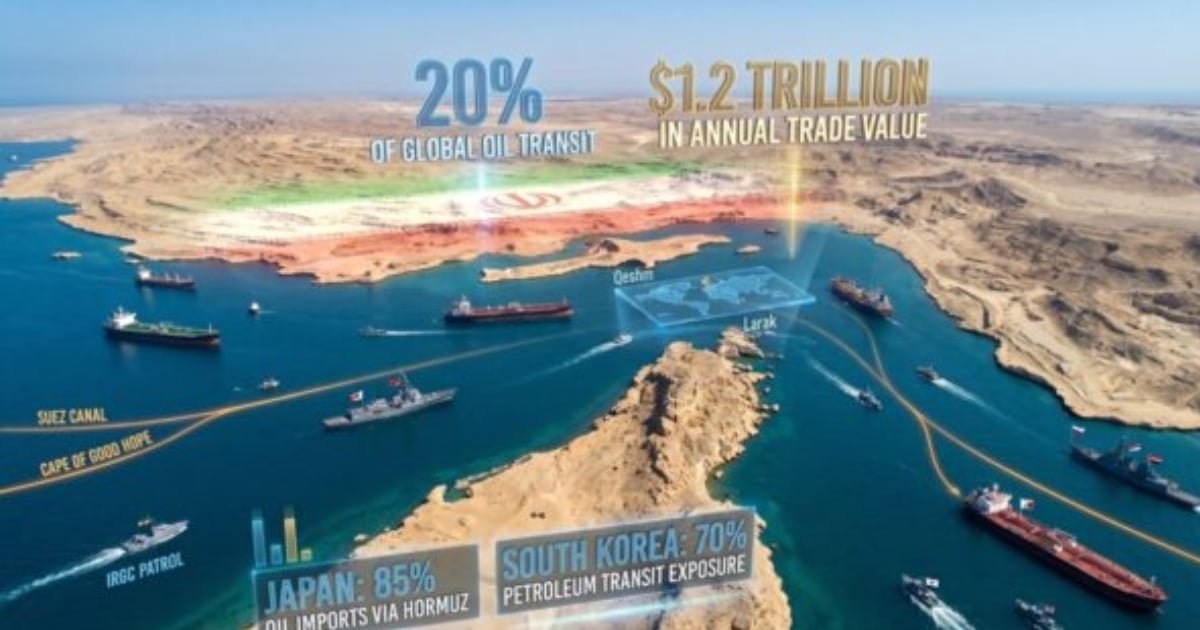
The to-and-fro over the strait — a critical chokepoint carrying roughly one-fifth of the world’s oil and LNG — triggered immediate uncertainty in global energy markets. Earlier on Saturday, more than a dozen commercial ships, including several oil and gas tankers, had managed to cross the waterway, many hugging Iranian territorial waters or broadcasting their nationality (Indian or Chinese) in an apparent bid to signal neutrality.
Iranian parliamentary speaker Mohammad Bagher Ghalibaf warned that as long as the US blockade continues, the strait would not remain open. Foreign Ministry spokesperson Esmaeil Baqaei described the blockade as “a violation of the ceasefire” and vowed an “appropriate response.”
۱- رئیس جمهور آمریکا در یک ساعت هفت ادعا مطرح کرد که هر هفت ادعا کذب است.
۲- با این دروغگوییها در جنگ پیروز نشدند و حتما در مذاکره هم راه به جایی نخواهند برد.
۳- با ادامهٔ محاصره، تنگهٔ هرمز باز نخواهد ماند.— محمدباقر قالیباف | MB Ghalibaf (@mb_ghalibaf) April 17, 2026
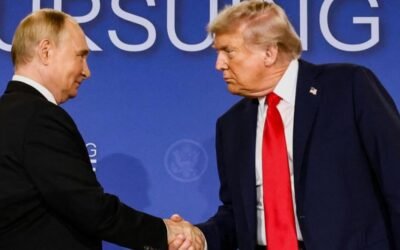
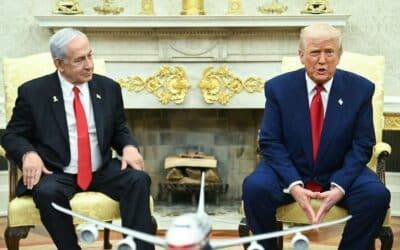
US President Donald Trump, however, maintained an optimistic tone. Speaking on Thursday, he claimed Iran had accepted “almost everything” in the negotiations and suggested a final deal could be reached soon. He also praised Pakistan’s mediation efforts and said he might personally travel to Islamabad if an agreement is signed there.
Despite the blockade, Trump indicated that the current two-week ceasefire — which is set to expire next week — could be extended if progress is made. However, he warned that if no deal is reached, the US would not hesitate to resume military action.
“If you don’t have a deal by Wednesday when the ceasefire ends, will you extend the ceasefire?”@POTUS: “I don’t know. Maybe I won’t extend it — but the blockade is going to remain… Unfortunately, we’ll have to start dropping bombs again.” pic.twitter.com/rhC6ATfezT
— Rapid Response 47 (@RapidResponse47) April 18, 2026
Key sticking points remain, particularly Iran’s nuclear programme, sanctions relief, and control over the Strait of Hormuz. Iran has insisted it will not transfer its enriched uranium stockpile and has rejected what it calls “excessive” US demands.
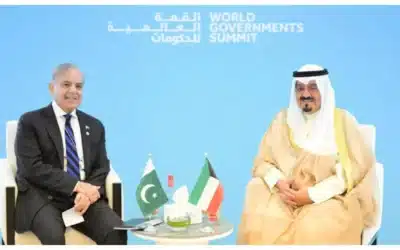
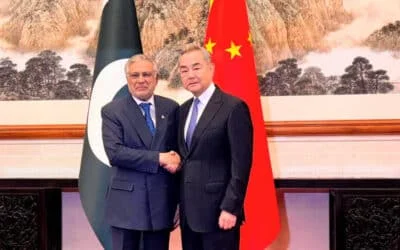
Pakistan continues to play a central mediating role. A Pakistani delegation arrived in Tehran on Wednesday, and officials in Islamabad say efforts are underway to arrange a second round of talks in the coming days.
The situation remains highly volatile. While diplomatic channels are still active, the renewed closure of the strait and the US blockade have raised fears of renewed escalation and further disruption to global energy supplies.
You May Like To Read: UK and France to Lead Shipping Protection Mission in Strait of Hormuz
Check out our latest video: