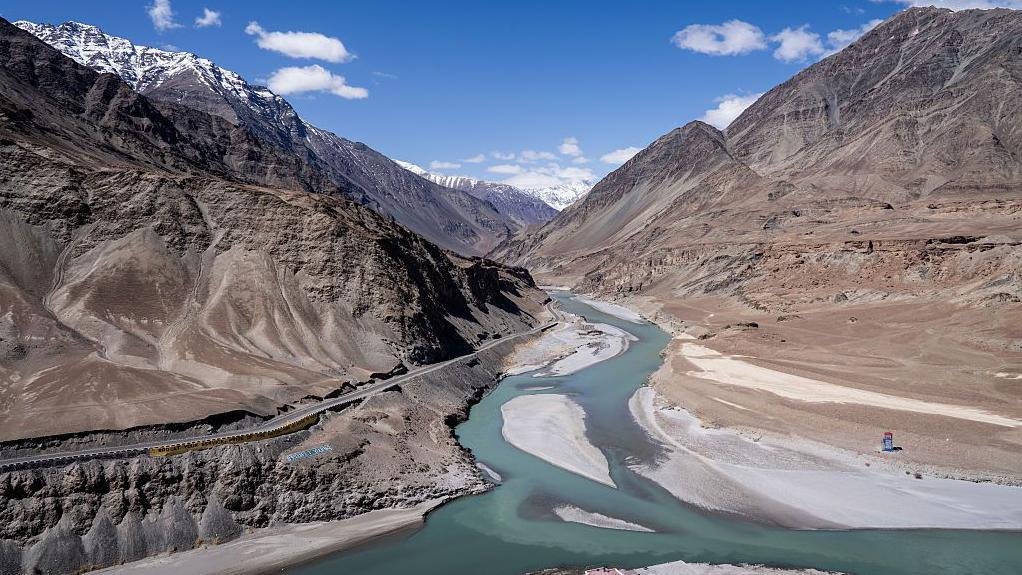





New meteorological data released today by ICIMOD and partner research institutions reveals a critical decline in winter snowfall across the Hindu Kush Himalaya (HKH) region. Experts are warning that “snow droughts”—the significant scarcity of seasonal snow—are becoming the new norm, fundamentally destabilizing the water towers of Asia and endangering the livelihoods of one-fourth of the world’s population.
Himalayas bare and rocky after reduced winter snowfall, scientists warn https://t.co/NsOeJirzmX
— BBC News (World) (@BBCWorld) January 12, 2026
A Crisis of Persistence
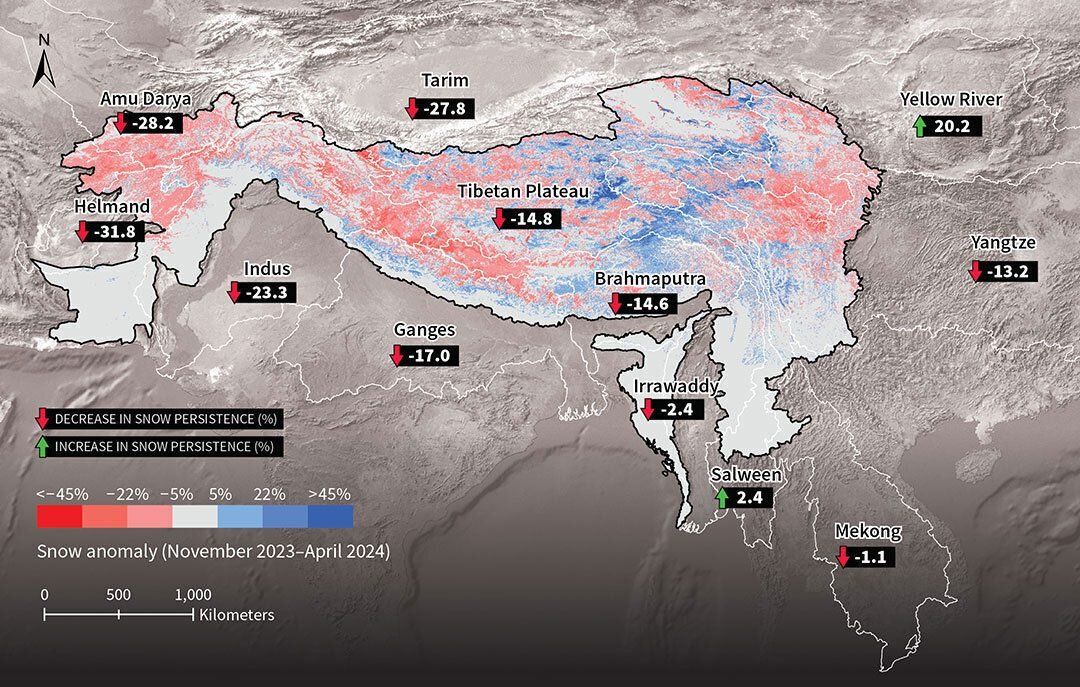
Recent findings from the 2024-2025 winter season indicate a record low in “snow persistence”—the duration snow remains on the ground—which plummeted to nearly 24% below normal. This marks a 23-year low for the region.
“The Himalayas are facing a double crisis,” said Sravan Shrestha, Senior Associate at ICIMOD. “While we have long monitored the rapid retreat of glaciers, we are now seeing a dramatic reduction in the seasonal snow that acts as the primary source for spring runoff. This dwindling snowfall is making a bad situation significantly worse.”
Key Findings from the 2025-2026 Winter Briefing:
- The 86% Deficit: The Indian Meteorological Department forecasts that parts of Northwest India and the territories of Ladakh and Jammu & Kashmir could see up to 86% less precipitation than the Long Period Average (LPA) this season.
- Weakened Westerlies: Scientists at the University of Reading and IIT Jammu point to the weakening and northward shift of “westerly disturbances”—low-pressure systems from the Mediterranean—as the primary cause for the lack of moisture delivery to the range.
- Snow Drought Elevation: Studies confirm that snow is becoming increasingly scarce specifically between 3,000 and 6,000 meters, the critical “feeder zone” for 12 major river basins.
📄📌PRESS RELEASE:
Alarmingly low snow levels this year in Hindu Kush Himalaya threaten water security for hundreds of millions.
2024 – an “extraordinary below normal snow year” according to ICIMOD’s Snow Update Report, and could have devastating consequences for large… pic.twitter.com/IE8aab5GRD
— ICIMOD (@icimod) June 18, 2024
Downstream Implications
The reduction in ice and snow “cement” is destabilizing mountain slopes, leading to an increase in rockfalls, landslides, and glacial lake outburst floods (GLOFs). Beyond the immediate physical hazards, the lack of winter accumulation threatens:
- Water Scarcity: Snowmelt contributes approximately 25% of the total annual runoff for the region’s major rivers.
- Agriculture & Energy: Reduced spring flows will severely impact irrigation for lowland farmers and the capacity of hydropower plants.
- Forest Fires: The lack of winter moisture has left mountain ecosystems tinder-dry, significantly raising the risk of early-season forest fires.
A Call for Regional Action
“Nepal has seen near-zero rainfall since October, and the central Himalayas remain bare and rocky in a season when they should be white,” noted Professor Binod Pokharel of Tribhuvan University.
ICIMOD urges regional governments to accelerate climate adaptation strategies, specifically focusing on water storage and early-warning systems for mountain disasters. As the “Third Pole” continues to warm, the transition from a snow-clad range to a rocky landscape represents one of the most visible and dangerous manifestations of global climate change.