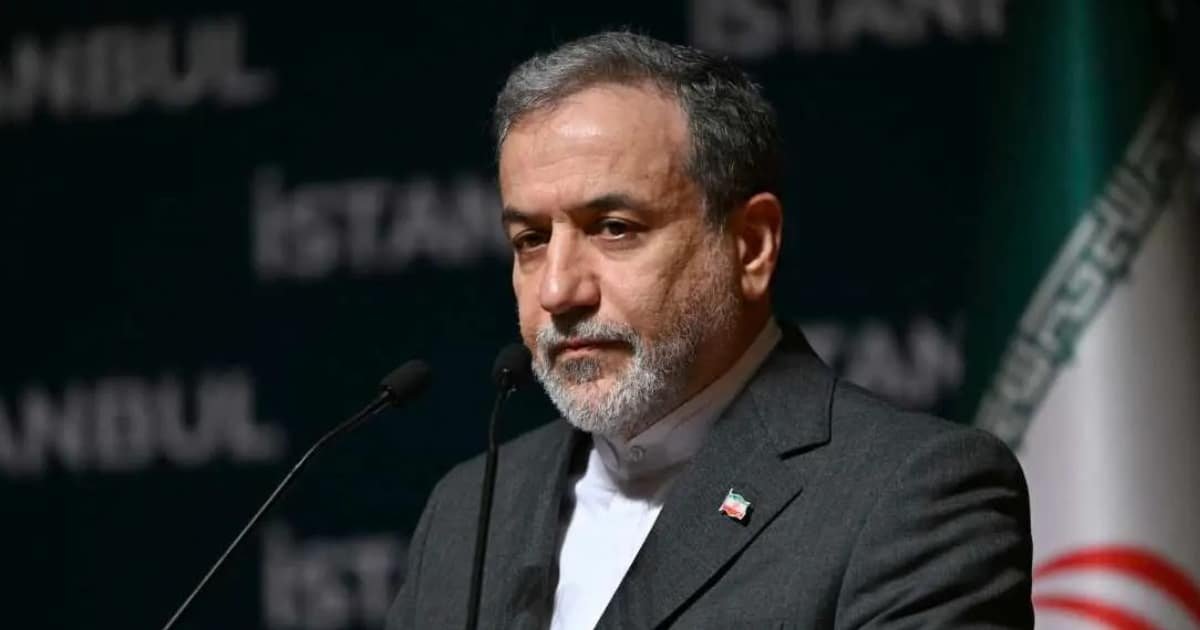



On the eve of what diplomatic circles are calling a “make-or-break” summit, Iranian Foreign Minister Abbas Araghchi declared Tuesday that a comprehensive nuclear agreement is “within reach.” The statement comes just 48 hours before high-level negotiations are set to begin in Geneva, where U.S. envoys Steve Witkoff and Jared Kushner will meet an Iranian delegation to avert a looming military escalation in the Middle East.
1/4 Pillared on the understandings forged in the previous round, Iran will resume talks with the U.S. in Geneva with a determination to achieve a fair and equitable deal—in the shortest possible time.
— Seyed Abbas Araghchi (@araghchi) February 24, 2026
The Geneva Framework: Proposals and Red Lines
The upcoming Thursday talks follow a year of failed indirect negotiations and a devastating military strike last June. This round, however, appears to be underpinned by a concrete Iranian counterproposal:
-
The Uranium Compromise: A senior Iranian official confirmed to Reuters that Tehran is prepared to export 50% of its highly enriched uranium, dilute the remaining stockpile, and join a regional enrichment consortium.
-
The “Peaceful” Right: In exchange, Iran demands formal U.S. recognition of its right to “peaceful nuclear enrichment” and the immediate lifting of crippling economic sanctions.
-
Good Faith Pledges: Deputy Foreign Minister Majid Takht-Ravanchi stated that Iran enters the room with “complete honesty,” vowing that the Islamic Republic will “do whatever it takes” to secure a deal.
Trump Administration’s Stance: Diplomacy vs. Lethal Force
While the White House remains at the negotiating table, it continues to maintain a posture of “Maximum Pressure.”
-
Diplomacy First: Press Secretary Karoline Leavitt reiterated on Tuesday that while President Trump’s “first option” is a diplomatic solution, he remains prepared to use “lethal force” if negotiations stall.
-
Military Buildup: The talks occur against the backdrop of a massive U.S. military mobilization in the region. Washington continues to demand that Iran forgo all domestic uranium enrichment—a condition that has historically been the primary deal-breaker.
- The “Obliteration” Claim: Trump maintains that the June 2025 strikes “obliterated” Iran’s nuclear capabilities, though recent intelligence suggests Tehran has rapidly reconstructed key facilities.
You May Like To Read: Rob Jetten Sworn In as Youngest Dutch Prime Minister
The High-Stakes Gamble
The atmosphere in Geneva remains tense as both sides trade warnings alongside olive branches.
-
Tehran’s Warning: Minister Takht-Ravanchi cautioned that any U.S. or Israeli “aggression” would be met with an immediate response, calling a potential attack a “real gamble” for Washington.
-
The Kushner-Witkoff Factor: The presence of Jared Kushner and Steve Witkoff—two of Trump’s most trusted negotiators—indicates that the administration is seeking a “grand bargain” that transcends simple nuclear caps to include broader regional security.
Check out our latest video: